Syria28 December, 20253 min read
Counter-Demonstrators Kill Three Alawite Protesters in Latakia
Three people were killed during Alawite protests in Latakia. Protests followed a bombing at an Alawite mosque in Homs that killed eight worshippers.
11 outlets told this the same way.
Outlets did split on France Suspends Police Stun Grenades at High School Protests After 15-Year-Old Loses Hand →
Latakia protests and clashes
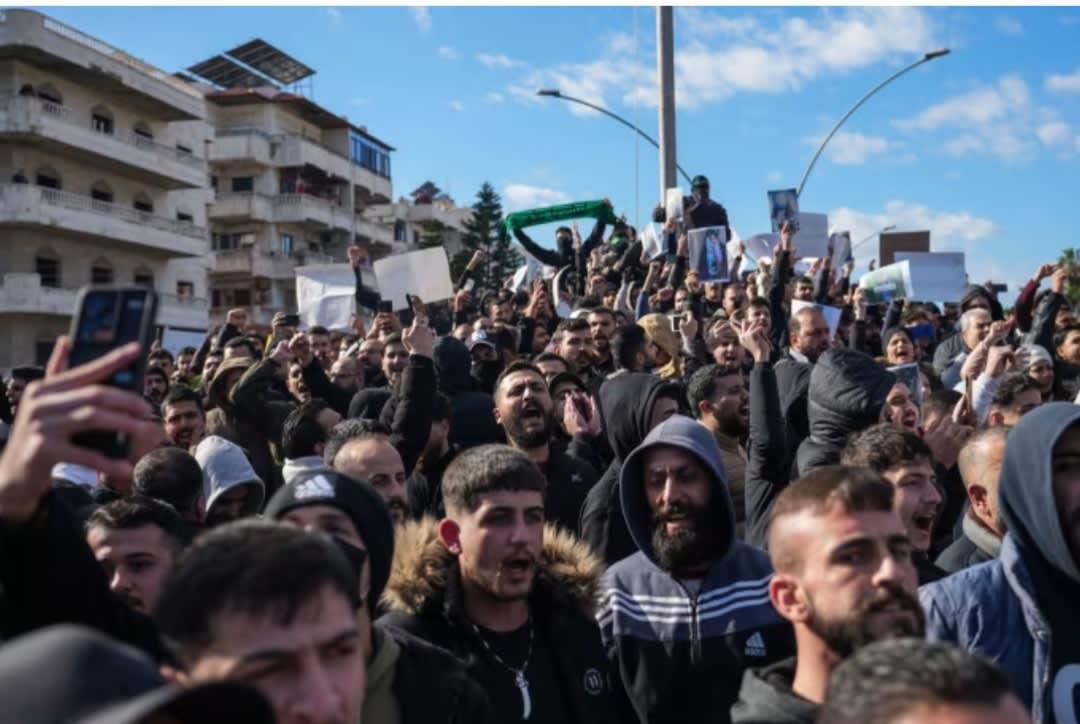
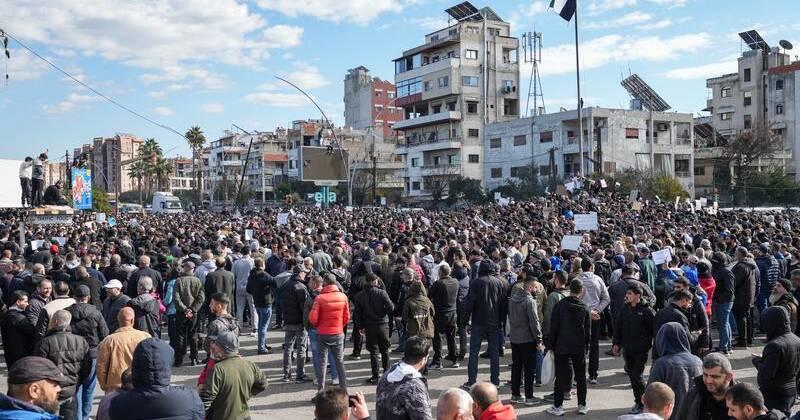
Violent clashes erupted in Latakia's Azhari Square after a large Alawite demonstration demanding decentralization and the release of detainees descended into gunfire and disorder. Reports placed the death toll between three and four people, with dozens wounded. The Daily Times said the protests 'turned violent, leaving at least three people dead and about 60 injured.'
“On December 29, 2025, protests in Syria’s Alawite heartland of Latakia turned violent, leaving at least three people dead and about 60 injured, local officials and journalists said.”
The Camden Haven Courier reported 'Three people were killed and more than 40 wounded.' The Ludlow Advertiser stated clashes 'left at least four people dead, officials say.'
DW linked the unrest to protests that followed a deadly Homs mosque bombing and cited the UK-based SOHR. SOHR reported that Syrian security forces killed three people while trying to disperse protests in Latakia, and authorities said they had 'contained the situation' but did not confirm their forces opened fire.
Homs mosque bombing reports
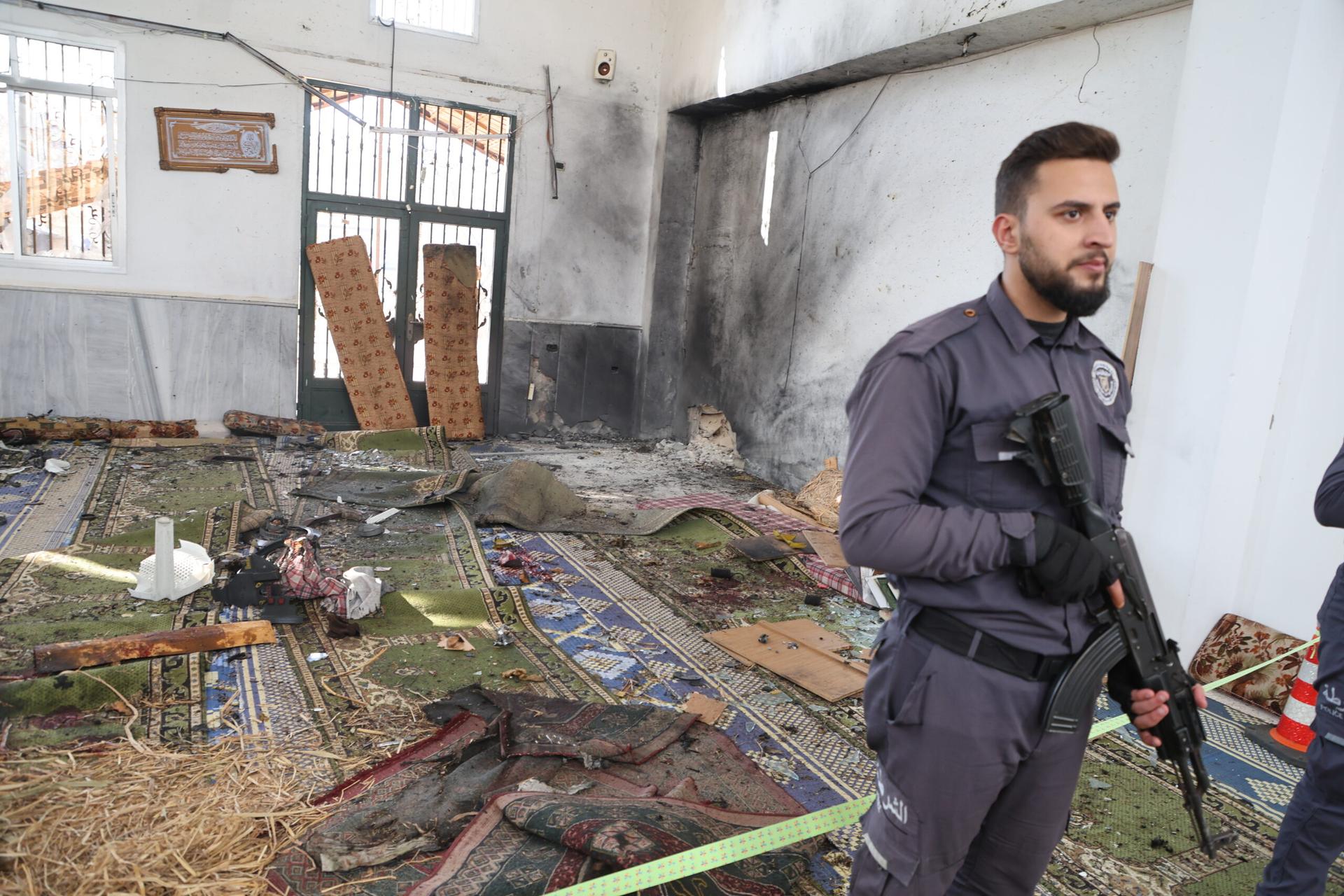
The unrest followed a deadly bombing at an Alawite mosque in Homs, which multiple outlets reported as the immediate trigger. DW said the Homs mosque bombing killed eight people and was claimed by the Sunni extremist group Saraya Ansar al-Sunna. The Ludlow Advertiser likewise reported the mosque blast killed eight and wounded 18, and said preliminary investigations indicate explosive devices were planted inside the Homs mosque.
Roya News and other regional outlets described the attack as one in a string of assaults on Alawites since the fall of Assad. Roya said the mosque attack was claimed by a group calling itself Saraya Ahl al-Sunnah.

Demands and public messaging
Protesters consistently demanded decentralization, regional autonomy or federalism, and the release of detained Alawite men.
“Protests by Alawites followed a recent bombing in Homs, with demonstrators—carrying pictures of a figure named Ghazal and playing a Facebook video message saying ‘We do not want your terrorism. We want to determine our own destiny’—demanding decentralised authority and regional autonomy.”
The New Arab reported demonstrators carrying pictures of a figure named Ghazal and playing a Facebook video message saying, "We do not want your terrorism. We want to determine our own destiny," while demanding decentralized authority and regional autonomy.
Daily Times said thousands gathered to demand a decentralized political system and the release of thousands of Alawite detainees.
Roya News quoted a demonstrator saying, "Our demand is federalism first to protect lives."
Several outlets reported state TV announced that 70 detainees were freed in Latakia as not involved in war crimes.
Coverage of coastal mobilizations
Reports diverge sharply on whether the coastal mobilizations were spontaneous local grievances or organized operations. Al-Jazeera cited observers who argued the demonstrations may have been instigated by Ghazal Ghazal, head of the so-called Higher Alawite Islamic Council, from outside Syria, and quoted researchers who said the movements did not represent the Alawite community or coast residents and were premeditated.
By contrast, DW and Camden presented the demonstrations as called by Alawite leader Ghazal and driven by anger after the Homs bombing, while The New Arab foregrounded protesters' demands and descriptions of targeted killings of Alawites since Assad's fall. These differences affect tone: Al-Jazeera frames the events as possibly destabilizing operations, whereas regional outlets emphasize communal grievance and fear of reprisals.
Alawite casualties and narratives
The broader context and tone vary. Several sources stress a pattern of sectarian violence and heavy losses among Alawites since Assad's fall, with The New Arab and Roya citing a national inquiry and committee record of at least 1,426 Alawite deaths in earlier massacres. DW likewise warned that the violence underscores ongoing targeting of the Alawite minority.
“It recalls a March coastal massacre that a national inquiry put at least 1,426 Alawite deaths, later protests against attacks on Alawites, and recent arrests in former Assad strongholds.”
State media and officials condemned the Homs mosque attack and vowed accountability but have not reported any arrests. Some reports said a security member was killed by armed remnants of the former regime, illustrating competing narratives about perpetrators and victims across outlets.
