Crime20 February, 20262 min read
Court Convicts Austrian Climber Thomas P. of Manslaughter After He Left Girlfriend to Freeze to Death on Grossglockner
This article is an automated aggregation of coverage from news outlets. Our editorials offer in-depth analysis curated by the NewsCord team.
Court convicted Thomas P of gross negligent manslaughter over his girlfriend's death Court sentenced Thomas P to a five-month suspended prison term and €9,600 fine

12 outlets told this the same way.
Großglockner climbing death case
An Innsbruck state court has convicted an amateur climber identified in court reports as Thomas P. of gross-negligence manslaughter after his 33‑year‑old girlfriend, Kerstin G., froze to death during a January 2025 climb on Austria’s highest peak, the Großglockner. The one-day trial ended with a five-month suspended prison sentence and a fine (reported variously as €9,600 or €9,400). The defendant’s name was not formally published under local privacy rules.
“An Austrian climber, identified only as Thomas P under Austrian privacy rules, has been found guilty of gross negligent manslaughter over the death of his girlfriend, Kerstin G, who froze to death of hypothermia during a January 2025 climb on the Grossglockner. He was given a five‑month suspended sentence and fined €9,600; he is appealing the verdict.”
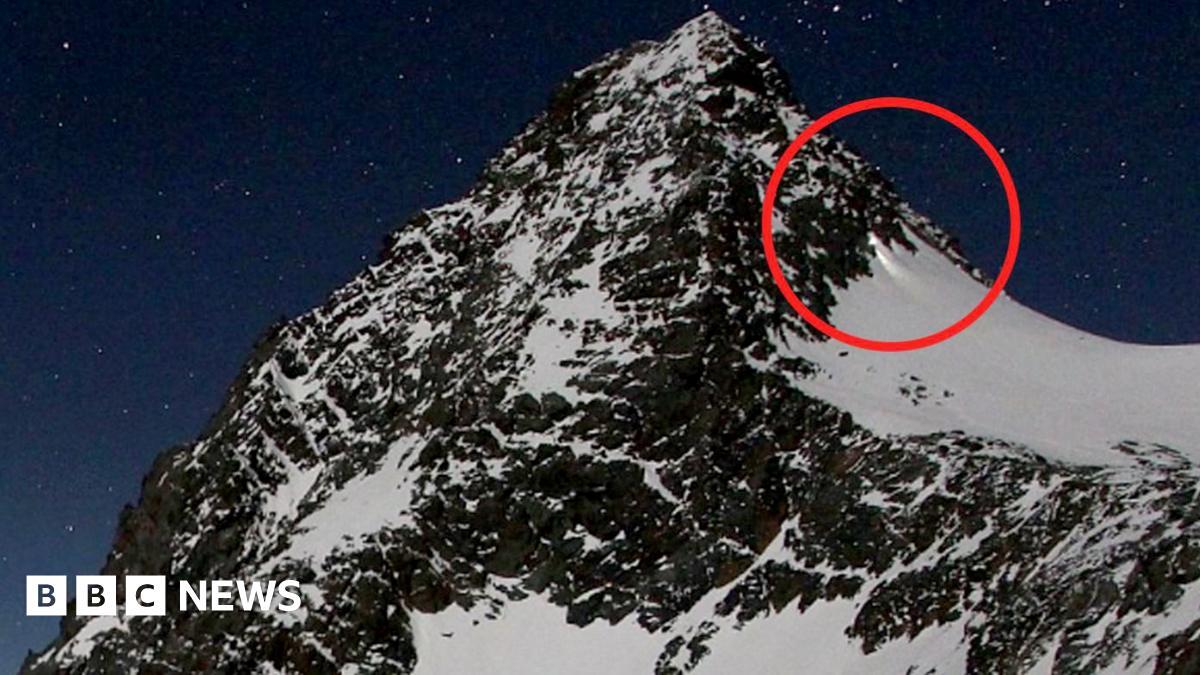
Prosecutors said the woman became exhausted around 50 metres below the summit and died after he left her to seek help. The defendant pleaded not guilty and has appealed.

Alleged climbing negligence
Prosecutors portrayed the defendant as the more experienced climber and de facto tour leader who failed to recognise or act on his partner’s deteriorating condition. Court reports say the woman stopped roughly 50 metres below the summit as night fell, became exhausted and hypothermic, and was left exposed; rescuers later found her with gloves off and boots open. Prosecutors also pointed to errors including a late start, not signalling a police helicopter, a brief unclear call to mountain police and failing to use an emergency blanket or bivouac bag which remained in her rucksack.
Climbing negligence hearing
Evidence cited at the hearing included smartwatch performance data showing a drop in the climbers' performance well before they were monitored by a police helicopter. The hearing also cited a police call record, witness testimony and social-media material. A former partner testified she had previously been left on the Grossglockner in 2023.
“Expert analysis of smartwatch data showed a clear drop in both climbers’ performance well before a police helicopter monitored them.”
The judge — Norbert Hofer, himself active in mountain rescue — said negligence was found but he did not view the defendant as a murderer. Experts told some outlets the case could set a precedent for liability in mountain sports.
Media coverage of case
The defence pleaded not guilty and said the decisions were mutual. The defendant expressed remorse in court, while his lawyer described the death as a 'tragic accident' in some reports. The judge and several outlets noted mitigating circumstances, including the defendant's previously clean record and his personal loss, and the defendant has appealed.
Coverage shows sharp differences in tone: tabloids emphasise lurid detail and a fuller name, while mainstream outlets stress legal standards, evidence and precedent. Sources cited include Sky News, The Guardian, Daily Mail, BBC and SSBCrack News.
Reporting inconsistencies
Reporting across outlets shows factual inconsistencies and different emphases that readers should note. Name and age vary between reports — some use Thomas P., Thomas Plamberger, or Alexander Plamberger, and ages are given as either 37 or 39. Reported fine amounts differ, cited as €9,400 versus €9,600 or dollar equivalents.
“Austrian climber Thomas Plamberger, 39, has been found guilty of manslaughter for leaving his girlfriend, Kerstin Gurtner, 33, to die on the Grossglockner last January.”
Some outlets add weather and timing details while others concentrate on legal precedent. These variations reflect source type: tabloids supply fuller names and dramatic detail, Western mainstream outlets stress legal evidence and restraint on naming, and regional outlets highlight the judge’s rescue background and social-media context. Where the sources conflict or are unclear, the reporting should be treated as divergent rather than definitive.