Crime16 December, 20252 min read
Court Jails Paul Doyle 21½ Years for Ploughing Car Into Liverpool Fans, Injuring More Than 130
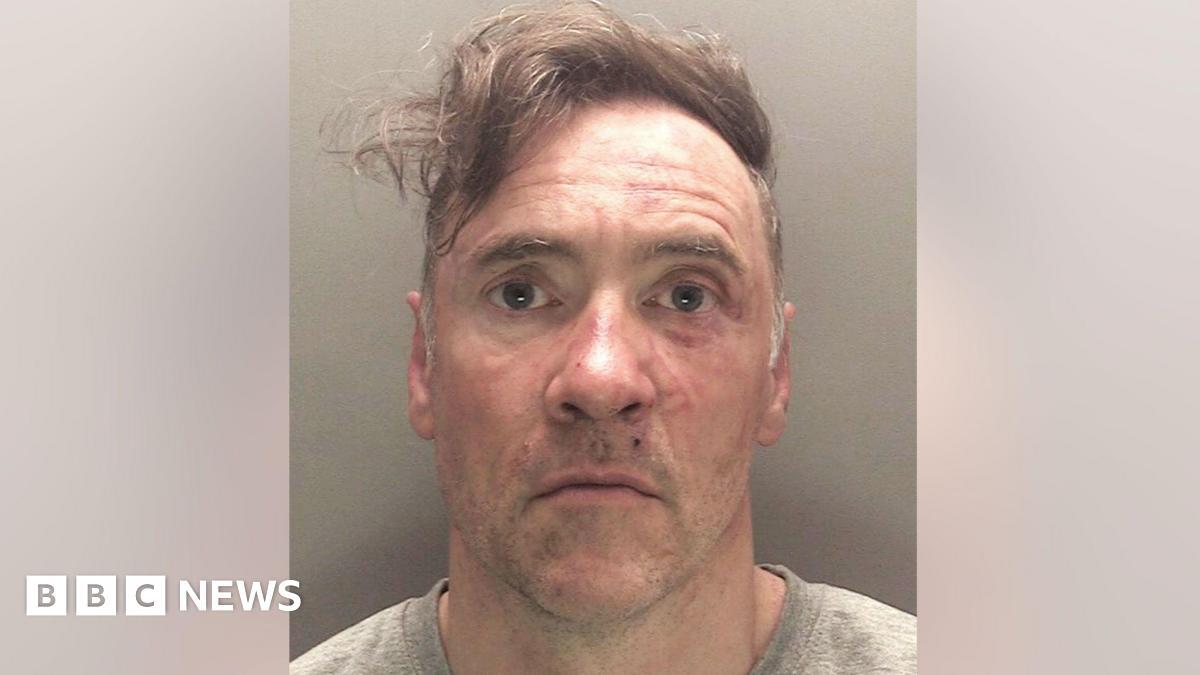
Paul Doyle drove his car into Liverpool's victory parade, injuring more than 130 people. Doyle pleaded guilty to multiple charges and was jailed for 21 years and six months.

10 outlets told this the same way.
Liverpool parade vehicle attack
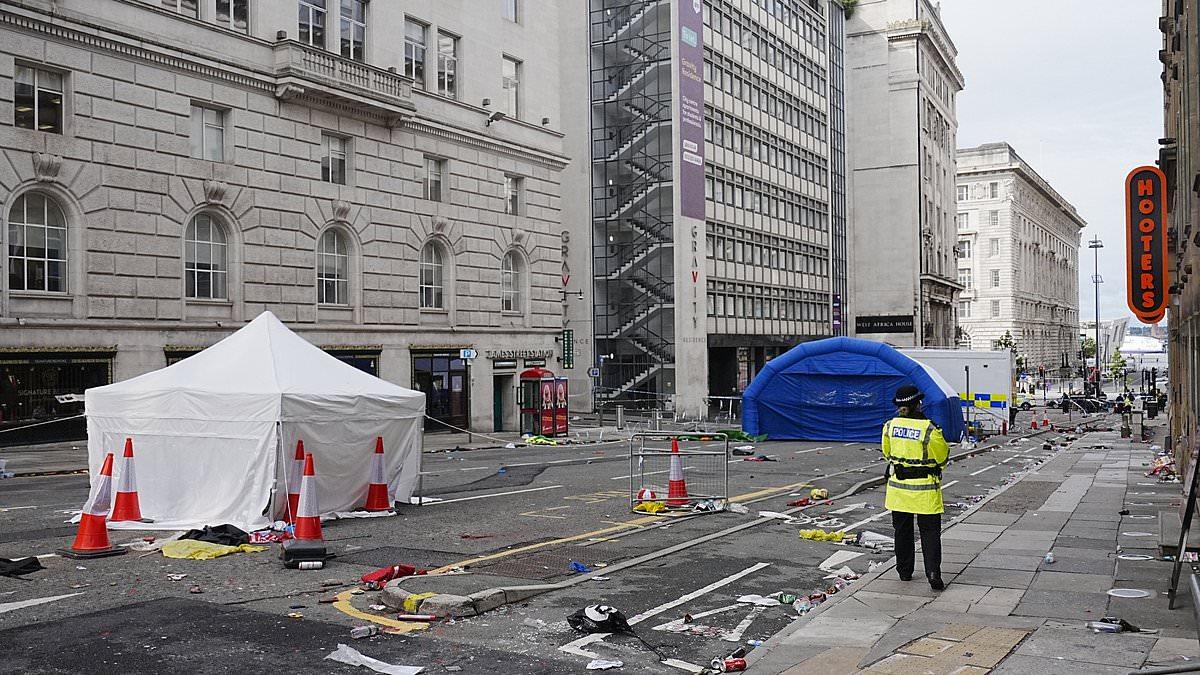
Paul Doyle, 54, has been jailed for 21 years and six months after driving his Ford Galaxy into crowds at Liverpool FC's victory parade on 26 May. Reports vary, but well over 100 people were injured, with totals given between 'more than 100' and 134. Doyle pleaded guilty to 31 offences, including causing and attempting to cause grievous bodily harm, dangerous driving and affray, after dashcam and CCTV footage shown in court captured him shouting as the vehicle struck pedestrians.
“A British man who drove into a crowd of Liverpool football fans during the club’s May title parade, injuring more than 130 people, was jailed for 21½ years after admitting 31 criminal charges.”
Courtroom footage and victim statements described chaotic scenes with people knocked down, a pram hurled and bystanders shielding children. The sentencing judge delivered a lengthy condemnation of Doyle's conduct as near-unimaginable and devastating for victims and their families.
Doyle attack and sentencing
Court documents and reporting list the formal offences Doyle admitted and the prosecution’s account of his intent. He pleaded guilty to 31 offences, including dangerous driving, affray, 17 counts of attempting to cause grievous bodily harm with intent, nine counts of causing grievous bodily harm with intent, and three counts of wounding with intent. Prosecutors said he used the vehicle as a weapon.
Sentencing coverage states the attack lasted roughly one to two minutes. Doyle wept in court and told officers, 'I've just ruined my family's life.'
Victim testimony and impact
Victims' testimony presented to the court described lasting physical and psychological harm. Sky News reported that 78 people submitted victim statements describing frequent flashbacks, sleeplessness and anxiety. Several outlets detailed traumatic images of a pram overturned and children struck.
“In total 78 people submitted victim statements reporting physical, emotional and psychological harm—frequent flashbacks, sleeplessness and lasting anxiety.”
Radio News Hub and the Irish Examiner highlighted that six-month-old Teddy Eveson was thrown about 15 feet in his pram. BBC and other reports said the baby was uninjured despite initial fears. GMA quoted a victim, Anna Bilonozhenko, who said she had lost the sense of safety she had hoped to find after the war, underlining the wider human impact.
Passerby intervention halts attack
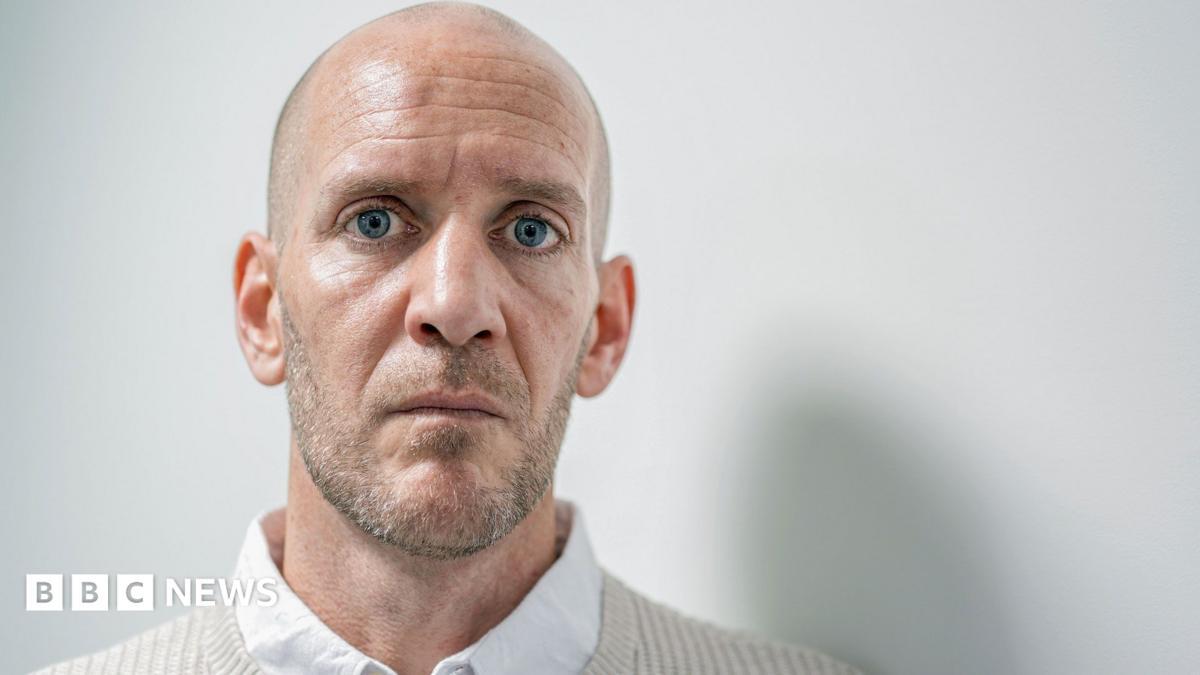
Members of the public and at least one passerby intervened as the car drove through crowds. Multiple outlets identify a man named Daniel or Dan Barr, described in reports as a former Royal Engineers soldier or ex-soldier, who climbed into Doyle's vehicle and helped stop it, with witnesses and the court praising his actions.
Coverage varies on the exact manoeuvre; some accounts say he entered through the rear door, others that he climbed into the back, put the car into park, or moved into the passenger seat. All accounts credit his intervention with helping end the attack.
Media and legal responses
Judges, prosecutors and reporting sources framed the attack in strong terms, with some using phrases such as "inexplicable and undiluted fury" and "almost impossible to comprehend," or saying Doyle used the vehicle "as a weapon." Coverage also notes legal follow-up for victims, with authorities and victim lawyers saying specialist support and rehabilitation would be provided in the months and years ahead, and many outlets praising emergency services and bystanders who helped at the scene. Reporting styles vary between outlets that emphasize prosecutorial condemnation and those that also record Doyle’s own emotional displays and claims of panic.
“The sentencing judge described Doyle’s actions as ‘inexplicable and undiluted fury’ that caused ‘horror and devastation.’”