Crime18 December, 20252 min read
Court Sentences French Anaesthetist Frédéric Péchier to Life for Poisoning 30 Patients and Murdering 12
Frédéric Péchier convicted, sentenced to life for poisoning 30 patients, resulting in 12 deaths He contaminated IV infusion bags at two Besançon clinics, causing cardiac arrests and heavy hemorrhages
22 outlets told this the same way.
French doctor poisoning case
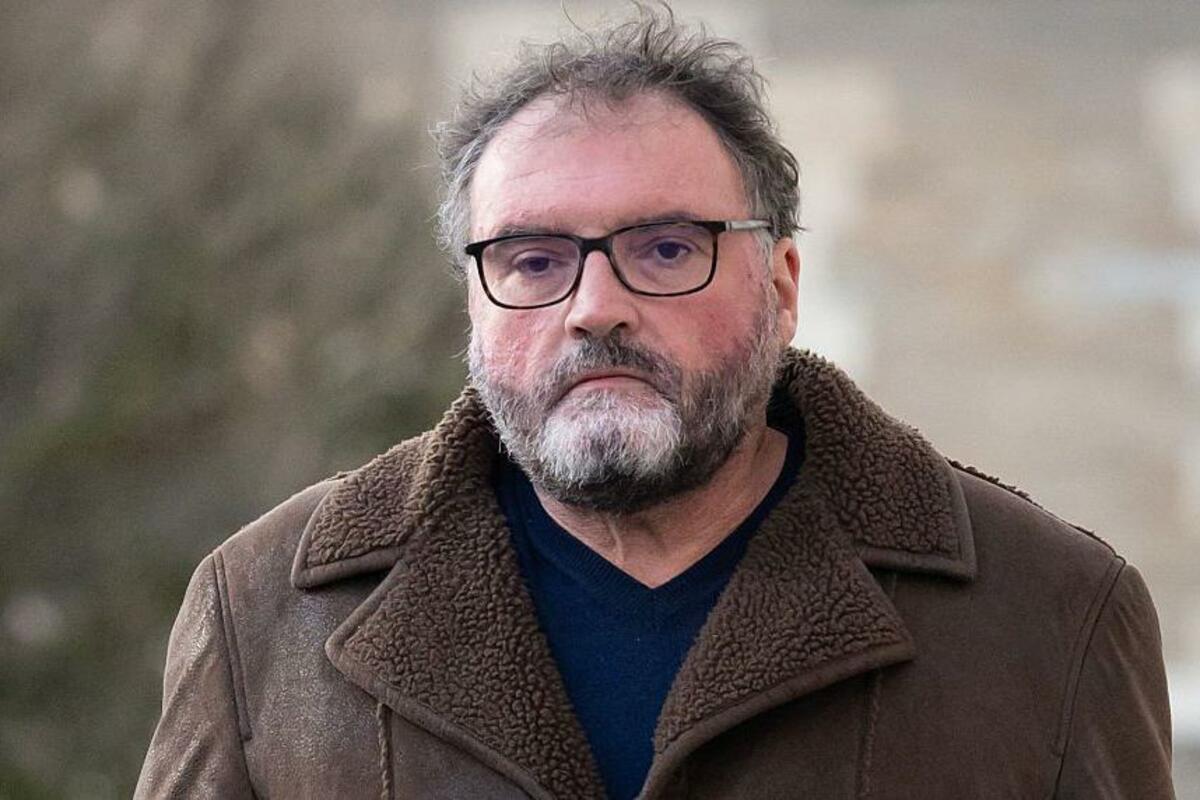
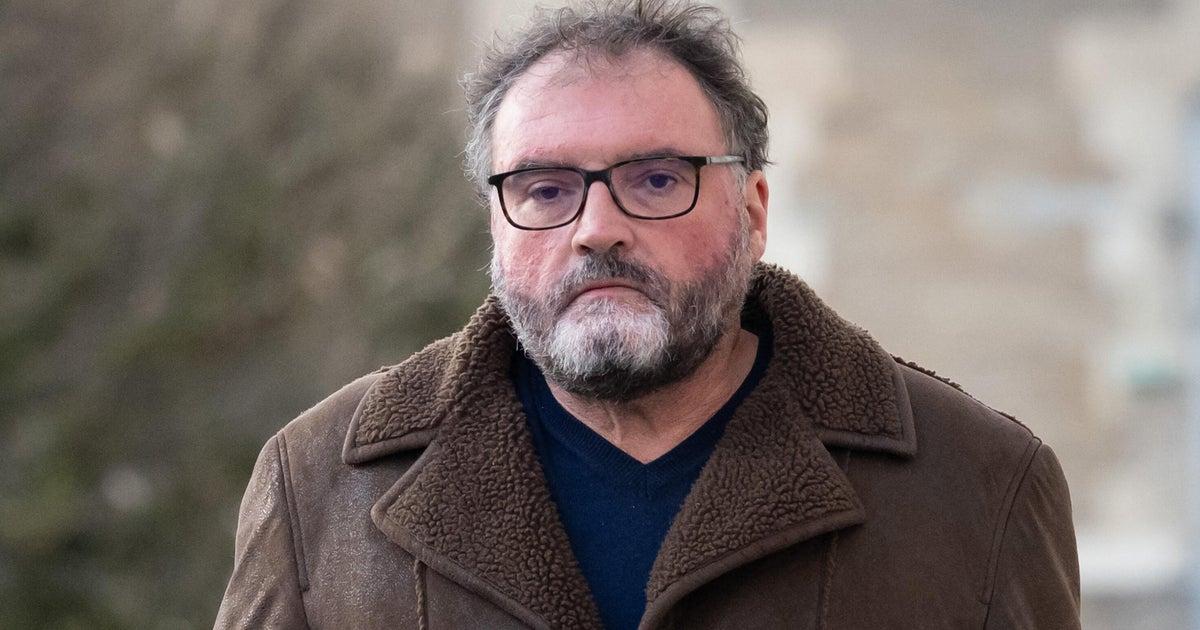
A French court in Besançon on Dec. 18, 2025, sentenced former anaesthetist Frédéric Péchier, 53, to life imprisonment.
“A French court on Dec. 18, 2025 sentenced anesthetist Frédéric Pechier, 53, to life in prison for poisoning 30 patients at two clinics in Besançon between 2008 and 2017; 12 of the victims died.”
He was found guilty of intentionally poisoning 30 patients between 2008 and 2017; twelve of those victims died and others were severely harmed.

Reports place the attacks at two private clinics in eastern France and say victims ranged in age from a four-year-old child to 89.
The conviction followed a multi-month trial that heard technical medical testimony and emotional accounts from victims and families.
Péchier denies being the poisoner and has the right to appeal.
Alleged medical contamination
Court and forensic findings reported across outlets say Péchier contaminated infusion and IV fluid bags and anaesthetic equipment with foreign chemicals, leading to sudden cardiac arrests and severe hemorrhaging in many cases. Several reports list substances reportedly used to induce arrests or bleeding, including potassium, local anaesthetics, adrenaline, and anticoagulants. Forensic and toxicological tests are described as identifying deliberate tampering that was incompatible with standard practice.
Allegations in medical trial
Prosecutors at trial portrayed Péchier’s acts as deliberate and premeditated, driven by motives that included discrediting colleagues, inflicting psychological harm and feeding a 'thirst for power'. Several reports say he sometimes allegedly poisoned patients of rivals and then intervened to resuscitate them to conceal his actions, a detail prosecutors presented as evidence of calculated behaviour. Péchier has repeatedly denied the charges, with defence lawyers arguing some incidents could be medical errors and announcing plans to appeal.
“They said his motive was to harm and ‘psychologically damage’ rival healthcare workers and ‘feed his thirst for power.’”
Trial coverage and survivor accounts
Victim testimony and family accounts were featured throughout coverage. A recurring survivor cited by multiple outlets is a four-year-old boy, called Teddy in some reports, who suffered two cardiac arrests during a routine tonsil operation in 2016.
He survived but continues to suffer long-term effects. Outlets note the trial included both technical medical evidence and emotional accounts, and judges and prosecutors were quoted describing the crimes as among the most disturbing in recent French history.
Sentencing and media coverage
Reports differ on sentencing details and the legal aftermath. Multiple outlets say Péchier received a life sentence and note a French statutory or specified minimum term of 22 years before parole can be considered.
“A French court on Dec. 18 sentenced former anesthetist Frédéric Pechier to life in prison (with a minimum term of 22 years) after convicting him of murdering 12 patients over nearly 10 years by administering substances that caused cardiac arrest or fatal haemorrhages.”
Several reports say he has 10 days to appeal. Coverage also diverges on peripheral points, including whether he was free on bail during parts of the proceedings and the use of dramatic labels like "Doctor Death" or comparisons to other serial medical killers in tabloid and local commentary.