Protests26 September, 20252 min read
Cuba Confirms Death of Fugitive Activist Assata Shakur at 78
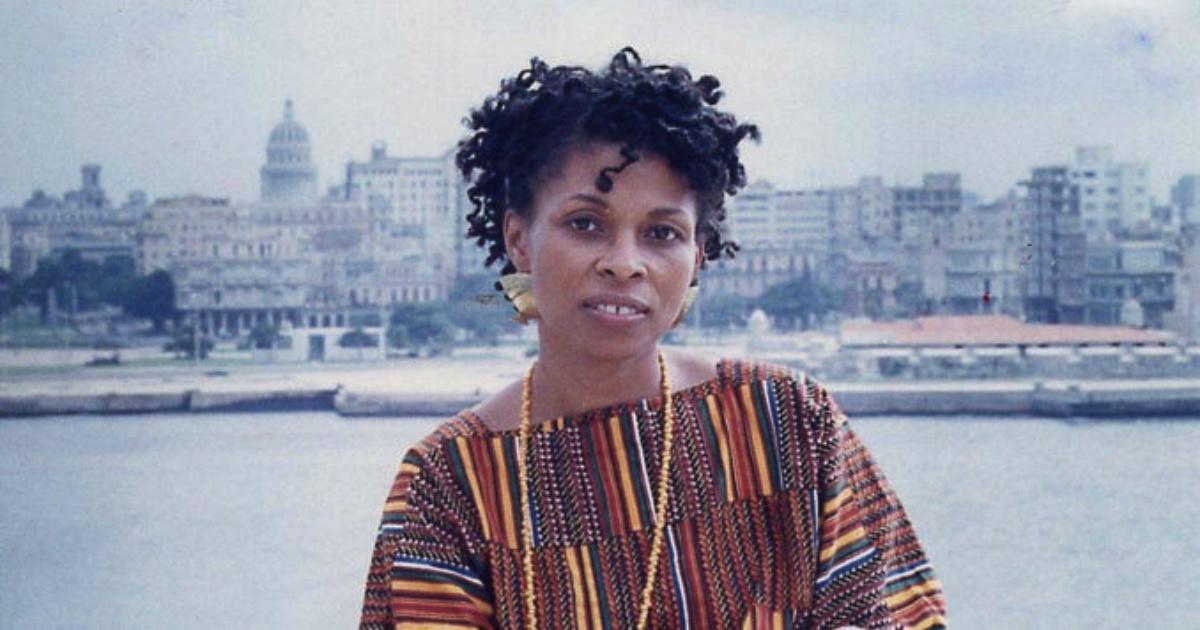
Assata Shakur died at age 78 in Havana, Cuba, from health issues and advanced age. She escaped a U.S. prison in 1979 where she was serving life for a 1973 state trooper's murder.

50 outlets told this the same way.
Outlets did split on France Suspends Police Stun Grenades at High School Protests After 15-Year-Old Loses Hand →
Assata Shakur's Life and Death
Assata Shakur, a former member of the Black Liberation Army and a prominent figure in the Black Power movement, has died at the age of 78 in Havana, Cuba. Shakur, born Joanne Deborah Chesimard, was convicted in 1977 for the murder of a New Jersey state trooper during a 1973 shootout, a charge she consistently denied.
“Assata Shakur, a former Black Liberation Army member and fugitive with a $2 million FBI reward, has died at age 78 in Havana, Cuba, where she had political asylum.”
After escaping from a U.S. prison in 1979 with the help of the Black Liberation Army, she fled to Cuba where she was granted political asylum by Fidel Castro in 1984. Her death was confirmed by the Cuban Ministry of Foreign Affairs and her daughter, Kakuya Shakur, marking the end of a life that was both celebrated and controversial.
Shakur Extradition Dispute
Shakur's life and legacy have been a source of significant tension between the United States and Cuba. The U.S. government repeatedly sought her extradition, labeling her a terrorist and placing her on the FBI's Most Wanted Terrorists list in 2013, with a $2 million reward for her capture.
Despite these efforts, Cuba refused to extradite her, citing her political asylum status and condemning U.S. demands as interference. This refusal was a point of contention, particularly during the Trump administration, which intensified calls for her return to the U.S. to face justice.

Assata Shakur's Cultural Impact
Shakur's influence extended beyond her legal battles and political asylum. She became a cultural icon, particularly within the Black liberation movement. Her autobiography, "Assata: An Autobiography," remains a seminal work in revolutionary literature.
“While in Cuba, Shakur authored books, appeared in a documentary, and taunted U.S. efforts to extradite her.”
Her life story has inspired numerous activists and movements, including the Black Lives Matter movement. She is often cited in hip-hop culture, with artists like Public Enemy and Common referencing her in their music. Her relationship with her godson, rapper Tupac Shakur, further cemented her cultural legacy.
Details on Shakur's Death
The circumstances of Shakur's death have been reported with varying details. Most sources agree that she died from health complications related to old age, but the specifics of her health condition remain largely undisclosed. The Cuban Ministry of Foreign Affairs confirmed her death.
Her daughter, Kakuya Shakur, expressed profound grief and gratitude for the support from those inspired by her mother's legacy. Her passing has sparked a wave of tributes from activists and organizations worldwide, reflecting her enduring impact on social and racial justice movements.
