
Cuba Cracks Civic Space, Record Exodus; WOLA Says US Embargo Blocks Reform.
Key Takeaways
- Cuba faces an unprecedented political, social, and economic crisis with civic space closing and record emigration.
- US embargo blocks reform by anchoring policy in an outdated approach.
- WOLA emphasizes fundamental rights, including peaceful protest, as essential to Cuba's reform.
Cuba's Unprecedented Crisis
Cuba is experiencing an unprecedented political, social, and economic crisis.
“WOLA en Cuba Cuba se enfrenta a una crisis política, social y económica sin precedentes, marcada por un drástico cierre del espacio cívico y niveles récord de emigración”
The crisis is marked by drastic closure of civic space and record levels of emigration.
Washington Office on Latin America emphasizes these challenges require urgent attention.
U.S. policy toward Cuba remains stuck in an outdated strategy focused on economic embargo.
Fundamental human rights are systematically restricted on the island.
These rights include the right to peaceful protest, freedom of expression, and due process.
Critical issues like the release of political prisoners remain unresolved.
U.S. sanctions relief also remains an outstanding concern.
Economic Exodus and Civic Repression
The Washington Office on Latin America has highlighted Cuba's economic crisis reaching critical levels.
This economic situation has contributed to the mass exodus of citizens.
The closure of civic space has eliminated avenues for peaceful dissent.
Political participation has been severely restricted.
Many Cubans are forced to leave the country due to these combined pressures.
WOLA describes this as an unprecedented situation.
The organization emphasizes this cannot be ignored.
Without addressing both internal repression and external policies, Cuba's crisis will continue to deepen.
Outdated U.S. Embargo Strategy
Washington Office on Latin America has criticized the continuing U.S. embargo policy.
“WOLA en Cuba Cuba se enfrenta a una crisis política, social y económica sin precedentes, marcada por un drástico cierre del espacio cívico y niveles récord de emigración”
The organization calls this approach outdated and ineffective.
The embargo strategy has been in place for decades without achieving its goals.
WOLA argues the policy hinders rather than helps reform in Cuba.
The embargo fails to address contemporary challenges in Cuba.
The organization suggests the policy may actually be blocking positive change.
A more nuanced approach is needed according to WOLA.
This approach should consider Cuba's complex current realities.
Such an approach would be more effective in promoting human rights and democratic reforms.
Systemic Human Rights Violations
Human rights violations in Cuba have reached systemic levels.
Fundamental freedoms are being suppressed across the board.
Washington Office on Latin America provides this analysis.
The organization cites restrictions on peaceful protest as a key violation.
Freedom of expression is another systematically restricted right.
Due process rights are also being violated.
These systemic violations contribute to the broader crisis.
WOLA believes the current approach to Cuba requires fundamental reassessment.
This applies to both internal and external policies toward Cuba.
More on USA
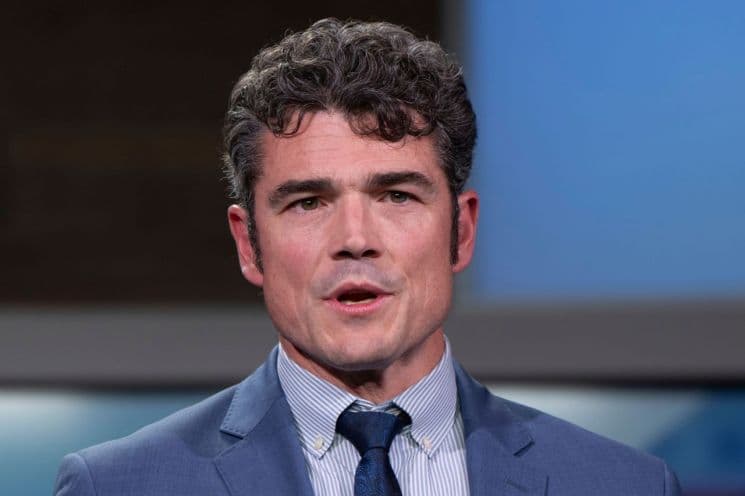
FBI investigates Joe Kent, former National Counterterrorism Center director, for allegedly leaking classified information.
81 sources compared

Lt. Gov. Juliana Stratton Wins Illinois Democratic Senate Primary to Replace Durbin
171 sources compared

Senators Grill Mullin Over DHS Nomination as Intel Officials Testify on Top Threats
91 sources compared

César Chávez Faces Sexual Abuse Allegations, Including Rape of Dolores Huerta and Other Survivors
34 sources compared