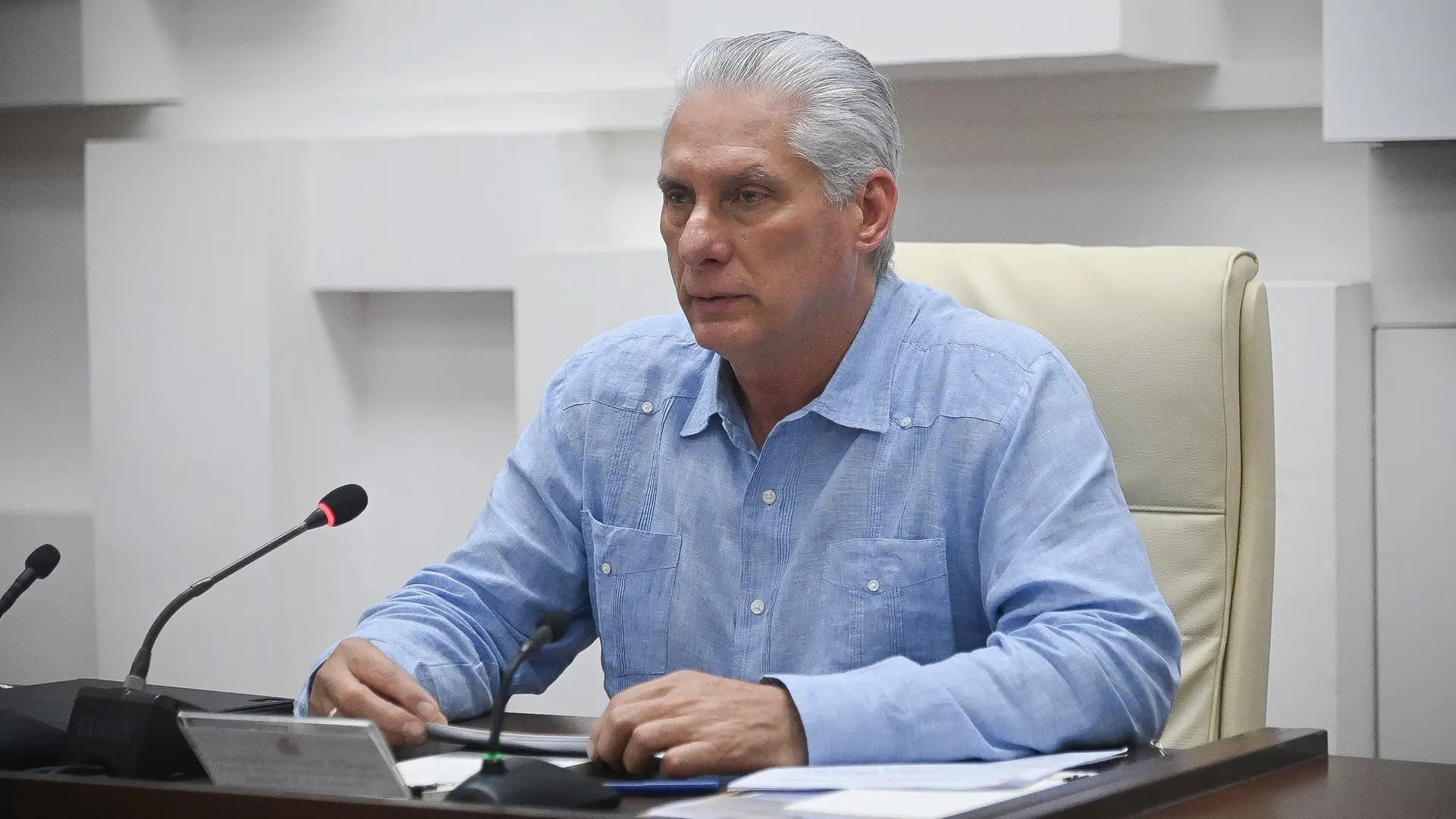
Cuban President Miguel Díaz-Canel Confirms Talks With Trump Officials
Key Takeaways
- Cuban officials confirmed recent talks with United States representatives.
- Talks aim to find solutions to bilateral differences and address the U.S. energy blockade.
- Officials gave few details—U.S. interlocutors and locations unspecified—and said any agreement will take time.
Talks confirmed and purpose
Cuban President Miguel Díaz-Canel publicly confirmed on March 13 that Cuban officials have held talks with representatives of the United States.
“President Donald Trump had said on several occasions over the past weeks that representatives of his administration were maintaining contacts with Cuban authorities”
He described the exchanges as aimed at "finding solutions through dialogue to the bilateral differences" between the two governments and to "identify the bilateral problems that need a solution."
Díaz-Canel said international factors had helped facilitate the contacts and characterised the process as "very sensitive," emphasising it was being approached with responsibility and discretion.
Energy crisis context
Díaz-Canel framed the talks against a severe energy emergency on the island, blaming a US "energy blockade" for the fact that "no petroleum shipments have arrived on the island in the past three months,"
He warned that the shortage has produced prolonged blackouts, curtailed services and forced hospitals to postpone operations.
Cuban officials and international reporting say the loss of Venezuelan oil supplies after Washington's operation in Caracas and threats to sanction third-country suppliers have sharply worsened fuel shortages.
Participants and intermediaries
Díaz-Canel said he was leading the Cuban side in the contacts together with former president Raúl Castro and senior Communist Party figures,
“They later operated on him when he was very small and left a scar that is now hardly noticeable," his cousin says”
State footage showed Raúl Castro's grandson, Raúl Guillermo Rodríguez Castro—nicknamed "El Cangrejo"—seated behind the president.
Cuban officials did not publicly name U.S. participants, though multiple outlets reported U.S. diplomacy had engaged discreetly, with media reporting that Secretary of State Marco Rubio had met Rodríguez Castro on the sidelines of a Caribbean meeting.
Mediators and cooperation
Cuba said international actors and mediators have helped facilitate the exchanges: Havana pointed to unspecified "international factors,"
The Vatican was cited as a mediator after Havana announced the forthcoming release of 51 prisoners under Vatican auspices,
Cuban officials said they were open to cooperation with U.S. agencies — including awaiting a possible FBI visit to investigate a recent armed speedboat incursion that Havana described as organised from U.S. territory.
Pressure and implications
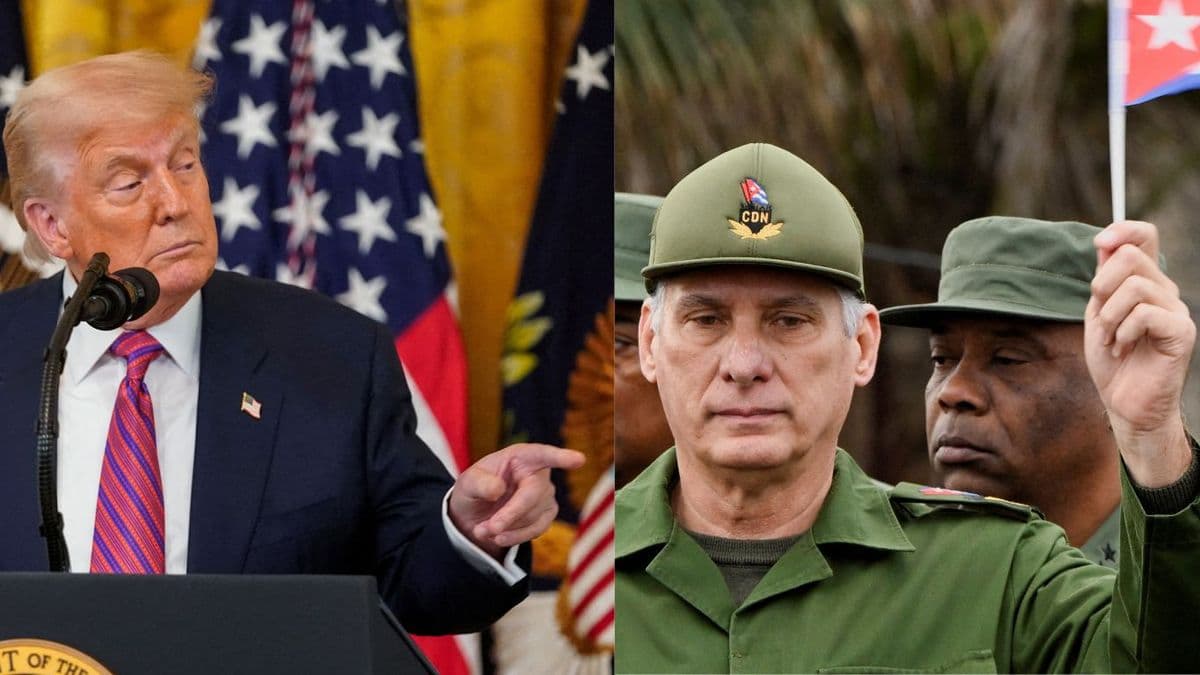
The disclosures come amid intense U.S. pressure and public rhetoric from President Donald Trump, who has framed Cuba as a target for regime change and has warned the island "is gonna fall pretty soon" while also suggesting talks were underway;
““The impact is tremendous,” he said”
Havana stresses any dialogue must respect Cuba's "sovereignty and self-determination."

Observers and Cuban sources say the energy squeeze has fuelled social unrest — protests, student sit-ins and widespread complaints — adding urgency to Havana's willingness to engage in discreet talks that remain at an early stage.
More on USA
FBI Warns of Iranian Drone Plot Based on Unverified Tip; California Says No Credible Threat
10 sources compared

White House Demands ABC Retract Report Claiming Iran Sought To Launch Drone Attacks On California
11 sources compared

Cuban Leader Miguel Díaz-Canel Confirms Talks With Trump Administration to End U.S. Oil Blockage
17 sources compared

Senate Passes Bipartisan Housing Bill Banning Institutional Investors From Buying Single-Family Homes
19 sources compared