
Cuban Leader Miguel Díaz-Canel Confirms Talks With Trump Administration to End U.S. Oil Blockage
Key Takeaways
- Miguel Díaz-Canel confirmed Cuban officials held talks with the Trump administration.
- Talks seek solutions to U.S. oil blockage and Cuba's severe energy crisis.
- Díaz-Canel said any agreement remains distant and negotiations are in early stages.
Confirmation of talks
Cuban President Miguel Díaz-Canel publicly confirmed that his government has held talks with representatives of the Trump administration to seek solutions to longstanding bilateral differences, describing the exchanges as discreet and in their initial stages.
“Cuban President Miguel Díaz-Canel revealed that his government is in contact with officials from the U”
Díaz-Canel said "Cuban officials recently held conversations with officials from the U.S. government to look for solutions to the bilateral differences that exist," and emphasized that "these are processes that are carried out with great discretion. They are long processes, and there has to be willingness and channels for dialogue, and all of that takes time."
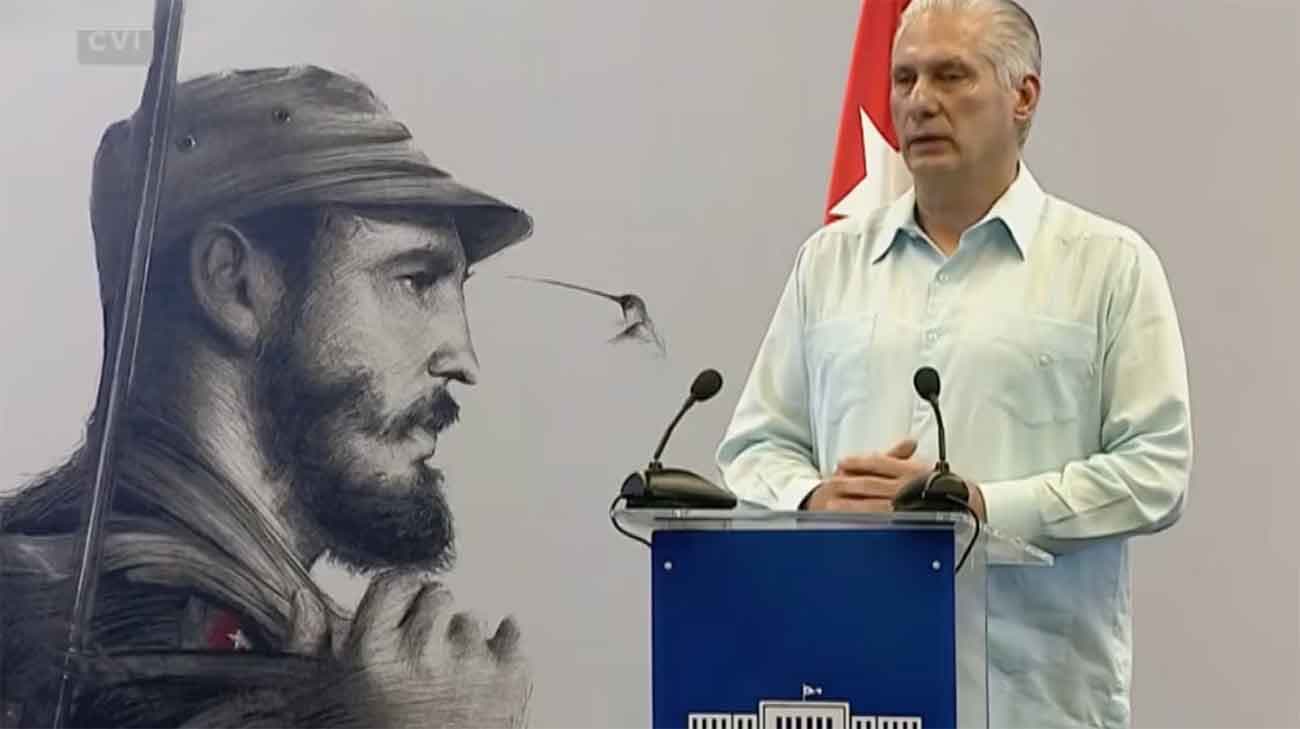
Multiple outlets reported the confirmation as Cuba’s first official acknowledgment of direct contacts with the U.S., noting the discussions aim to identify which bilateral problems require solutions.
Energy crisis context
Díaz-Canel framed the talks against a severe energy crisis he blames on an American-imposed oil blockade, saying "it has been more than three months since any fuel ship has entered our country" and warning the lack of fuel is having an "immeasurable impact on the life of all our people."
International and regional reporting described a widening humanitarian and economic toll: outlets noted a massive blackout that left millions without power, widespread service disruptions, and claims that thousands have had medical procedures delayed.
Cuban officials and analysts linked the shortages to Washington’s choke on Venezuelan deliveries and related sanctions.
Cuban negotiating stance
Havana has publicly blamed the United States for the squeeze and stressed sovereignty and reciprocity as negotiation principles; Díaz-Canel said "the fault is not the government nor the revolution, but the energy blockade they have imposed on us,"
“Cuban leader Miguel Diaz-Canel confirmed Friday that Cuban officials recently held conversations with the U”
while insisting Cuba will proceed "under the principles of equality and respect for the political systems of both countries, for sovereignty and for self-determination."
State television footage and reporting also showed the talks are being overseen by top Cuban leadership, including Díaz-Canel and Raúl Castro, and featured Raúl Guillermo Rodríguez Castro—Raúl Castro’s grandson—at public events linked to the dialogue.
U.S. pressure and outreach
Reporting on the U.S. side emphasized pressure from President Trump and active outreach by his team: outlets said the administration has "choked off oil supplies" to Cuba and that Trump has publicly urged Cuba to "reach an agreement" or face consequences,
while The Hill and the Miami Herald reported that the White House has tasked and delegated senior figures to engage Havana, including claims that "Secretary of State Marco Rubio’s advisers met with Raúl Castro’s grandson" and that Trump "has tasked Secretary of State Marco Rubio to talk with Cuban officials."
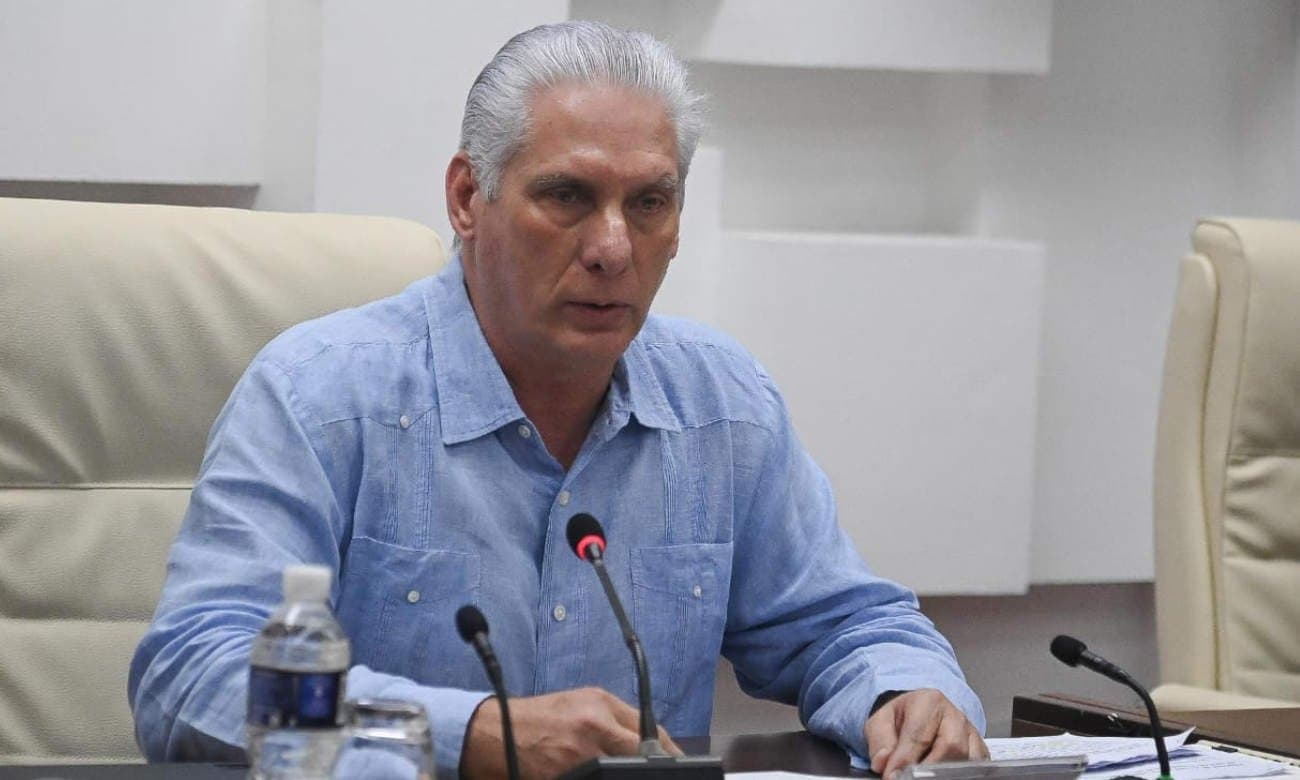
Some reports suggested U.S. negotiators are exploring economic levers and political off-ramps for Cuba’s leadership as part of broader pressure strategies.
Uncertainties remain
All outlets emphasised the talks remain preliminary and details are scarce: Díaz-Canel himself warned agreements are distant and in "initial phases,"
“Cuba's government has held talks with Donald Trump's administration, the country's president, Miguel Díaz-Canel, said on Friday”
multiple news organisations noted the State Department had no immediate comment or that requests for comment were pending, and reporting repeatedly described the process as "very sensitive" and being handled with discretion,

leaving key questions — including precisely what concessions might be on the table — unresolved.
More on USA
FBI Warns of Iranian Drone Plot Based on Unverified Tip; California Says No Credible Threat
10 sources compared

White House Demands ABC Retract Report Claiming Iran Sought To Launch Drone Attacks On California
11 sources compared
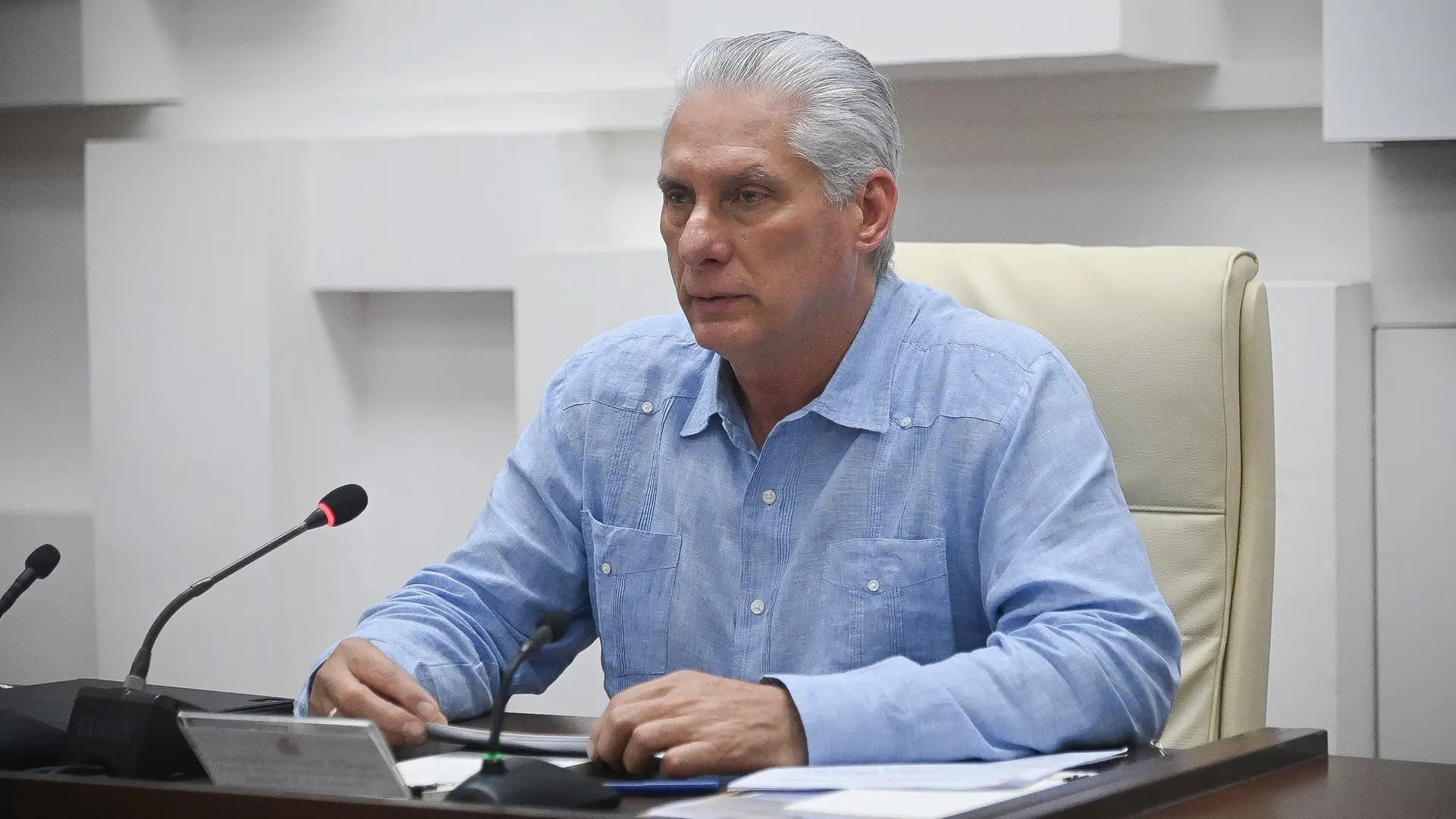
Cuba Holds Talks With Trump Administration to Seek Fuel Relief Amid Energy Crisis
52 sources compared

Senate Passes Bipartisan Housing Bill Banning Institutional Investors From Buying Single-Family Homes
19 sources compared