Full Analysis Summary
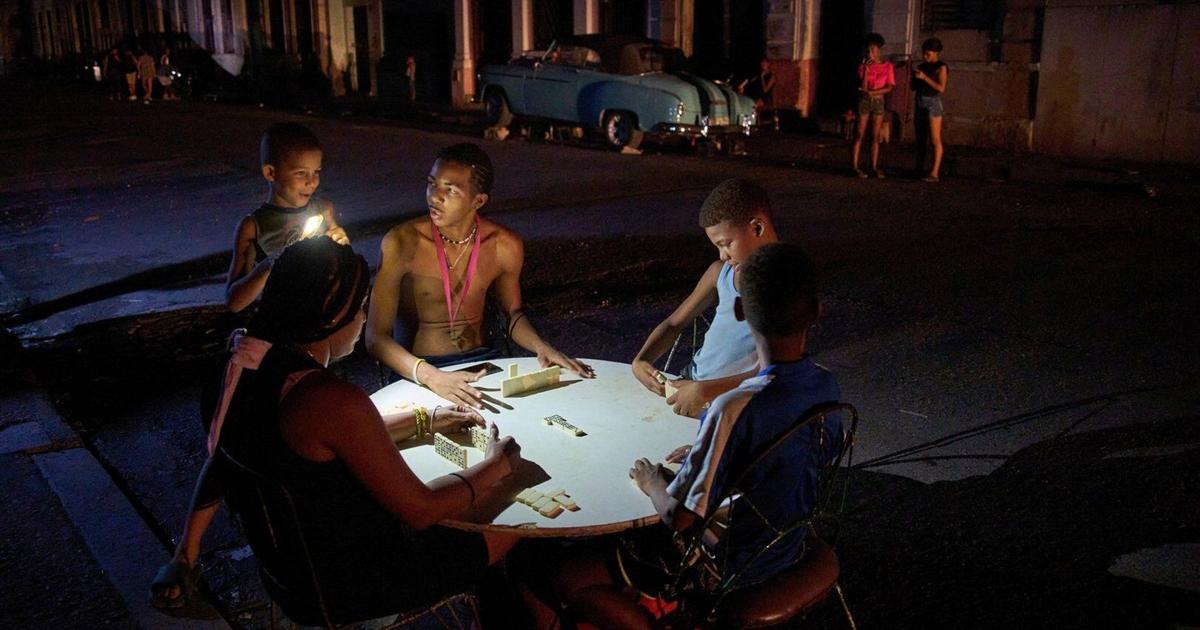
Widespread Cuba power outage
A widespread blackout struck Havana and much of western Cuba early Wednesday, leaving millions without electricity after a failure on a transmission line linking major plants, according to officials.
The Spec reported the blackout, saying officials blamed a failure on a transmission line linking two major power plants and that Energy Minister Lázaro Guerra warned restorations would be gradual.
The South China Morning Post said a failed transmission line linking Havana to Cuba's largest power plant in Matanzas caused a blackout around 5 a.m. and noted the outage affected at least four provinces from Pinar del Río to Mayabeque.
CubaHeadlines placed the blackout in the context of systemic generation shortfalls, reporting that Cuba's electric system (SEN) continues to suffer severe, repeated failures and registered a generation deficit of more than 2,000 MW.
Coverage Differences
Cause emphasis / detail
The Spec and South China Morning Post focus on a specific transmission-line failure linking major plants (and cite Lázaro Guerra), whereas CubaHeadlines emphasizes a broader systemic generation deficit and repeated failures, and states the “specific cause of the recent Havana blackout remains under investigation.” The latter frames the event as part of chronic system-wide shortfalls rather than attributing it solely to a single line trip.
Scope framing
CubaHeadlines quantifies the system shortfall (a 2,000+ MW generation deficit and a 2,105 MW peak shortfall), while The Spec and SCMP emphasize the geographic extent and timing (Havana and western provinces, around 5 a.m.), showing technical versus situational frames.
Cuba power restoration updates
Restoration efforts began within hours but were expected to be gradual and uneven.
The Spec reports restorations will be gradual, quoting energy minister Lázaro Guerra, while the South China Morning Post says workers began restoring electricity by midmorning with some service already returned in Havana and Mayabeque and notes only certain facilities, such as hotels and hospitals, were running on generators.
CubaHeadlines says Havana’s Electric Company had been warning customers of daily interruptions for weeks as low system availability forced cuts to scheduled supply and documents recent 24‑hour service disruptions tied to a generation deficit.
Coverage Differences
Restoration timeline and visible effects
The Spec presents an official expectation of gradual restoration, SCMP reports concrete midmorning restoration activity and visible impacts on the skyline and essential services, while CubaHeadlines emphasizes pre-existing planned cuts and long-duration disruptions caused by low availability.
Human impact detail
SCMP highlights the visual and service impacts (dark skyline, hotels and hospitals on generators), The Spec highlights disruptions to water service and businesses amid a broader economic crisis, and CubaHeadlines underlines operational warnings and scheduled-supply cuts.
Cuba power outage pattern
The blackout is part of a pattern of repeated, large-scale outages across Cuba this year.
CubaHeadlines lists a string of incidents, noting a fifth nationwide blackout in mid-September and a massive eastern outage days earlier when the 220 kV Nuevitas–Tunas line tripped, isolating Las Tunas to Guantánamo and affecting unit 6 at the Mariel thermoelectric plant, and links those to low eastern generation and weather.
The Spec also references a nationwide blackout in September and recent eastern outages after Hurricane Melissa in late October.
SCMP frames the event as the latest episode in a wider energy crisis that has produced prolonged blackouts for months, connecting the Havana outage to that ongoing crisis.
Coverage Differences
Level of technical detail
CubaHeadlines provides the most granular technical timeline and infrastructure details (specific line trips, unit numbers, and regions affected). The Spec offers a concise historical reference to prior nationwide outages and hurricane-related eastern outages, while SCMP emphasizes the crisis’s duration and human-visible signs. This shows CubaHeadlines leaning technical, The Spec contextualizing politically/economically, and SCMP focusing on situational reporting.
Havana blackout explanations
Officials and analysts differ on immediate explanations and responsibilities while investigations continue.
The Spec quoted energy minister Lázaro Guerra saying restorations would be gradual.
SCMP quoted Lázaro Guerra saying workers began restoring electricity by midmorning.
CubaHeadlines emphasized that the specific cause remains under investigation and that earlier reports pointed to adverse weather and very low eastern generation.
This contrast underlines that official spokespeople focus on an operational restoration narrative while other reporting highlights chronic systemic deficits and technical investigation.
Coverage Differences
Official statement vs. investigation emphasis
The Spec and SCMP quote the energy minister’s immediate statements about restoration and the implicated transmission-line failure, whereas CubaHeadlines highlights that authorities have attributed some failures to weather and low generation and that the specific cause is still being investigated.
Coverage of Cuba outages
Immediate consequences are clear, but longer-term effects and root causes remain contested or unclear across reporting.
The Spec warns the outages are disrupting water service and businesses amid a deepening economic crisis worsened by the pandemic, U.S. sanctions and a failed currency reform.
CubaHeadlines warns of shifting outages as generation deficits grow, saying restoration in the east led to more frequent and longer outages in central and western provinces.
SCMP emphasizes real-time humanitarian and infrastructural impacts, citing dark skylines and generators at critical facilities.
Each source emphasizes different consequences: economic and social strains in The Spec, system-wide operational stress in CubaHeadlines, and immediate public-service impacts in SCMP.
All three anchor their claims in observed outages and official comments.
Coverage Differences
Consequences emphasis
The Spec foregrounds economic and political strains (pandemic, sanctions, currency reform) as part of the crisis narrative; CubaHeadlines stresses operational shifts and technical generation deficits causing outages to move geographically; SCMP foregrounds immediate public-service impacts and visual evidence. Together they show complementary but not fully overlapping emphases, and they leave some causal threads open.