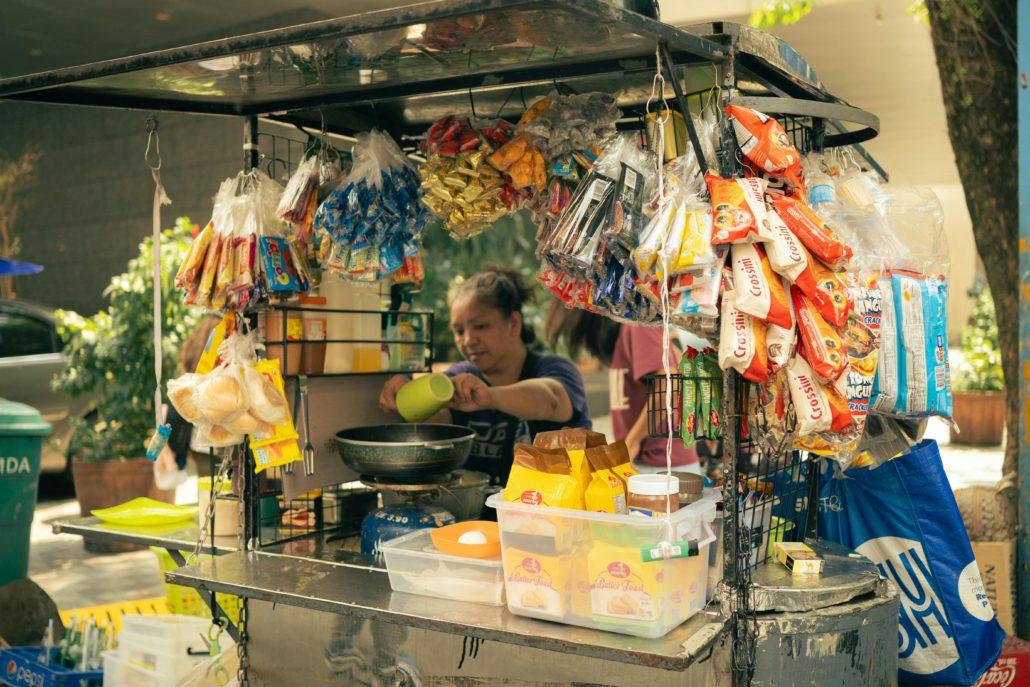
Cuerpxs En Resistencia Provides Warm Community Meals in Bogota’s Poorest Neighborhoods
Key Takeaways
- Cuerpxs En Resistencia provides warm, dignified community meals in Bogotá's poorest neighborhoods.
- The program serves people in precarious and exploitative positions.
- Petro's administration is linked to poverty reduction claims cited by the program.
Poverty and meals in Colombia
Cuerpxs En Resistencia helps provide warm and dignified community meals in Colombia’s poorest and most dangerous neighborhoods, aiming to tackle poverty for people in precarious and exploitative positions.
“A 55-year-old from Bogotá, a PhD in Economics, rector of four universities, he held the Finance and Commerce portfolios under Iván Duque, had to steer the pandemic and achieved a 7”
The Borgen Project says Colombia’s first left-wing president, Gustavo Petro, has lifted almost 4 million people out of poverty since his inauguration in 2022, while the most recent 2024 statistics it cites put 31.8% of the population below the national poverty line and 4.5 million people (8.5%) below the international poverty rate of living on less than $3.00 a day.
It adds that around 61.5% of people living in rural Colombia are identified as poor, and that multidimensional poverty in Colombia was assessed across five dimensions including employment, housing conditions, health, household education, and children’s or youth’s conditions.
Sofia, a previous volunteer with Cuerpxs En Resistencia, described Santa Fe in Colombia’s capital city, Bogota, as a place where poverty leads to dehumanization and where common gun violence and the use of serious drugs were linked to decades of conflict.
The Borgen Project reports that Cuerpxs En Resistencia helped create a community-funded project in Santa Fe providing a free, warm community meal and a safe space for people facing multidimensional poverty, including a diverse group from young children to people in their 70s facing homelessness.
Debate over debt and crime
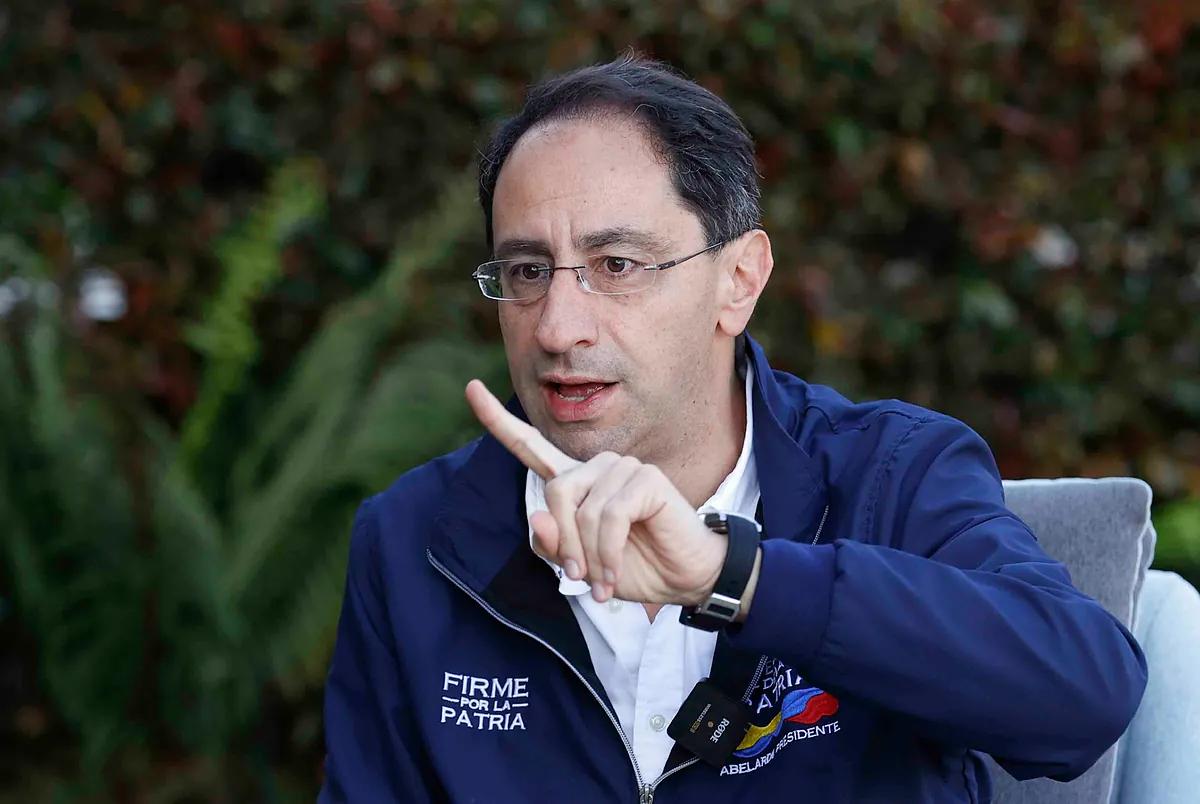
In a Portafolio.co piece, José Manuel Restrepo, rector of Universidad EIA and former minister, refutes Petro’s figures on the public debt, arguing that the worst economic crisis Colombia will face on August 8, 2026 will be tied to the deplorable state of its debt.
The same article says that in four years total public debt will have grown by more than 400 trillion pesos and that projected mid-term interest obligations will be more than 420 trillion pesos, with total public debt service almost doubling from what it was in August 2022.
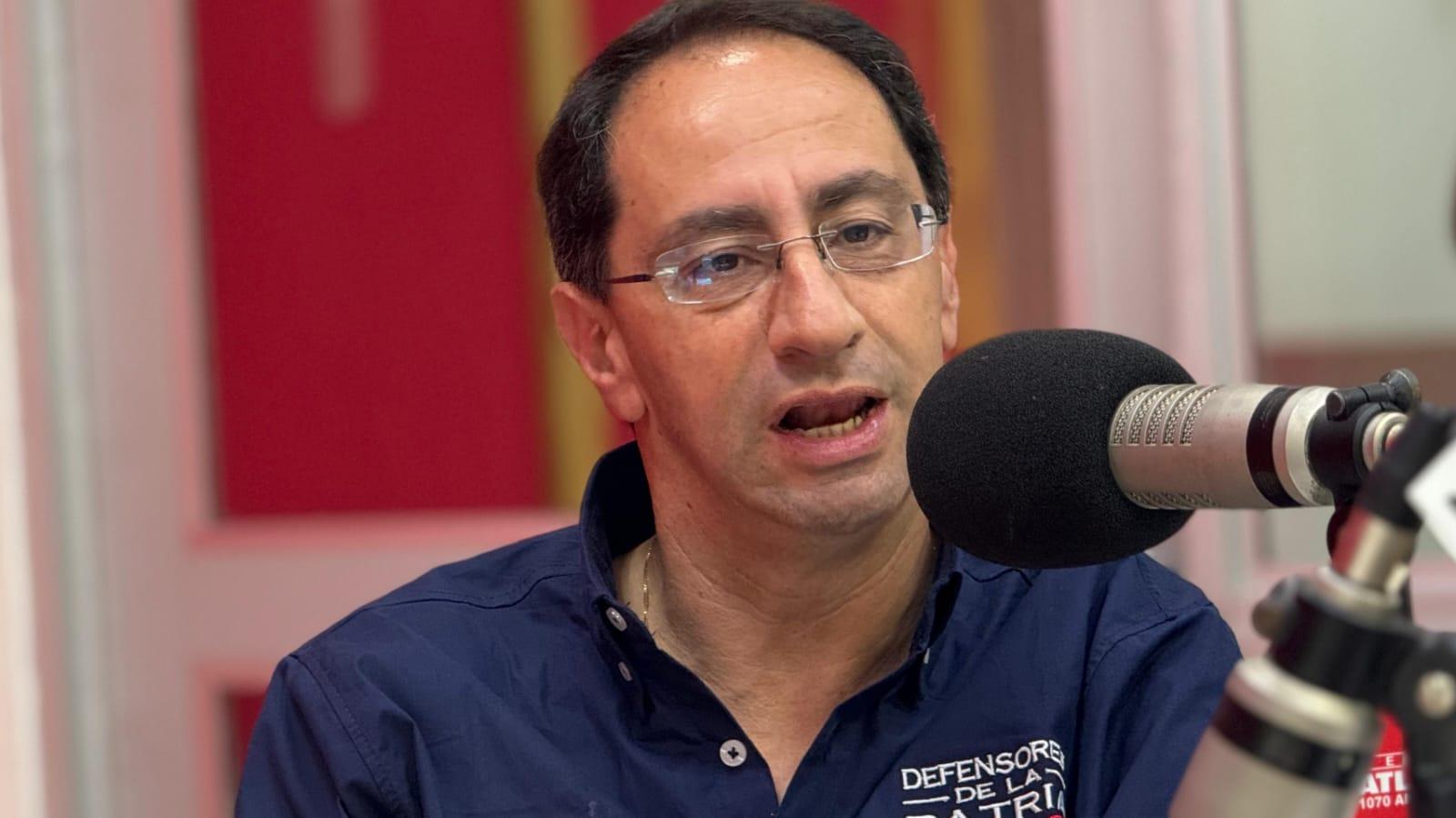
On Emisora Atlántico 1070 AM, Restrepo promised a hardline approach to crime and questioned the policies of the Petro government, saying a possible new government would put an end to what he called a 'pandemic of crime and extortion' in the Atlántico Department.
He told Emisora Atlántico that the 'Total Peace' policy would end on August 7, in case of a change of administration, and he said illegal groups are linked to the insecurity situation through the relationship between the Government of Gustavo Petro and illegal armed organizations.
The Emisora Atlántico interview also quotes Restrepo saying, 'We are not afraid and with Abelardo de la Espriella we are working to change Colombia,' while warning that there are territories off-limits to opposition candidates for political activity.
Restrepo’s campaign message
In an EL MUNDO interview, José Manuel Restrepo, vice-presidential candidate with Abelardo de la Espriella, said, "Petro leaves Colombia worse than when the pandemic began," and he described the primary deficit multiplying by ten in just two years and the public debt by more than 50% in just three and a half years.
“In this portal we use navigation data and cookies from our own site and third parties to manage the portal, generate statistical information, optimize site functionality, and show advertising related to your preferences through analysis of browsing”
Restrepo told EL MUNDO that he accepted the vice-presidential choice because he saw Colombia’s democracy at risk, saying the alternative would have been the destruction of institutions, of checks and balances, of the economic model, of freedoms.
He said the country is tired and described traveling around and being met with people who "give you a hug and burst into tears" over health problems, security, extortion, and the economic challenges of small businesses.
On security and governance, Restrepo told EL MUNDO that Petro will try to do that and it would be very undemocratic, but that "we will prevent, with the exercise of authority" that a minority seeks to block mobility, life, or business rights.
He also framed foreign policy by saying, "We want to be protagonists, hand in hand with the United States, in the recovery of democracy in Venezuela," linking it to a potential point of GDP growth for Colombia.
More on South America
Rodrigo Paz Declares State Of Emergency After Protests Kill 14 In Bolivia
12 sources compared

Two Helicopters Collide Over Rio de Janeiro, Killing Oliver Tree And Six
12 sources compared
U.S. Kills Tren de Aragua Leader Niño Guerrero in Venezuela Airstrike, Trump Says
15 sources compared
Peru Polls Open In Runoff Between Keiko Fujimori And Roberto Sanchez
17 sources compared