South America · 20 June, 2026 · 3 min read
Rodrigo Paz Declares State Of Emergency After Protests Kill 14 In Bolivia
Rodrigo Paz declared a nationwide state of emergency. Gives security forces power to clear anti-government roadblocks.
Whether emergency is chiefly a restoration measure or a threat/rights curb.
9 of 11 outlets skipped it: paz set a 90-day state of emergency..
12outlets compared
Same story, two versions
tap a side to read it in full
Same policy framed as rights-preserving versus crackdown.
Emergency to Clear Blockades
Bolivia’s President Rodrigo Paz declared a state of emergency after weeks of nationwide protests and road blockades crippled the country’s economy, with the crisis leaving at least 14 people dead, according to Reuters reporting carried by Devdiscourse.
“allowing security forces to begin clearing protesters' roadblocks”
The declaration came as protesters demanded fuel subsidies be reinstated and increased funding for education, and as road blockades stranding trucks and choking supplies of food, fuel and medicines hurt areas including La Paz and El Alto.

In a televised address, Paz said the anti-government blockades were no longer a social protest but an organized attempt to destabilize Bolivia's democracy, and he promised the measure would protect citizens and ensure the flow of essential goods.
Defense Minister Ernesto Justiniano told journalists that by Saturday afternoon police and armed forces had cleared several roadblocks and normality was returning, while AFP reported Paz deployed soldiers and bulldozers to raze anti-government roadblocks.
The emergency declaration also came with constitutional timing, with Reuters reporting that Congress cleared a path for the declaration in May and that the president must notify Congress within 24 hours, with Congress then having up to 72 hours to approve or reject it.
Paz, Protesters, and Dialogue
Paz framed the emergency as a step to restore freedom of movement, saying, "It is a state of emergency to give freedom back to the people, to free Bolivia from those who use political conflict to block roads and harm the population," as reported by Devdiscourse.
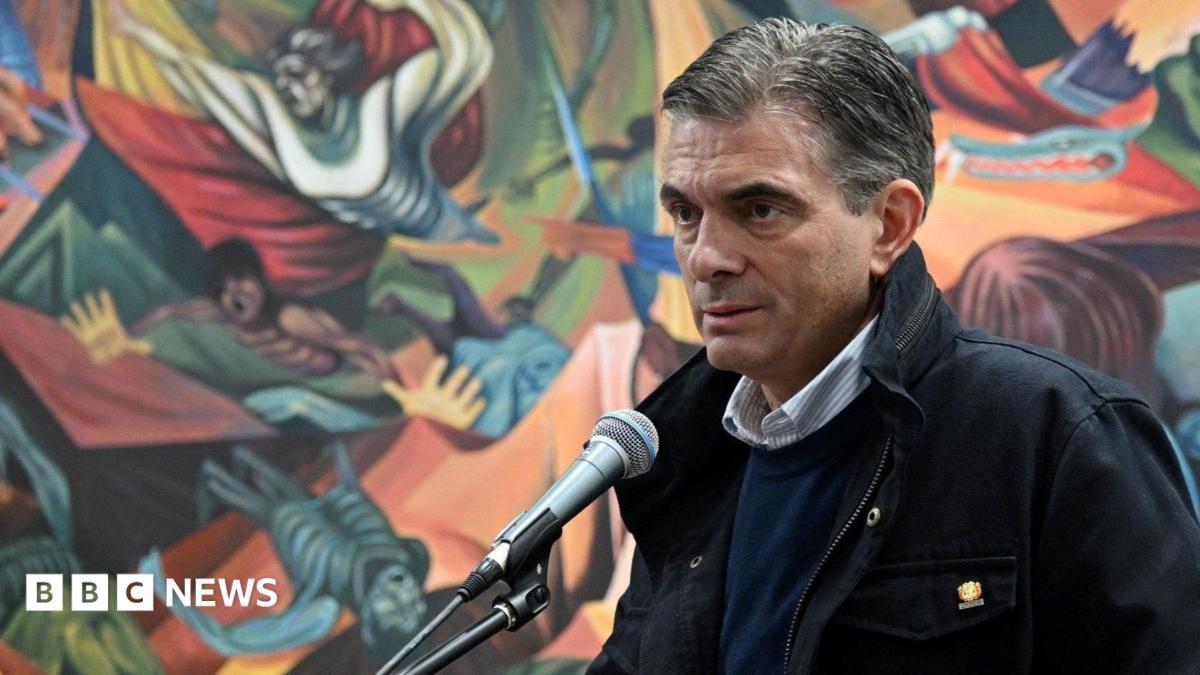
The BBC reported that Paz said the state of emergency would "free the country's roads" and "restore" normalcy, and it added that Congress must approve or reject the measure within 72 hours.
In El Alto, Reuters reporting carried by Devdiscourse quoted Elvira de Mamani, 65, saying, "We have suffered, and we want all of this cleaned up. It's good," as a tractor cleared debris blocking a highway in front of her neighborhood.
Protesters continued to reject Paz’s approach, with Devdiscourse quoting Fortunata Perez through tears: "We have the right to fight for our livelihoods, for our food ... We will fight for our children!"
The BBC also said some Indigenous groups vowed to keep protesting, with roadblocks remaining in place, even after Paz announced a deal with the Bolivian Workers' Confederation.
Deadlines, Deaths, and Fallout
The emergency powers were tied to a broader political standoff, with Reuters reporting that Paz’s order took effect immediately but required Congress notification within 24 hours and approval or rejection within 72 hours.
“"I have arranged for the implementation of the State of Exception to free the country’s roads"”
Reuters reporting carried by Devdiscourse said the conflict had paralyzed the economy over the past 50 days and left at least 14 people dead, while CNN cited at least 14 killed between May 1 and June 15 according to Bolivia’s ombudsman’s office.
Paz said the state of emergency would clear the way for the military and police to restore order, and CNN quoted him saying, "I have arranged for the implementation of the State of Exception to free the country’s roads."
The BBC reported that protesters were calling for fuel subsidies to be reinstated and a rollback of austerity measures, as well as demanding Paz’s resignation, while it said several people had died and hundreds had been arrested during the unrest.
As the crisis continued, AFP reported that more than 40 major roadblocks remained, and it described Paz warning protesters they would face "the full force of the law" as he moved to end the crisis.