South America · 01 August, 2026 · 3 min read
Lula Launches Fourth Presidential Term Bid as Workers' Party Nominates Him in Sao Paulo
Lula officially launches bid for fourth and final term at São Paulo PT convention. At 80, Lula says he is in excellent shape to campaign.
Lula health claim framed as personal assurance vs general campaign launch.
7 of 8 outlets skipped it: geraldo Alckmin defended Brazil’s electronic voting system.
25outlets compared
Same story, two versions
tap a side to read it in full
Bangkok Post
“pressure from US President Donald Trump's administration casts a shadow over the campaign”Read the original ↗
Xinhua
“Addressing the convention, the 80-year-old Brazilian president said his administration's achievements will serve”Read the original ↗
Bangkok Post and TRT World emphasise Trump tension; DW and Xinhua lead with procedures and achievements
Lula’s Fourth-Term Launch
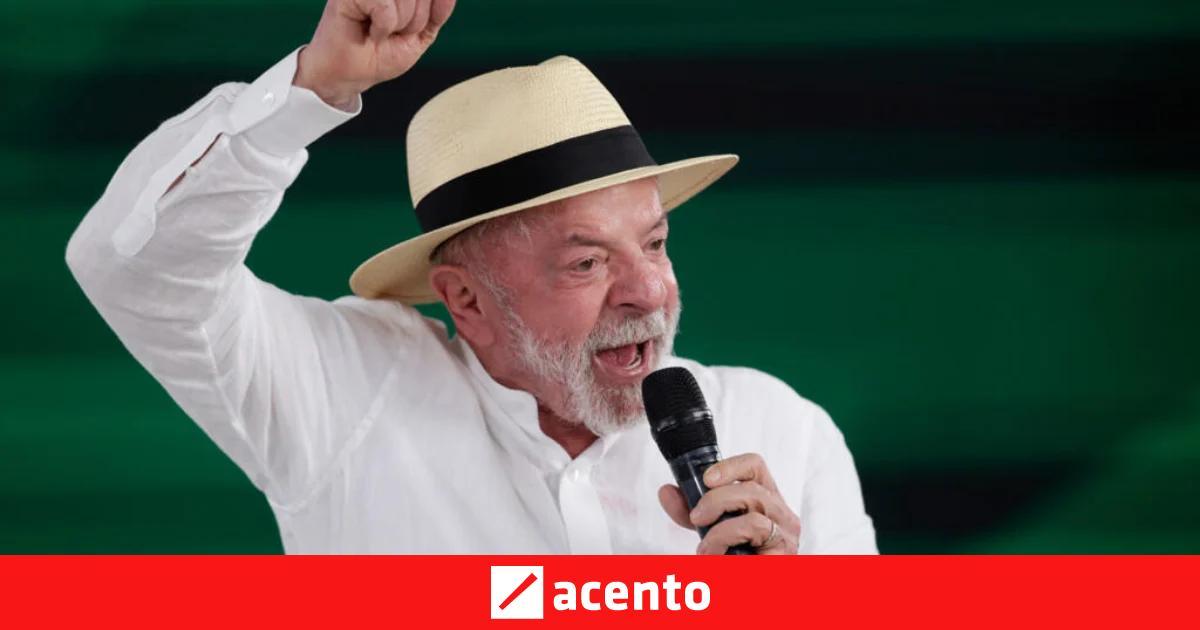
Brazil’s President Luiz Inacio Lula da Silva, 80, officially launched his bid for a fourth presidential term at a Workers' Party (PT) convention in Sao Paulo, casting himself as a defender of Brazil’s “sovereignty” as pressure from US President Donald Trump’s administration casts a shadow over the campaign.
“delegates formally approved the ticket pairing Lula with incumbent Vice President Geraldo Alckmin”
Lula, a former metalworker and unionist, said, “In Brazil, we do not accept anyone sticking their nose where it does not belong,” while the convention paired him with incumbent Vice President Geraldo Alckmin, with PT President Edinho Silva announcing the party had completed candidate registration with the Superior Electoral Court.
Xinhua reported that Brazil’s electoral rules require parties to confirm candidates by Aug. X5 and complete official registration by Aug. 15, with the official election campaign scheduled to kick off on Aug. 16.
Lula’s main rival is Flavio Bolsonaro, the 45-year-old senator who stepped in after his father was convicted of plotting a coup to prevent Lula from taking power in 2023, and the campaign is set for October elections.
A Datafolha poll cited by multiple outlets showed Lula leading in a potential second round, with one figure giving 48 percent for Lula and 43 percent for Flavio Bolsonaro.
Tariffs, Minerals, and Rivalry
At the PT convention, Lula urged greater investment in defence and stressed the need to protect Brazil’s sovereignty amid trade and diplomatic tensions with the United States, saying, “I want to be prepared so that no one invades this country.”
TRT World quoted former finance minister Fernando Haddad saying, “The world is in turmoil. Today, we face wars and the rise of the far right,” as Lula’s campaign framed global uncertainty and outside threats.
The campaign also turned to critical minerals, with Lula warning, “Neither the Chinese, nor the Americans, nor the French are going to get their hands on our rare earths,” while the United States imposed two rounds of tariffs on Brazilian goods in July alleging unfair trade practices.
The Taipei Times reported that last month the US imposed two rounds of tariffs on Brazilian goods, and that Brasilia denied the allegations, while last year Washington hiked tariffs in retaliation for the trial against Jair Bolsonaro.
In the same political contest, the sources described corruption and security as recurring themes, including a probe opened this week into one of Lula’s sons, nicknamed “Lulinha,” suspected of corruption and influence peddling.
What’s at Stake Next
The nomination and campaign kickoff come with the October election ahead, and the sources tie the political stakes to both economic pressure and security concerns, including families complaining about the cost of living and the fiscal deficit worsening.
““Quiero decir para toda la militancia de los partidos que están aquí: homologamos, oficializamos ahora. Lula, presidente; (Geraldo) Alckmin, vice””
LA17 and Diario El Mundo both cited Datafolha figures showing Lula at 48% and Flávio Bolsonaro at 43% in an eventual balotaje, while Diario El Mundo said the October contest is a new mano a mano between Lula’s bloc and the right represented by the senator.
DW reported that the PT convention was held at Expo Center Norte in São Paulo and that Edinho Silva said, “homologamos, oficializamos ahora. Lula, presidente; (Geraldo) Alckmin, vice,” as Lula sought to consolidate his base amid the shadow of Trump.
The sources also said the campaign is shaped by judicial scrutiny, with LA17 noting that the Supreme Court authorized an investigation into “Lulinha” for a presunto caso de tráfico de influencias, and DW adding that this week a judge authorized the opening of two investigations for traffic of influence against Fábio Luís Lula da Silva.
In the background of the political fight, the sources described the Bolsonaro family as allied with Trump, and Lula as having derided Flavio Bolsonaro as a “traitor to the nation,” while the campaign’s messaging centered on defending sovereignty and resisting outside influence.