Technology and Science01 December, 20252 min read
Cyclone Senyar Devastates Sumatra, Kills Over 1,000 and Displaces Millions
This article is an automated aggregation of coverage from news outlets. Our editorials offer in-depth analysis curated by the NewsCord team.
More than 1,000 people killed across Indonesia, Sri Lanka, and Thailand Sumatra experienced the worst destruction, with hundreds dead and millions displaced
8 outlets told this the same way.
Cyclone Senyar regional impact
A devastating multi-country weather emergency has killed over 1,000 people and displaced millions across South and Southeast Asia after Cyclone Senyar and related heavy rains pummeled the region. Authorities and media report catastrophic flooding and landslides across Indonesia, Sri Lanka, Thailand, Malaysia and the Philippines.
“Over 1,000 people have died and millions displaced after severe flooding and a rare cyclone hit parts of Southeast Asia over the past week, authorities say.”
Officials say at least 502 deaths occurred in Indonesia alone and more than 1,000 across the region, with large-scale displacement and many communities cut off. Relief teams are stretched thin as rescue operations continue amid damaged infrastructure and blocked roads.

Sumatra flood disaster update
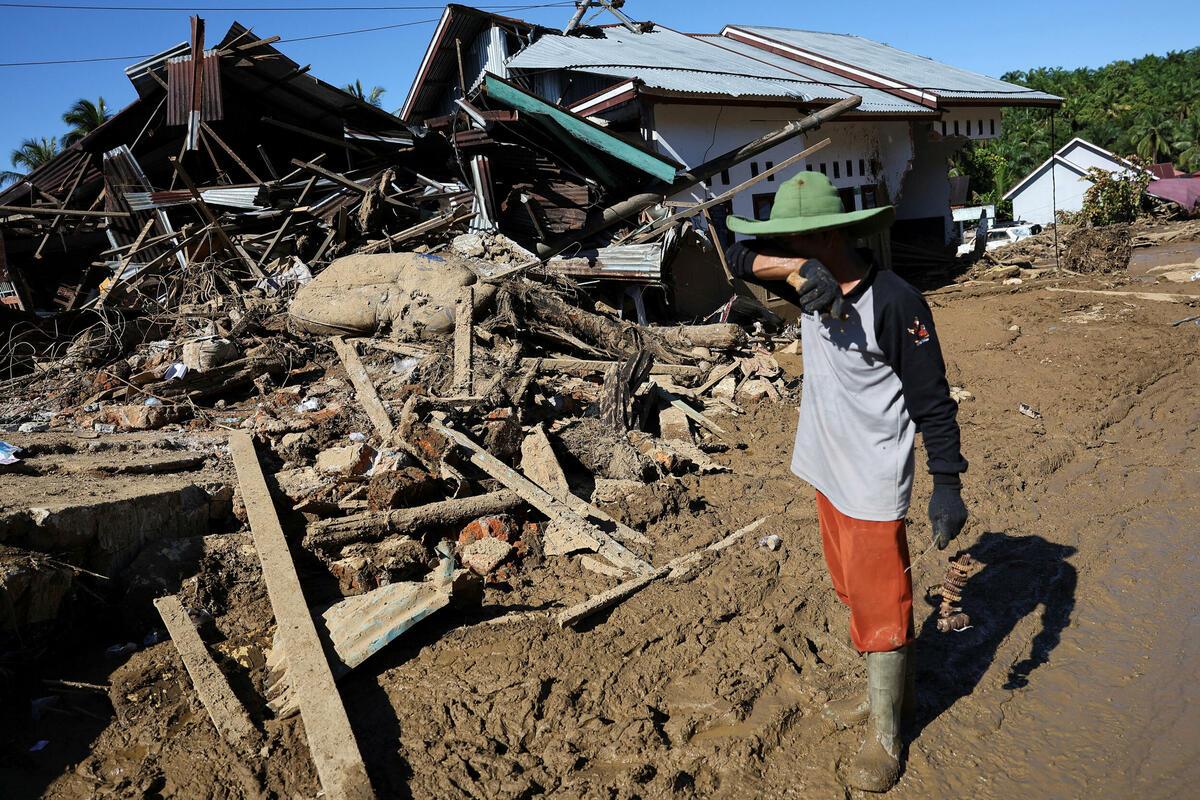
Sumatra was the epicenter of the destruction in Indonesia, where officials reported catastrophic flooding and landslides that cut off towns and left thousands stranded. Local and regional reports put Indonesia's confirmed deaths at or near 502, with hundreds still missing and tens of thousands evacuated.
Rescue teams have used helicopters, boats, planes and warships to reach isolated villages while roads and bridges remain impassable. President Prabowo Subianto visited the area and authorities deployed military and logistical support as search operations continue by ground and air.
Sri Lanka cyclone impact
Sri Lanka declared a state of emergency after Cyclone Ditwah. Authorities reported several hundred deaths and tens of thousands displaced. Reports vary on the toll: Tempo.co reports 344 dead and about 147,000 displaced, while Al Jazeera cites 335 deaths.
“Sri Lanka, struck by Cyclone Ditwah, declared a national state of emergency after reporting 344 deaths, 228 missing, about 147,000 displaced and some 25,000 homes destroyed—especially along the Kelani River near Colombo—prompting requests for international aid and initial assistance from India, Pakistan and Japan.”
All accounts emphasize massive damage along river corridors and calls for international assistance. Initial aid was noted from India, Pakistan, and Japan.
Relief access and shortages
Relief efforts are under severe strain. Washed-out roads and bridges, steep and unstable terrain, damaged communications, and the threat of further rains have hampered access and aid distribution.
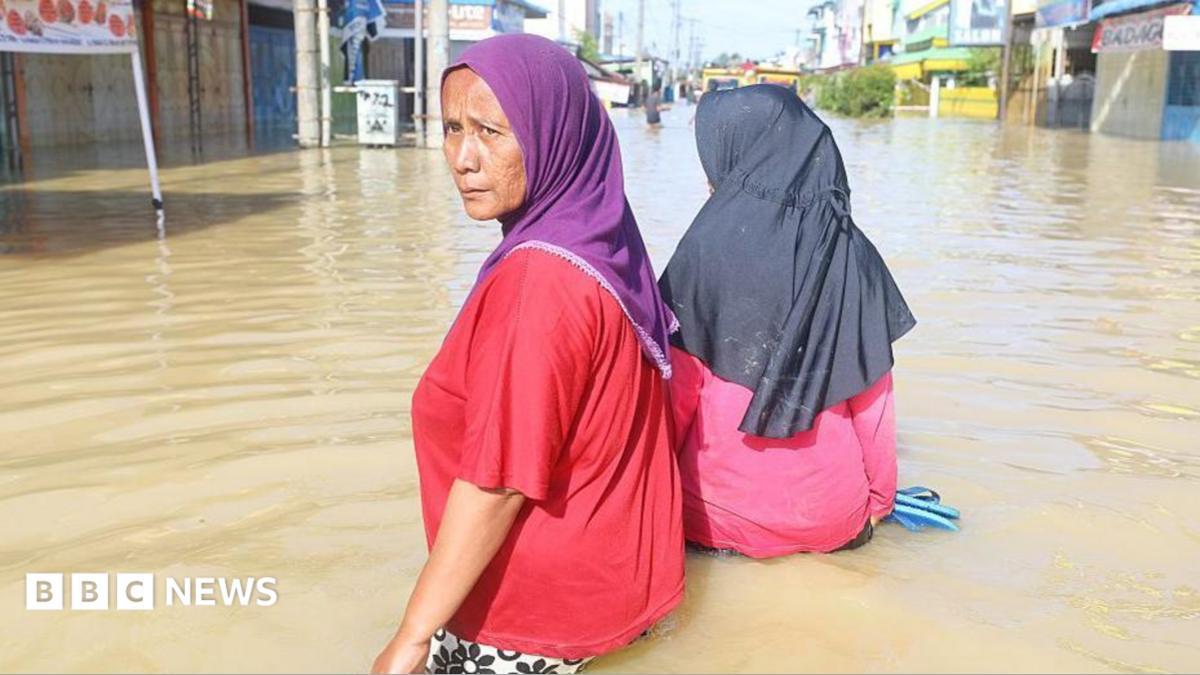
Multiple sources report helicopters, boats and military ships being used to reach isolated communities while humanitarian teams distribute food, water and medical supplies. However, footage and reports still show many residents wading through debris and mud, and blood banks are facing shortages.
Disaster Causes and Coverage
Experts and officials cite unusual weather patterns, heavy monsoon rains, and local factors such as deforestation as contributors to the scale of damage. There is growing political pressure in some countries to treat the disaster as a national emergency. Coverage varies between outlets that foreground climate and environmental causes and those that emphasize on-the-ground response.
“Authorities warned of possible outbreaks of waterborne disease, and experts cited unusual weather patterns, heavy monsoon rains and factors such as deforestation in worsening the disaster.”
Some outlets call for confronting climate change as a driver of extreme events. Others highlight presidential visits and the deployment of military assets to speed aid.
