Asia01 December, 20252 min read
Cyclones Senyar and Ditwah Kill More Than 1,000 Across Indonesia, Sri Lanka and Thailand
Floods and landslides across Indonesia, Sri Lanka and Thailand killed over 1,000 people Hundreds missing and millions displaced; relief efforts and military deployments are underway
15 outlets told this the same way.
Outlets did split on Avalanche Strikes Himlung Himal Base Camp In Nepal, At Least 10 Missing →
Regional cyclone flooding
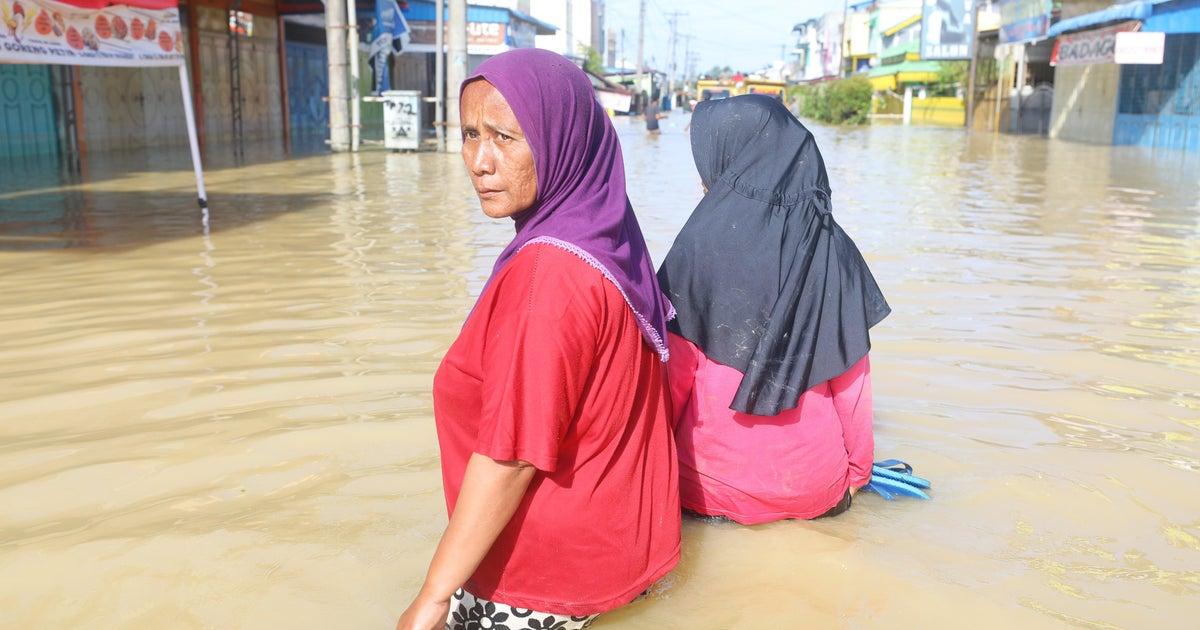
A string of cyclones and intense monsoon storms has produced catastrophic flooding and landslides across Indonesia, Sri Lanka and Thailand, killing more than 1,000 people and leaving hundreds missing or displaced. News outlets and agencies report overlapping figures, with overall casualties exceeding 1,000 and country-level tolls cited as at least 502 in Indonesia, around 334 in Sri Lanka, and roughly 170-176 in Thailand. Large populations across the region have been forced into temporary shelters or evacuated.
“Flooding and landslides across parts of Southeast and South Asia have killed more than 1,000 people and left hundreds more missing as governments scale up relief efforts.”
Multiple sources identify Cyclone Senyar and Cyclone Ditwah and related storm systems as the primary drivers of the worst impacts in Sumatra and Sri Lanka, respectively. People remain stranded as roads and communications are cut by mud and landslides.

Sumatra disaster overview
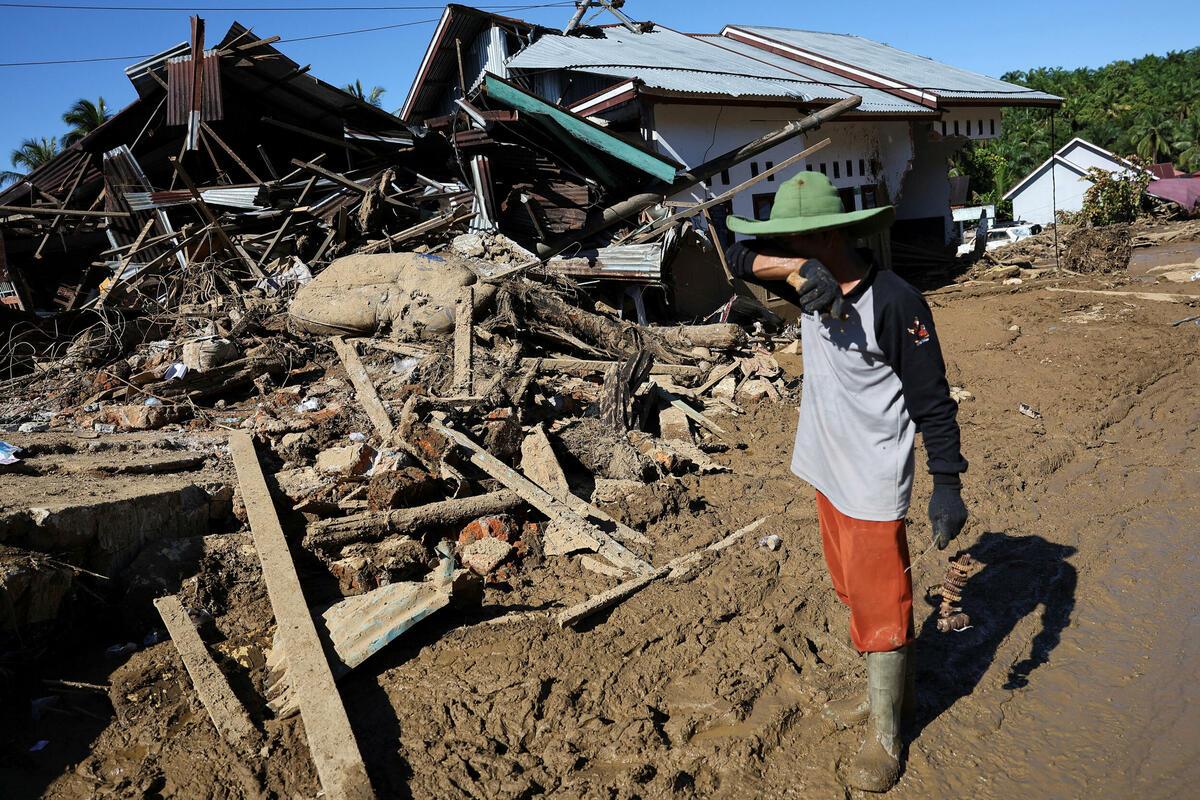
Indonesia’s Sumatra region is reported as the hardest hit, with authorities and multiple outlets placing hundreds of deaths and hundreds more missing. Local and international reports cite figures such as at least 502 or 442 dead in Sumatra and note large displacement, about 290,700 people in North Sumatra, West Sumatra and Aceh.
Extensive infrastructure damage has left communities dependent on air-dropped supplies. President Prabowo Subianto visited survivors, pledged to rebuild infrastructure, deployed planes, helicopters and ships, and ordered military assistance to reach isolated communities.

Sri Lanka cyclone update
Sri Lanka was struck hard by Cyclone Ditwah and related rains. Multiple outlets report a death toll in the low-to-mid 300s. Large numbers are missing, with many reports placing the missing at roughly 370 people.
“Sri Lanka — where President Anura Kumara Dissanayake declared a state of emergency and vowed to ‘build a better nation’ — has been particularly hard hit by Cyclone Ditwah, with about 334 dead and the government saying it needs international aid; a military helicopter pilot died during relief operations.”
Nearly 148,000 people are in temporary shelters. Authorities declared a state of emergency and described the storm as among the country's worst recent disasters.
Military helicopters were dispatched to carry out rescues. Officials and some outlets say Sri Lanka has appealed for international aid to support the response and recovery.
Southern Thailand flood impact
Southern Thailand’s flooding, driven by the same weather systems interacting across the region, has inundated provinces, disrupted services for millions and produced high death counts in some areas. Reports describe Hat Yai experiencing an exceptionally severe deluge, described as a once-in-300-years event, with hospitals and maternity wards cut off while compensation packages and public kitchens are being organized as part of relief. Estimates of people affected in Thailand range into the millions of households and several million individuals, and officials have deployed military resources to assist evacuations and deliver aid.
Storms, climate and coverage
Meteorologists and analysts cited across reporting link the storms' severity to complex weather interactions and warming seas, but they also caution that attribution is not always definitive. Several sources describe Senyar's formation in the Malacca Strait as rare. Others note the storm's interaction with Typhoon Koto and unusually active systems.
“Meteorologists link the extreme conditions to the interaction of two active systems: Typhoon Koto in the Philippines and Cyclone Senyar forming unusually in the Malacca Strait. Indonesia’s meteorology agency described Senyar’s formation there as ‘rare.’”
Many outlets and experts warn that warming oceans and a heated atmosphere driven by greenhouse gases increase cyclone intensity and peak rainfall rates. Coverage varies in tone: some outlets emphasize immediate rescue and logistics, while others foreground climate context and limits to adaptation.