Syria23 April, 20266 min read
Damascus And SDF Hold Consultations To Implement January Agreement In Hasakeh
This article is an automated aggregation of coverage from news outlets. Our editorials offer in-depth analysis curated by the NewsCord team.
Consultations between Damascus and SDF to implement January agreement ongoing after stall. Gradual integration of Kurdish administration and forces into the Syrian state.

January deal, fresh consultations
Damascus and the Syrian Democratic Forces (SDF) are seeking to implement the January agreement in a new round of consultations, according to Al-Jazeera Net.
In an exclusive statement to Al Jazeera Net, Ahmed Al-Hilali, the spokesperson for the Syrian presidential team responsible for implementing the agreement signed with the SDF in January, said consultations with SDF leadership on “a number of vital files are ongoing, after a previous round had stalled.”

Al-Hilali said the presidential team delegation held a meeting with the SDF’s Commander-in-Chief Mazloum Abdi, and that it was agreed “to continue technical and administrative consultations related to handing over the courthouses to the Ministry of Justice and to work on activating the judicial system.”
He added that the meeting reviewed “developments in the process of merging SDF forces into Syrian institutions,” and discussed “arrangements for conducting the electoral process for members of the People’s Assembly.”
Al-Hilali said the meeting was attended by Brig. Gen. Ziad Al-Aish, Mustafa Abdi, and Ahmed Al-Hilali, with the presence of Hasakeh Governor Nour al-Din Ahmad.
The same Al-Jazeera Net report places the talks against a backdrop of escalation in Hasakeh province, describing “the raising of flags belonging to the Democratic Union Party in several areas” alongside “political and administrative tensions” over implementing the January agreement, especially “concerning the handover of official institutions and merging of administrative structures.”
It also cites local sources saying SDF elements raised flags “along with the flags of the Democratic Union Party on several major roundabouts in Hasakeh province,” and that flags were reported in the Al-Nashwa district within the city of Hasakeh.
Integration talks and ceasefire
Rudaw reported that Syria’s UN envoy, Ibrahim Olabi, described Damascus-SDF integration talks as moving smoothly and at “exceptional” speed, saying the negotiations are “going exceptionally well compared to what people think would happen.” Speaking to Rudaw, Olabi said the “maturity of the different parties” is evident because “a situation so complex is being resolved so easily,” referring to previous tensions between Damascus and the Kurdish-led force. Rudaw tied the remarks to the implementation of a “landmark 14-point agreement reached on January 29,” with mediation from the United States through its Special Envoy for Syria, Tom Barrack, alongside Kurdish political figures from the Kurdistan Region.
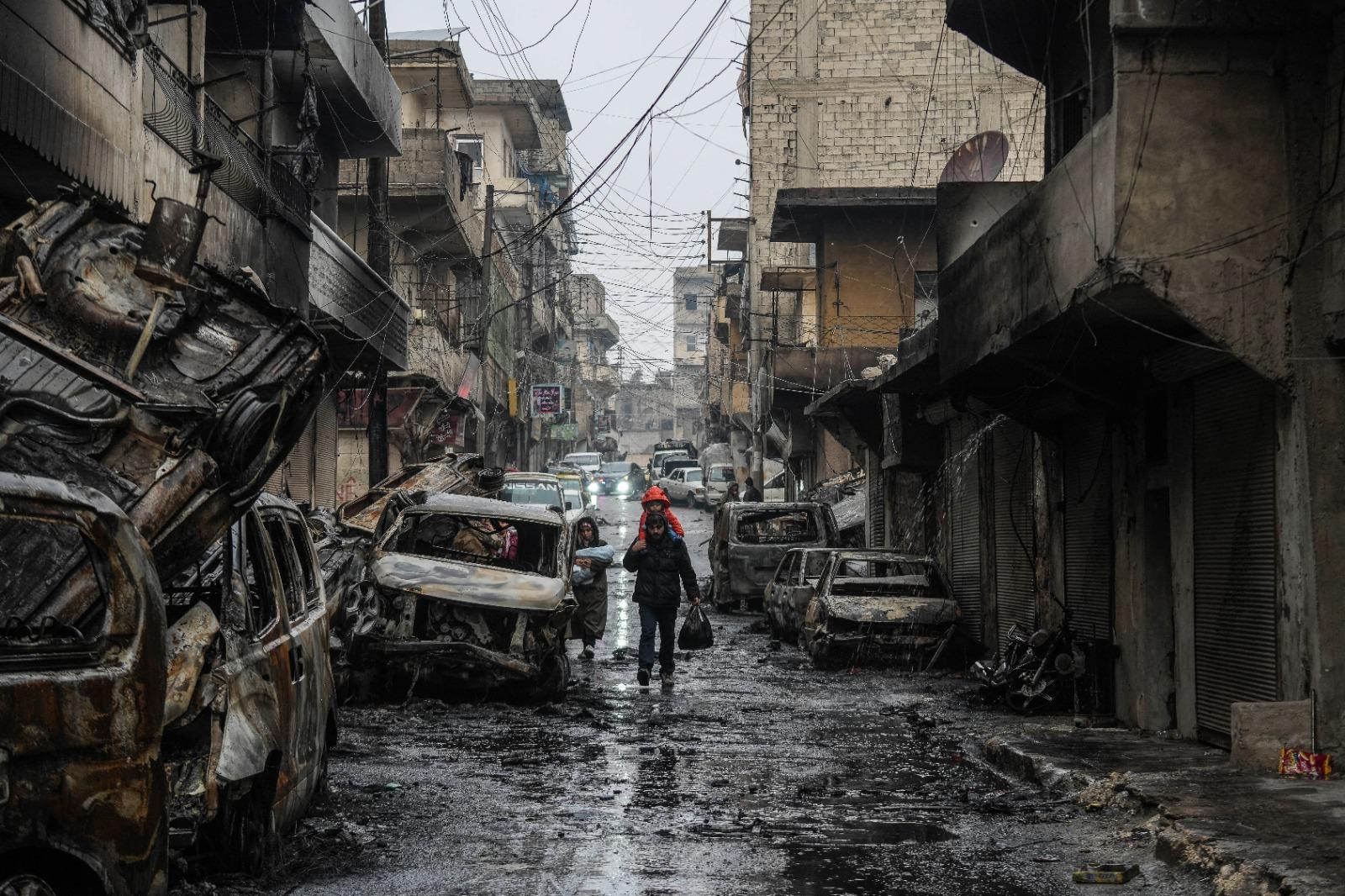
The deal followed “a sharp escalation in mid-January,” when Syrian government forces and affiliated armed groups seized territory previously held by SDF forces in eastern Aleppo, Raqqa, Deir ez-Zor, and the Kurdish-majority Hasaka province in northeast Syria, known as Rojava. Rudaw said the SDF, which serves as the de facto military force in Rojava and remains a key partner of the US-led Global Coalition to Defeat ISIS, had controlled these areas since expelling the extremist group during the war against it.
Under the agreement, Rudaw said “a permanent and comprehensive ceasefire was established,” along with provisions calling for integration of civil and military institutions in Rojava into the Syrian state. Rudaw also reported that since implementation, “several SDF-linked figures have already assumed government roles,” including positions within defense and internal security structures and local administration posts in Hasaka province, while noting that Olabi acknowledged “different views exist within the SDF.”
Voices: gratitude, caution, and reform
The Le Monde report framed the agreement as de-escalation and integration, quoting Kurdish and international reactions after the “comprehensive agreement for the gradual integration of the military forces and the administration of the Kurdish autonomous zone into the Syrian state” announced on Friday, January 30. On X, Elham Ahmed, a senior leader of the Kurdish autonomous administration, expressed “deep gratitude to the mediators,” notably “the United States and France, which have delivered considerable efforts” to reach this agreement. Le Monde said the United States hailed a “historic step” in the unification of Syria, and that France, through President Emmanuel Macron, “congratulated” the two sides and stated that it would “fully support” the implementation of the agreement.
Le Monde also quoted Nechirvan Barzani, the president of the Iraqi Kurdistan Autonomous Region, saying: “We hope [that this agreement] will serve as a framework for the reconstruction of a unified Syria, for the safeguarding of the rights of the Kurdish people and of all other groups in the future Constitution.” In contrast, TV5MONDE described the agreement as “fragile,” quoting Boris James, author of Les Kurdes : un peuple sans État, saying the global agreement remains “fragile.”
TV5MONDE also quoted Pascal Torre, coprésident de l’association France Kurdistan, describing the Kurdish political project as “la démocratie directe,” and said it is “à l’opposé de la politique autoritaire du président syrien.” TV5MONDE placed the agreement in a wider timeline of fighting, saying Ahmed al-Charaa launched an offensive in early January to extend authority over Kurdish-administered territories near the Turkish border at Qamishli, Hassaké and Kobané, and that a ceasefire was concluded on “le 18 janvier.”
How outlets frame the same deal
Across the reporting, outlets described the same Damascus-SDF “global” or “comprehensive” agreement with different emphases on speed, autonomy, and implementation. France 24 said the Syrian government and the Kurds announced on Friday, January 30 a “global” agreement, with “First consequence: the Kurdish forces and administration will be gradually integrated into the Syrian state,” and it reported that “The security forces of Damascus will deploy in two Kurdish-controlled cities.” It also said the agreement text was first announced by the SDF and then by official Syrian television, and that U.S. special envoy Tom Barrack praised it as a “historic step.”
Le Monde similarly described a “comprehensive agreement for the gradual integration” and highlighted international endorsements, including France’s “fully support” pledge and Nechirvan Barzani’s hope for a framework in the “future Constitution.” Rudaw, however, foregrounded Damascus’s UN envoy Ibrahim Olabi’s assessment that talks are “going exceptionally well,” and it described the agreement as resolving a “situation so complex” “so easily,” while also stressing a “permanent and comprehensive ceasefire.”
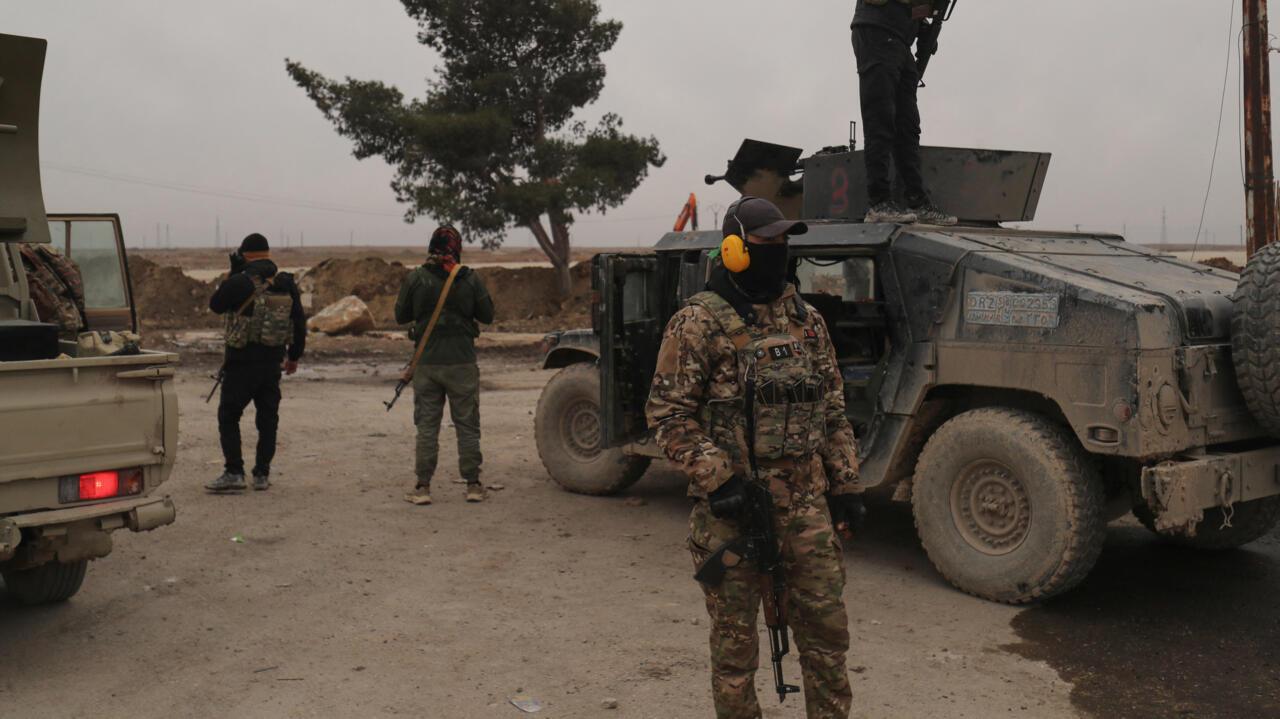
TV5MONDE, by contrast, emphasized fragility and the political implications for Kurdish autonomy, saying the agreement “fragilise” autonomy and that since the “2 février” security convoys from the Ministry of the Interior have been arriving in Qamishli, Hassaké and Kobané. RFI’s account added operational details, saying the Damascus security forces will deploy in “two cities controlled by the Kurds,” while Kurdish forces remain grouped within “three brigades in the Syrian army,” and that forces under the Interior Ministry will enter “the centers of Hasakeh and Qamishli.”
Detainee releases and next steps
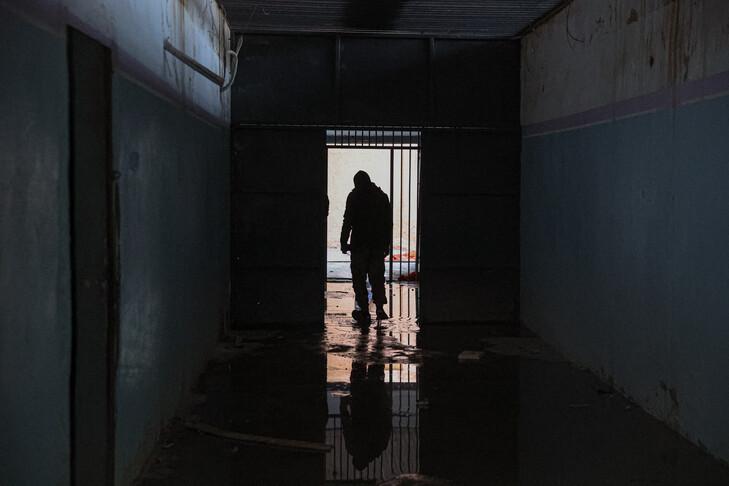
Implementation of the January 29 agreement has also included detainee releases from SDF prisons, according to Anadolu Ajansı. The Anadolu report says Ahmed Al-Halali, the spokesman for the Presidential Team, announced the release of “1,500 detainees from SDF prisons” carried out “in four batches,” as part of implementing the January 29 agreement between the government and the organization. It states that “about 500 detainees remain whose files will be reviewed in the coming period,” and it describes the release as “without conditions.”
Al-Halali told the Syrian channel Al-Ikhbariya that the “file of detainees held by the SDF is a humanitarian file,” and that understandings provide that “the prisons under SDF control will be handed over to the authorities responsible for managing prisons in the Ministries of Justice and Interior.” The report says Al-Halali disclosed that “1,500 detainees have been released from SDF prisons and about 500 detainees remain to be reviewed,” and it adds that “the detainee file will be closed by handing over all SDF prisons in Hasakah and no detention will remain outside the law.”
Anadolu also reported that a “new batch will be released next week” to continue previous steps, and it provided batch details including “91 detainees” in the third batch and “400 detainees” in the second batch. It further said the Presidential Team stressed that the “January 29 agreement” remains in effect, focusing on “releasing detainees and returning the displaced to their homes.”