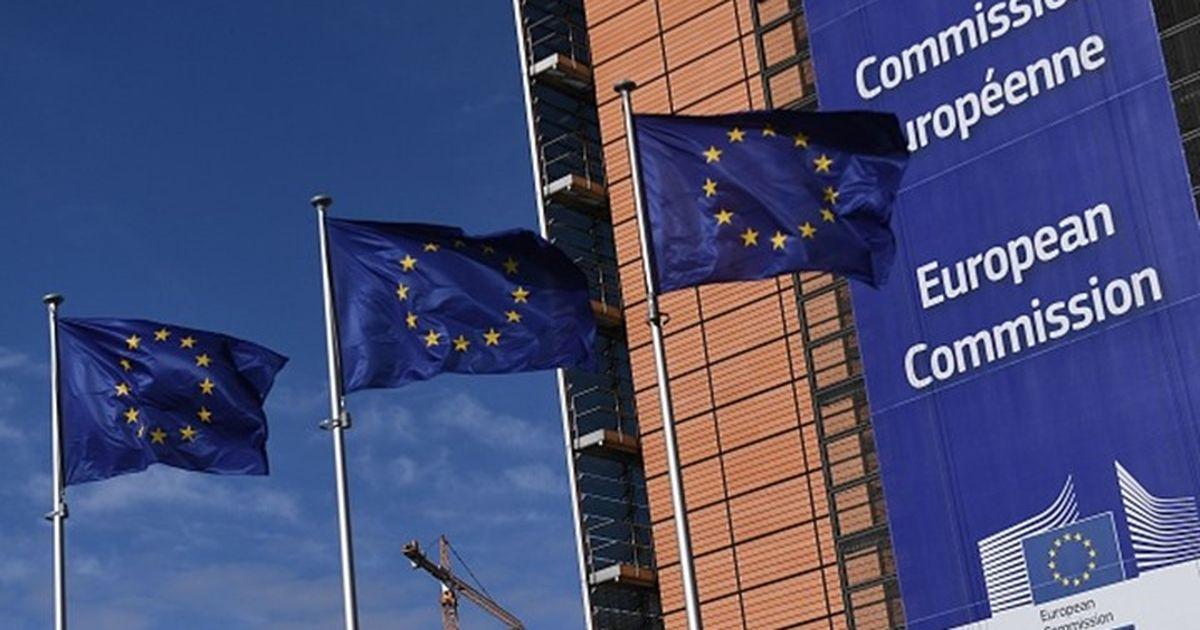
European Commission Proposes Full Resumption of 1978 EU-Syria Cooperation Agreement
Key Takeaways
- European Commission proposes full resumption of the 1978 EU–Syria Cooperation Agreement.
- Removes most customs duties on Syrian industrial goods entering the EU.
- Deepens economic and political ties and supports Syria’s reconstruction.
EU revives 1978 accord
The European Commission proposed reactivating and fully resuming the EU–Syria Cooperation Agreement, originally in force since 1978, as part of a new phase in relations between the European Union and Syria.
In a statement carried by Al-Jazeera Net, the Commission said the proposal aims to bolster the transitional phase in the country and its reconstruction after “15 years of war,” describing the step as a complement to a new cooperation framework announced by Commission President Ursula von der Leyen in January.

The Commission said Brussels seeks to reactivate the cooperation agreement between the EU’s 27 member states and Syria to facilitate a “peaceful and comprehensive transition” led by Syria, respond to humanitarian needs, and contribute to efforts for economic recovery.
The proposal also targets trade provisions: the agreement “eliminates tariffs on most industrial products of Syrian origin when imported from the EU” and “prohibits quantitative restrictions on both sides,” according to the Commission statement cited by Al-Jazeera Net.
Anadolu Ajansı similarly reported that the updated approach aims to support a “peaceful and inclusive, Syria-led transition,” address humanitarian needs and contribute to the country’s economic recovery, and said the agreement serves as a framework for economic and social cooperation.
France 24 framed the move as a step to strengthen the partnership ahead of formal talks with Syrian authorities in May, while noting that it remains subject to approval by the European Council.
The Commission’s proposal is also scheduled to feed into a specific diplomatic timetable: Al-Jazeera Net said the step carries an “important political message ahead of the high-level political dialogue between the EU and Syria, scheduled for May 11,” and Anadolu Ajansı likewise said it comes ahead of the EU–Syria High-Level Political Dialogue scheduled for May 11.
Why the EU is moving
The Commission’s proposal comes after the cooperation agreement had been suspended in 2011, with the suspension tied in the sources to human rights violations committed by the regime of Bashar al-Assad.
Al-Jazeera Net said the cooperation agreement between the EU and Syria was “suspended in 2011 due to human rights violations committed by the regime of the deposed Syrian president Bashar al-Assad,” and it described the current initiative as a response to a changed political landscape after the ousting of Bashar al-Assad by the end of 2024.

TRT عربي and عربي21 both described the 2011 suspension as being due to human rights abuses committed by the former Assad regime, and عربي21 added that the Commission sent a proposal to resume operation of the agreement concluded in 1978.
Multiple sources also connect the new EU step to the lifting of economic sanctions and to von der Leyen’s engagement with Damascus.
Al-Jazeera Net said that in March 2025 the European Union pledged “about 2.5 billion euros” to Syria over two years, and it also cited World Bank estimates that the cost of rebuilding Syria would reach “216 billion dollars.”
Caliber.Az and Anadolu Ajansı tied the renewed momentum to “the lifting of all economic sanctions on Syria in May 2025” and to von der Leyen’s visit to Damascus in January 2026, while Türkiye Today and Middle East Online described Syria as seeking broader integration after most Western sanctions were lifted at the end of 2024.
The sources also place the EU’s proposal within a broader policy shift that includes new cooperation frameworks and financial support packages.
Trade, refugees, and corridors
Beyond the legal mechanics of resuming the agreement, the sources describe a set of policy priorities the EU intends to pursue alongside the trade provisions.
“EU proposes full resumption of cooperation agreement with Syria Agreement promotes economic, social cooperation, removing customs duties on most Syrian industrial goods entering bloc Melike Pala 20 April 2026•Update: 20 April 2026 BRUSSELS The European Commission proposed Monday the full resumption of the EU-Syria Cooperation Agreement, signaling renewed momentum in relations between the bloc and Syria”
Middle East Online said the EU is expected to work with Syrian authorities on facilitating the “safe, voluntary and dignified return” of refugees and displaced people, and it added that Europe hosts “over 1 million Syrian refugees and asylum seekers,” with “roughly half of whom are in Germany.”
It also described the EU’s interest in stepping up economic engagement through a framework for trade and investment, mobilising private sector funding, and supporting reforms to improve Syria’s business environment through a new technical assistance hub.
The same outlet linked the EU’s economic strategy to regional connectivity projects, saying Syria could be positioned as a hub for transport, energy and digital links through the “India-Middle East-Europe Economic Corridor.”
Middle East Online also connected Syria’s transit role to disruptions from the Iran war, stating that Syria is emerging as a critical transit point “particularly amid the energy crisis triggered by the closure of the Strait of Hormuz during the Iran war.”
On transport infrastructure, Middle East Online reported that “Turkey, Syria and Jordan have also agreed to upgrade their railway networks to create a corridor linking southern Europe to the Gulf,” citing Turkish transport minister Abdulkadir Uraloglu.
The sources also described security and governance cooperation as part of the broader engagement, with Middle East Online saying the EU could support training for Syrian police and institutional capacity-building in the interior ministry, alongside cooperation on counterterrorism and efforts to address drug trafficking and organised crime.
Voices and political framing
While the Commission statement itself is the central quoted material in several reports, the sources also include named officials and advocates who frame what the EU’s move means for accountability, transition, and the mechanics of engagement.
Al-Jazeera Net described the Commission’s intent to send a “political message” ahead of the high-level political dialogue scheduled for May 11, and it said that after the proposal is officially adopted by the Council of the European Union, Syrian authorities will be informed.
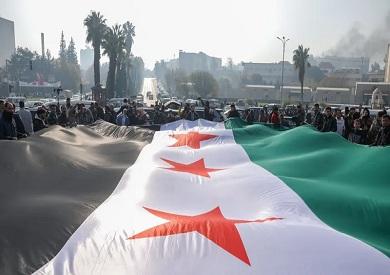
In parallel, Kurdistan24 said a document seen by Reuters outlined that the EU plans to fully restore the agreement and initiate a High-Level Political Dialogue with Syria’s transitional authorities on May 11, defining the dialogue as “formal and structured talks.”
Kurdistan24 also said the proposal outlines plans to “reframe and adapt” the EU’s sanctions regime, aiming to maintain leverage while engaging with Syria’s leadership and targeting actors seen as obstructing the political transition.
Middle East Online described the EU’s approach as part of a broader effort to rebuild relations after Assad was removed from power, and it said Syria is seeking broader integration under President Ahmed al-Sharaa, who headed an alliance of Islamist rebel factions to oust Bashar al-Assad at the end of 2024 after a “14-year war.”
Türkiye Today added that EU diplomats said the move requires approval from member states and comes ahead of plans to launch a new high-level political dialogue with Syria next month.
Al-Jazeera Net said EU foreign ministers will discuss the matter on Tuesday in Luxembourg, according to diplomatic sources, and it also referenced von der Leyen’s January pledge after meeting Ahmad al-Shar‘ in Damascus.
What happens next
The sources portray the EU’s proposal as a step that must clear formal hurdles before it changes day-to-day cooperation with Syria.
“The European Commission hasproposedthe full resumption of the EU–Syria Cooperation Agreement, marking a new step in relations between both sides”
Al-Jazeera Net said the Commission clarified that after the proposal is officially adopted by the Council of the European Union, Syrian authorities will be informed, and it emphasized that the step carries an important political message ahead of the May 11 dialogue.

Türkiye Today similarly said EU diplomats stated the move requires approval from member states and comes ahead of plans to launch a new high-level political dialogue with Syria next month, while France 24 said the proposal will still require formal approval from the European Council before it enters into force.
Anadolu Ajansı described the same sequence, stating that the proposal now requires formal adoption by the EU Council and subsequent notification to Syria’s transitional authorities.
Kurdistan24 added that the proposal will require formal approval by the European Council before implementation, and it described the EU’s plan to “reframe and adapt” the sanctions regime as part of the transition strategy.
The sources also show that the EU’s engagement is tied to specific developments on the ground in Syria, including political appointments and security arrangements.
In the economic and connectivity domain, Middle East Online reported that “A first tanker carrying Iraqi oil transported overland sailed from the Syrian port of Baniyas last Thursday,” and it also said Turkey, Syria and Jordan agreed to upgrade railway networks to create a corridor linking southern Europe to the Gulf.
More on Syria
Israel Formalizes “Yellow Line” as Advanced Defense Line in Southern Lebanon
22 sources compared
Israeli Forces Station Equipment at Tel Al-Ahmar in Syria’s Quneitra Governorate
15 sources compared
Syria Takes Full Control Of Qasrak Air Base After US Forces Withdraw From Hasakah
29 sources compared

International Court Rejects Sudan's Genocide Case Against United Arab Emirates
11 sources compared