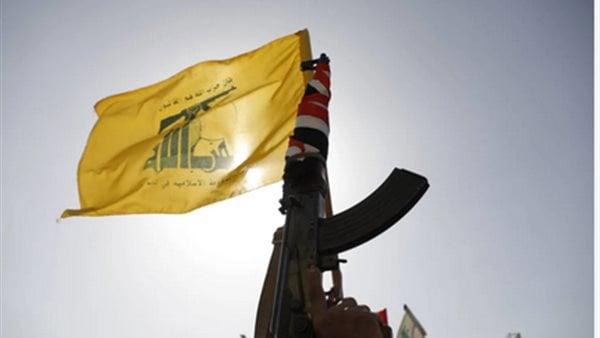
Israel Formalizes “Yellow Line” as Advanced Defense Line in Southern Lebanon
Key Takeaways
- Israel formally announces a Yellow Line expanding border defense into southern Lebanon.
- Line includes dozens of villages, signaling ongoing Israeli presence in the border zone.
- Ceasefire in effect for 10 days as line deployment unfolds.
Israel’s “Yellow Line”
Israel has moved to formalize a “Yellow Line” in southern Lebanon, describing it as an “advanced defense line” while keeping forces operating in a border security zone despite a 10-day ceasefire.
Al Jazeera reports that the “Yellow Line” is a “forward defense zone” through which Israel seeks to prevent potential attacks, and it frames the concept as a geographic and technological attempt to impose a new security reality.

In the Al Jazeera account, the military significance centers on full control of Mount Hermon on its Syrian and Lebanese sides, which the report says stands at 2,800 meters and provides “a broad geographic surveillance advantage” over areas including Damascus, “located just 40 kilometers away.”
The same Al Jazeera piece says the Yellow Line in Syria extends “spanning more than 23,000 hectares,” from the meeting point of the Jordanian border with the occupied Golan to Mount Hermon, and it adds that the line used to be occupied by the United Nations Disengagement Observer Force.
In Lebanon, Al Jazeera says the Yellow Line runs along the border strip “to a depth of up to 10 kilometers” and “an area exceeding 65,000 hectares,” reaching the Mediterranean Sea.
The Al Jazeera report also links the terrain plan to the Qana gas field, saying Israel seeks to turn the area into “an advanced technical center” for radar, eavesdropping, early warning systems, and communication towers.
In parallel, Anadolu Ajansı says the Israeli army released a map of a “forward defense line” and that Defense Minister Israel Katz said the incursion extends “about 10 kilometers into Lebanese territory,” with the stated goal of preventing “direct threats” to northern Israeli communities.
Ceasefire, maps, and depth
The “Yellow Line” announcement arrived alongside a ceasefire that, according to multiple reports, did not require Israel to withdraw from the zone it is creating.
Pakistan Today says Israel accepted the truce that “took effect on Friday,” but would keep a “10-kilometre (six-mile) deep security zone along the border in southern Lebanon,” and it adds that on Saturday “the Israeli military said a Yellow Line had been established in the south of the country.”

It also says the Israeli military released a map showing a “forward defence line running from the Mediterranean coast in the west to Lebanon’s frontier with Syria in the east,” and that “five divisions, together with navy forces” were operating to dismantle Hezbollah infrastructure and prevent direct threats to communities in northern Israel.
Anadolu Ajansı similarly describes a map of a “forward defense line,” saying the area of Israeli incursion extends eastward to the “Cristofani Ridge,” about 12 kilometers from Mount Hermon, and that it reaches “the town of Khiam and the Beaufort area in central southern Lebanon,” and “Ras al-Bayda in the west.”
Anadolu Ajansı also says the military did not specify the total size of the area, but it cites Katz saying the incursion extends about 10 kilometers, and it quotes a military statement that the goal is to prevent “direct threats” to northern Israeli communities.
Al Jazeera adds that the 10-day ceasefire started on Thursday night after “46 days of Israeli bombardment and a ground invasion in southern Lebanon,” and it reports that within hours Israeli forces were carrying out demolitions, artillery shelling, and land-clearing operations in border areas.
In Al Jazeera’s account, Netanyahu said Israeli forces “are remaining in Lebanon in a reinforced security buffer zone,” and he described it as “This is a security strip ten kilometres deep, which is much stronger, more intense, more continuous and more solid than what we had previously.”
Hezbollah and Lebanon reject
Hezbollah and Lebanon have rejected Israel’s “Yellow Line,” framing it as an occupation of sovereign territory and as an expansion of Israeli control rather than a temporary security measure.
“The areas designated by Israeli Prime Minister Benjamin Netanyahu as the 'Yellow Line' in the southern parts of Syria and Lebanon are gaining exceptional military and strategic importance, extending beyond mere field deployment to an attempt to impose a new security reality based on geographic and technological superiority”
Pakistan Today says Hezbollah rejected the move, while Lebanon said planned talks aim to end hostilities and Israeli occupation in the south, and it reports that Lebanese President Joseph Aoun said on Monday that direct talks planned with Israel were intended to end hostilities and Israel’s occupation in the south.
Under the terms of the truce described by Pakistan Today, it says the ceasefire “do not mention an Israeli withdrawal from Lebanon,” and it adds that Israel retains the right to keep targeting Hezbollah to prevent planned, imminent or ongoing attacks.
Pakistan Today also quotes Hezbollah lawmaker Hassan Fadlallah saying, “We will bring down this Yellow Line through the resistance (Hezbollah), with our insistence on our legitimate right to defend ourselves and our country,” and it adds that he said Israel would not be able to impose any buffer zone in southern Lebanon and that Hezbollah would force Israeli troops out if they remained “on any inch of our territory.”
Al Jazeera’s ceasefire analysis similarly says Lebanon and Hezbollah have rejected the move as an occupation of sovereign territory that they say violates the very premise of a ceasefire.
In Al Jazeera’s account, it quotes Netanyahu’s position that Israeli forces are remaining in a reinforced security buffer zone, while it says Israeli officials intend to keep the zone under military control and reserve the right to strike it to root out Hezbollah.
The Al Jazeera report also describes Hezbollah’s condemnation of the ceasefire agreement as “an insult to our country” and “a slippery slope with no end in sight.”
Residents trapped in the zone
The sources describe the “Yellow Line” as translating into immediate restrictions on civilian access and displacement in southern Lebanon.
L’Orient Today says Israel officially announced a “yellow line” that includes dozens of south Lebanon villages, describing it as its “advanced defense line,” and it reports that the zone spans “several hundred square kilometers” and extends “up to eight to 10 kilozmeters into Lebanese territory, south of the Litani River.”

It adds that while Israeli forces had already been targeting these areas since the outbreak of the latest war with Hezbollah on March 2, the announcement “effectively formalizes control over a strip of land that some residents fear they may never be able to return to.”
L’Orient Today also states that “Dozens of villages in south Lebanon have become completely inaccessible to civilians,” and it says “More than a million Lebanese have been displaced by Israeli attacks and threats since the war began.”
Anadolu Ajansı provides a broader operational picture, saying Israeli media reported that Israeli forces are present in about “55 towns and villages in southern Lebanon,” and it lists towns and villages including Naqoura, Shaqra, Aita al-Shaab, Bint Jbeil, and Adaisseh as part of the area between the “yellow” and “blue” lines.
Pakistan Today adds that the zone includes border villages destroyed or badly damaged after an earlier round of fighting between Israel and Hezbollah began in 2023, and it says “Most residents have left the area,” while people in some Christian villages have remained despite Israeli army evacuation orders.
Al Jazeera’s ceasefire analysis also says Israeli officials intend to keep the zone under military control and that “residents will not be allowed to return to 55 Lebanese towns and villages within that area.”
Escalation and future control
Beyond the initial “Yellow Line” announcement, multiple reports describe Israeli moves to expand and reinforce military presence in Lebanon, while Western leaders urge avoidance of a wider ground operation.
Saraha News says the Israeli occupation army announced on Tuesday the deployment of additional forces in Lebanon as part of efforts to bolster its forward defensive posture, describing the purpose as “removing threats and creating an additional layer of security for residents of northern Israel against Hezbollah threats.”
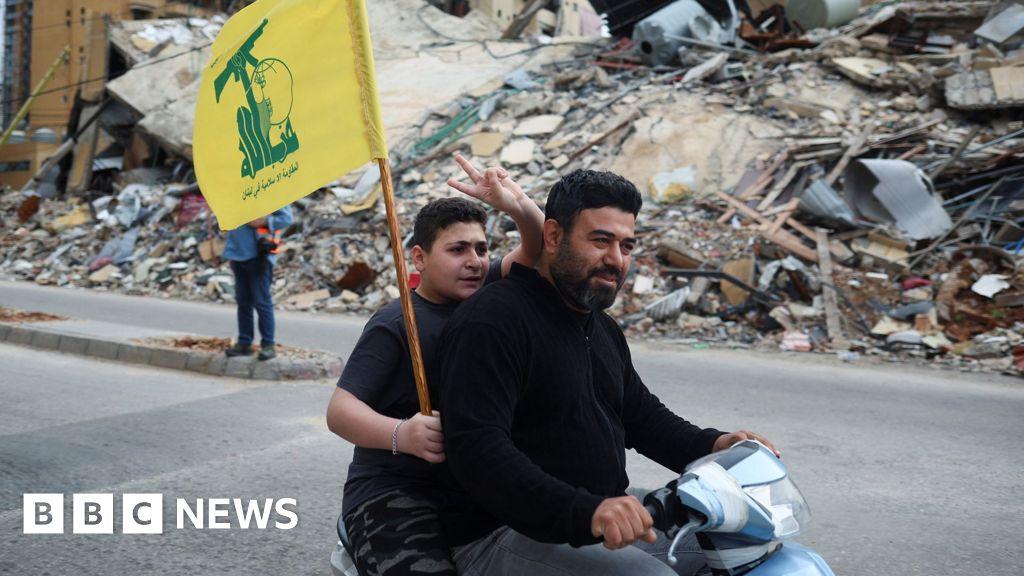
It adds that Western leaders of five countries—Canada, France, Germany, Italy, and the United Kingdom—issued a joint statement on Monday stressing the need to “avoid” a wide-scale Israeli ground assault, warning it “would have devastating humanitarian consequences and could lead to a long-running conflict.”
Saraha News also says the Israeli army began a “limited and targeted” ground operation in southern Lebanon, and it quotes an Israeli statement that forces of the “91st Division” began in recent days to carry out a focused ground operation targeting “principal objectives” in southern Lebanon to expand the forward defense zone along the northern border.
Elnashra reports that the Israeli Public Broadcasting Corporation, citing sources, confirmed that close aides to Prime Minister Benjamin Netanyahu are pressing to reinforce the Israeli military presence in Lebanon, and it includes Netanyahu’s statement that “Our forces will continue to operate in the security belt area in Lebanon to thwart threats directed at them and at our towns.”
Another report, from مَبْتدا, says close associates of Netanyahu are pushing to increase and strengthen the Israeli military presence in Lebanon, and it claims the army is establishing “18 new deployment points in southern Lebanon” and that Netanyahu stressed expanding the Israeli military presence “to a depth of about 7 kilometers.”
The Anadolu Ajansı report adds a longer-term intent, saying Katz said Friday that Israel intends to maintain control over all areas it has occupied in southern Lebanon during the latest offensive.
More on Syria
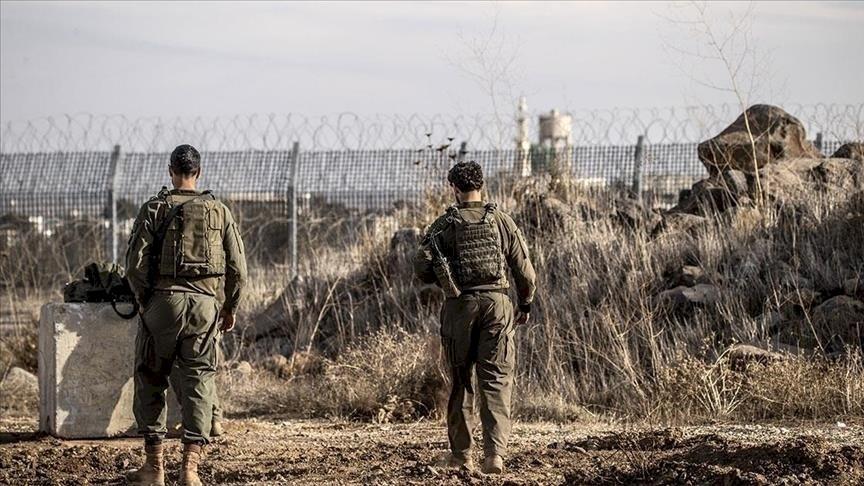
Israeli Forces Station Equipment at Tel Al-Ahmar in Syria’s Quneitra Governorate
15 sources compared
Syria Takes Full Control Of Qasrak Air Base After US Forces Withdraw From Hasakah
29 sources compared

International Court Rejects Sudan's Genocide Case Against United Arab Emirates
11 sources compared
French Court Convicts Lafarge Of Financing ISIS To Keep Syrian Plant Operating
30 sources compared