Sudan05 May, 20251 min read
International Court Rejects Sudan's Genocide Case Against United Arab Emirates
This article is an automated aggregation of coverage from news outlets. Our editorials offer in-depth analysis curated by the NewsCord team.
ICJ dismissed Sudan's genocide claim against UAE for lack of jurisdiction. Court rejected provisional measures and removed the case from its general list.

ICJ Dismisses Sudan's Genocide Suit
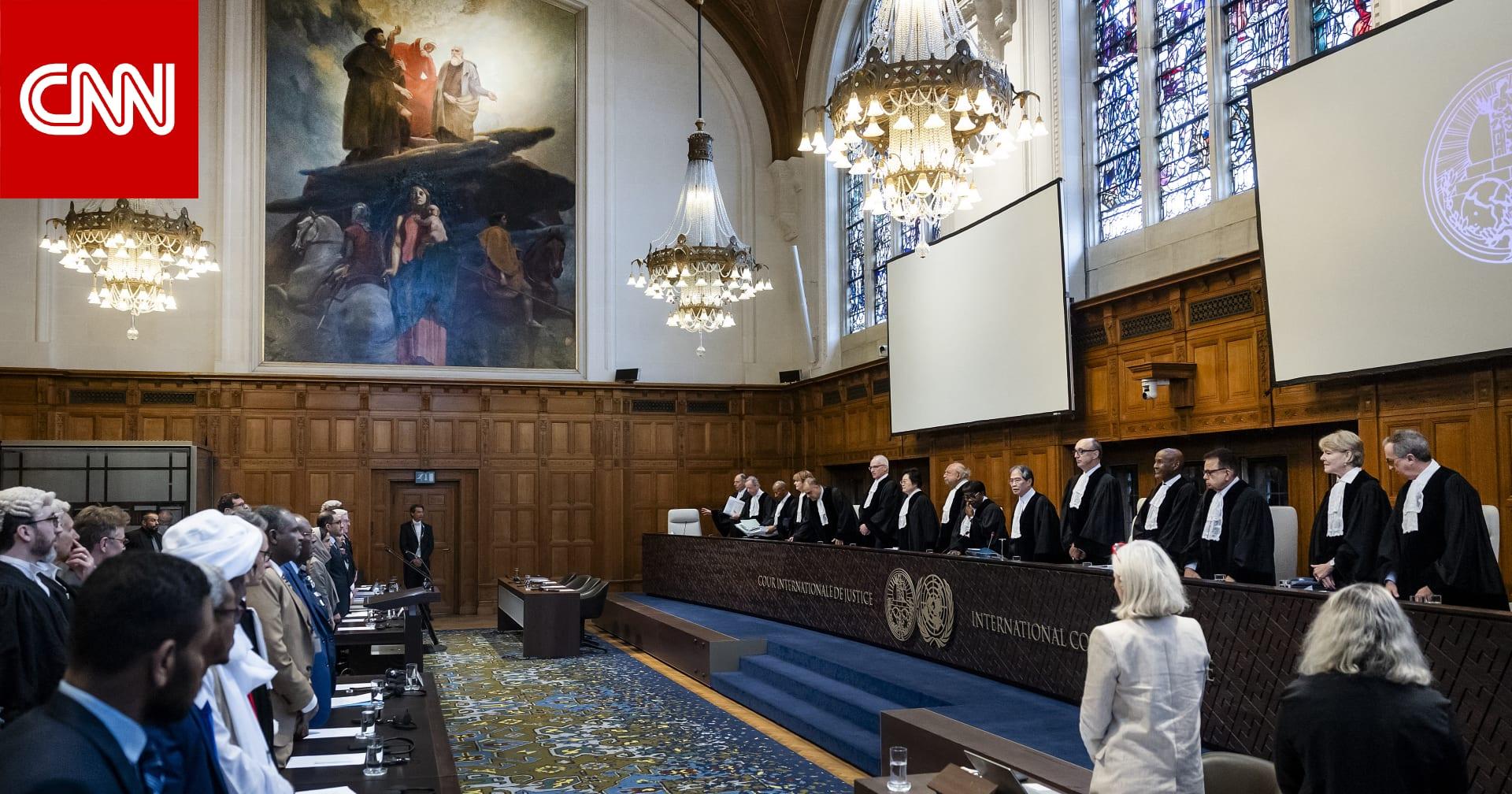
The ICJ dismissed Sudan's lawsuit accusing the UAE of complicity in genocide in Darfur. The court voted 14 to 2 to reject Sudan's request for provisional measures and 9 to 7 to strike the case from its list. The UAE welcomed the decision as a clear and decisive affirmation that the case was utterly baseless.
Sudan's Minister of Culture and Information vowed to knock on every door. The ruling came amid a two-year civil war that has killed tens of thousands and displaced at least 13 million people.
UAE's Reservation Blocks ICJ
The ICJ's dismissal was based on the UAE's reservation to Article IX of the Genocide Convention. The court acknowledged it was deeply concerned about the humanitarian catastrophe in Sudan. The Raoul Wallenberg Centre called the decision a travesty.
16 states have inserted blanket reservations including the UAE. The UK has argued such broad reservations may be incompatible with the convention.

Divergent Death Toll Estimates
The death toll from the war in Sudan remains disputed. The UN panel found no evidence the UAE was arming the RSF. The ICJ ruling was based solely on jurisdictional grounds.
The Raoul Wallenberg Centre warned that to be silent now is to be complicit. About 25 million people are facing severe hunger.
Legal and Political Implications
The ICJ's decision has sparked debate over the use of reservations. Some judges were willing to reconsider ICJ case-law on reservations. Sudan's case highlighted challenges of applying the Genocide Convention's categories.
Previous bodies investigating Darfur had reinforced processes of racialization. The UAE called for an unconditional end to the war.