Technology and Science23 May, 20263 min read
Three Red Cross Volunteers Die From Suspected Ebola in Democratic Republic of the Congo's Ituri
Three Red Cross volunteers died from suspected Ebola in eastern Democratic Republic of the Congo. They likely contracted Ebola while handling dead bodies in Ituri's Mongbwalu morgue.
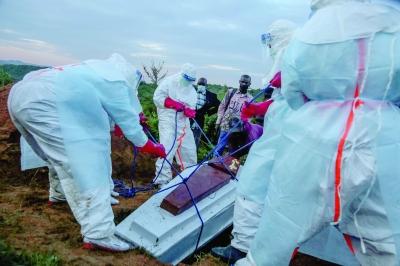
Volunteers Die in Ituri
Three Red Cross volunteers died in the Democratic Republic of the Congo after contracting suspected Ebola while managing dead bodies in the eastern region of Ituri, with the deaths occurring between May 5 and May 16.
The volunteers were identified as Alikana Udumusi Augustin, Sezabo Katanabo, and Ajiko Chandiru Viviane, and the International Federation of Red Cross and Red Crescent Societies said they were carrying out dead body management activities on March 27 as part of a humanitarian mission unrelated to Ebola.
The World Health Organization raised the public health risk in the DRC from “high” to “very high,” while WHO chief Dr. Tedros Adhanom Ghebreyesus said the risk in the wider African region is “high” but remains “low” globally.
In response to the outbreak, the DRC government suspended all commercial and private flights to and from Bunia, the provincial capital of Ituri, authorizing only humanitarian, medical, or emergency flights after special approval from aviation and health authorities.
The outbreak involves the Bundibugyo strain of Ebola, which has no proven vaccine and kills about a third of those infected, according to Oz Arab Media.
Risk Escalates, Cases Spread
The Africa Centers for Disease Control and Prevention warned that 10 African countries are at risk of being affected by Ebola, with Jean Kaseya listing Angola, Burundi, the Central African Republic, the Republic of Congo, Ethiopia, Kenya, Rwanda, South Sudan, Tanzania, and Zambia. Uganda confirmed three new Ebola cases on Saturday, bringing its total confirmed infections to five, and the Health Ministry named the new patients as a Ugandan driver, a Ugandan health worker and a woman from the DRC. In the DRC, WHO said there were 82 confirmed cases and seven confirmed deaths, alongside almost 750 suspected cases and 177 suspected deaths, while the outbreak was described as centered on conflict-wracked eastern DRC in Ituri province before spreading to South Kivu.
The UN system said the WHO raised the national risk assessment for DRC to “very high” while the global risk remains “low,” and it reported that nearly 750 suspected cases and 177 suspected deaths had been reported. The UN also said the outbreak is unfolding amid intensified fighting, mass displacement and deep mistrust of outside authorities, fuelled by rumours and misinformation, and it cited a hospital in Ituri province set on fire by angry relatives after authorities refused to release the body of a deceased family member.

Attacks, Trust, and Funding
In Mongbwalu, a town at the centre of the outbreak of the Bundibugyo virus, a tent used for treatment of suspected and confirmed Ebola cases by Doctors Without Borders was set on fire for the second time this week, and 18 people suspected of infection left and were unaccounted for, a local hospital director said.
Dr. Richard Lokudi, director of the Mongbwalu General Referral Hospital, said the fire “resulted in the escape of 18 suspected cases into the community,” and he described staff panic at the Mongbwalu Referral Hospital.
On Thursday, another treatment centre in the town of Rwampara was burned down after family members were prohibited from retrieving the body of a local man suspected to have died of Ebola, and authorities banned funeral wakes and gatherings of more than 50 people to curb spread.
The UN said it was rushing emergency personnel, funding and supplies into eastern DRC, including deploying 22 international staff and releasing $3.9 million, while UN relief chief Tom Fletcher announced allocation of up to $60 million from the Organization’s Central Emergency Response Fund.
The UN also reported that Red Cross volunteers were going door-to-door to share information and support safe and dignified burials, and it quoted Gabriela Arenas saying “During an Ebola outbreak, trust and community acceptance can mean the difference between containment and wider transmission.”