Technology and Science03 July, 20263 min read
World Meteorological Organization Warns El Niño Will Strengthen Into Strong Event July-September
El Niño formed and will strengthen to strong intensity (level 3 of 4) July–Sept 2026. Heatwaves, droughts and heavy rainfall expected worldwide due to strengthening El Niño.

Strong El Niño Looms
The World Meteorological Organization warned that El Niño conditions have developed in the tropical Pacific and are expected to strengthen rapidly into a strong event between July and September, increasing the likelihood of extreme weather events worldwide. The WMO said its monthly Global Seasonal Climate Update points toward "a rapid development into a strong El Nino event during July-September," and it classifies El Nino events as weak, moderate, strong or very strong, with the outlook set to reach the third-highest level out of four.
WMO climate scientist Alvaro Silva told a press conference that since last month, "we have much more confidence that strong El Nino conditions are developing in the equatorial Pacific," and the agency said seasonal-average sea-surface temperature anomalies are expected to exceed 2C in key monitoring regions. The WMO also said El Nino is expected to continue strengthening during the Northern Hemisphere autumn, with its influence extending across many regions of the globe, and it noted that the last El Nino contributed to making 2023 the second-hottest year on record and 2024 the all-time high at around 1.55C above the 1850–1900 pre-industrial average.
Heat, Drought, Rain Risks
The UN weather watchdog said the El Niño alert has prompted an "unprecedented mobilization" by the WMO, its members worldwide and partners in regional climate centres to support governments with timely forecasts. WMO Secretary-General Celeste Saulo said, "This will intensify the chances of drought and heavy rainfall and the risk of heatwaves on land and marine heatwaves in many regions of the world," linking the strengthening event to multiple hazards. The WMO update predicted an overwhelming likelihood of above-average temperatures across most land areas between 60 degrees south and 60 degrees north, covering nearly all populated areas outside the polar regions.
For rainfall, the WMO said the July-to-September rainfall outlook is consistent with a strengthening El Nino, with above-normal rainfall forecast in areas including the southwestern United States and below-normal rainfall forecast across the Indian subcontinent and much of Australia. The WMO also warned that during the Northern Hemisphere summer, warm waters associated with El Nino can fuel hurricanes in the central and eastern Pacific while hindering their development in the Atlantic Ocean, and it cited Peru’s declaration of a 60-day state of emergency in 800 of its 1,800 municipalities because of the "imminent danger" of heavy rains linked to El Nino.
Preparedness and Food Security
The WMO said it was stepping up early warning support to help guide preparedness, especially in climate-sensitive sectors like agriculture and health, and it described such moves as "vital to save lives and cushion the impact on our economies and our communities." In Geneva, the WMO said its community is intensifying coordination activities, climate information services, and support for early warnings to help governments, humanitarian organizations, climate-sensitive sectors such as agriculture and health, and vulnerable populations prepare for possible impacts. The WMO forecast that seasonal mean sea-surface temperature anomalies are expected to exceed 2°C in the main monitored regions, and it said forecast models agree remarkably, providing a high degree of confidence in the outlook.
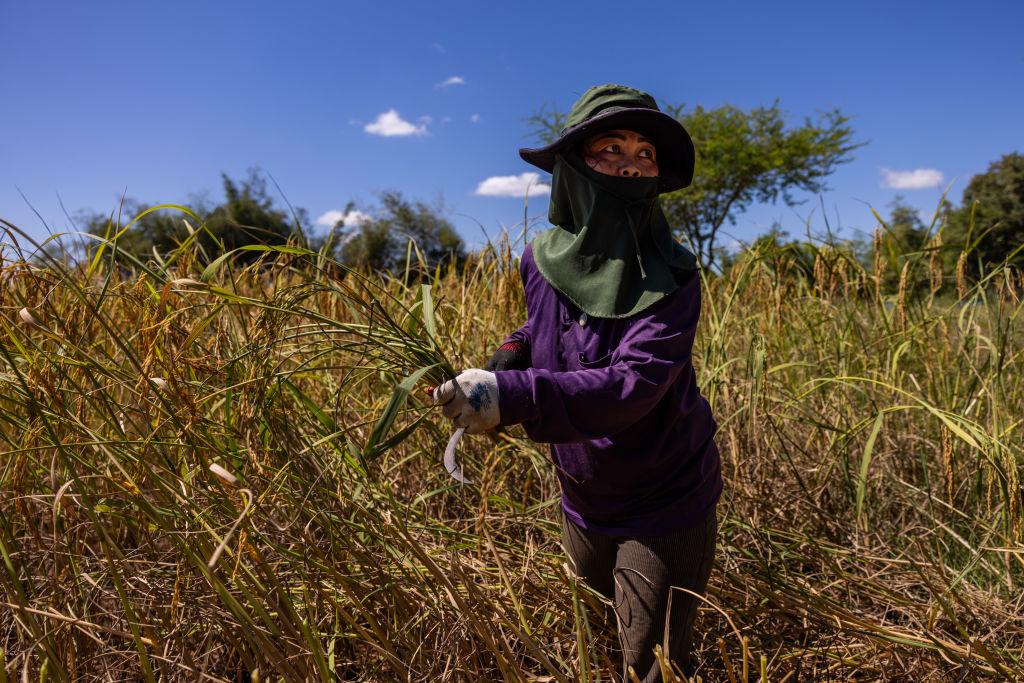
The WMO also warned that extreme weather overseas will have knock-on effects for Europe, with experts warning of potential food shortages, and it said the IHE Delft Institute for Water Education in the Netherlands warns that many staple foods imported by Europe could be at risk. The WMO-linked analysis cited by IndexBox said in Nicaragua key crops such as maize and beans may fail in already fragile areas, leading to food insecurity and income loss, while low river flows and lack of rain could mean irrigated crops in Colombia, Northeast Brazil, and India face severe restrictions or rely more on groundwater, potentially causing overexploitation and export shortages.