Technology and Science · 06 July, 2026 · 3 min read
Storm Winds Topple Statue of Liberty Replica in Guaíba, Brazil
Winds over 80 km/h toppled the 35-meter Statue of Liberty replica in Guaíba. No injuries were reported following the collapse.
Cause and wind speed stated for the Brazilian collapse.
9 of 10 outlets skipped it: liberty replica in Barcelona has inscription “Alma Libertas”..
10outlets compared
Same story, two versions
tap a side to read it in full
France 24
“Violent winds of over 80 km/h caused the Brazilian replica ... to collapse”Read the original ↗
Primera Edición
“the area was immediately isolated and safety protocols were activated.”Read the original ↗
France 24, 20 Minuten focus on winds; others add local details like Havan and isolation.
Liberty replicas, two continents
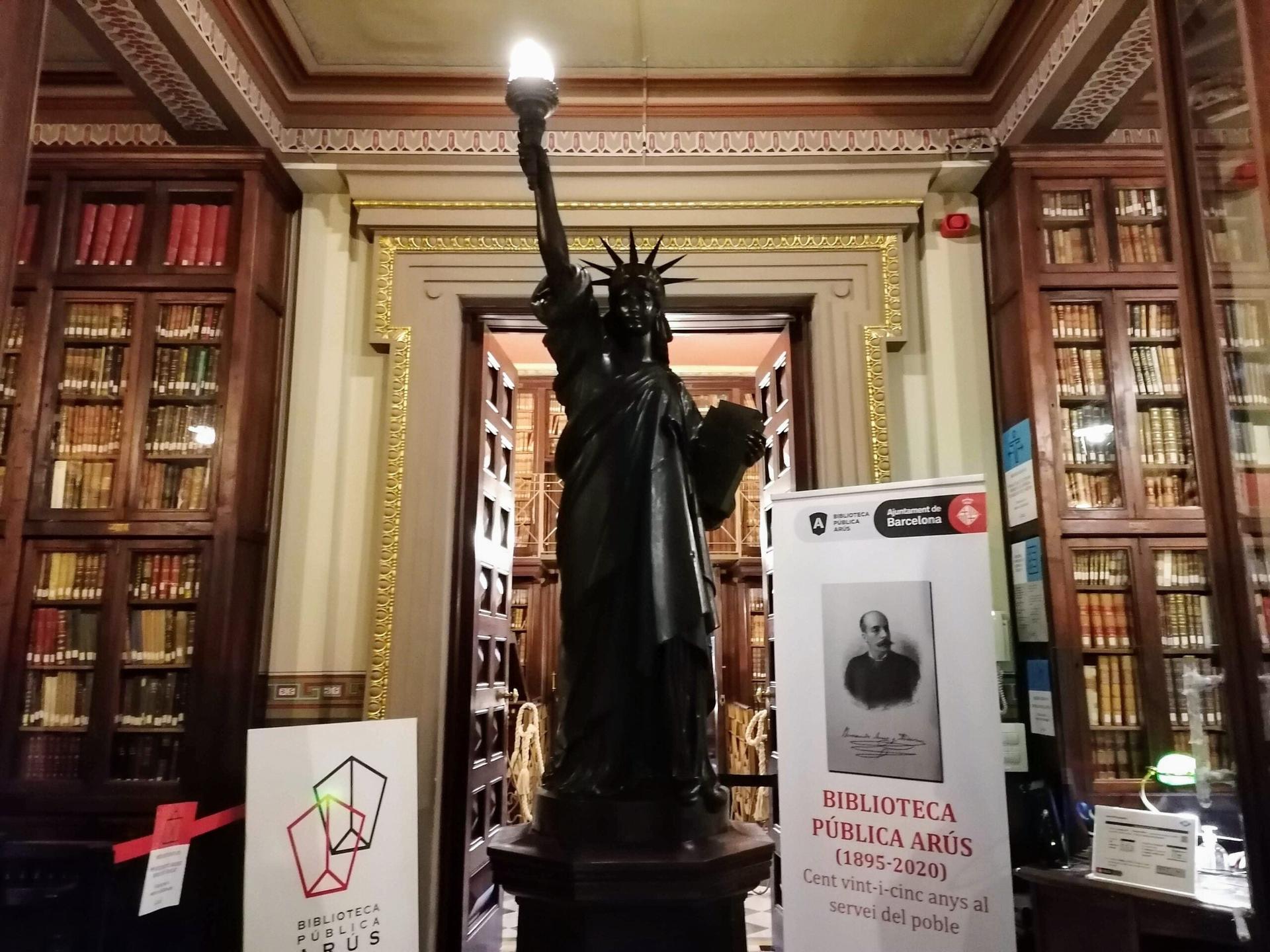
A small-scale replica of the Statue of Liberty is displayed inside the Biblioteca Pública Arús in Barcelona, where the bronze statue welcomes visitors at the back of the honor staircase. The Barcelona replica, “de poco más de dos metros,” was built by the sculptor Manuel Fuxà i Leal with help from the Italian Odoardo Luis Razzauti, and its tablet reads “Alma Libertas.” The Biblioteca Pública Arús opened in 1895 and was founded by Rossend Arús with the will “con la voluntad de instruir al pueblo de Barcelona,” and it has “más de 75.000 volúmenes” focused on research including masonería and the universe of Sherlock Holmes.
In Brazil, a different Statue of Liberty replica collapsed in Guaíba in the Porto Alegre Metropolitan Region after violent winds, with the local mayor Marcelo Maranata saying no injuries were reported. The Brazilian collapse was tied to winds exceeding 80 km/h, and the Weather Channel video described the moment a giant replica of the Statue of Liberty collapsed in southern Brazil.

Winds, alerts, and official voices
In Guaíba, the collapse of the replica was confirmed by Mayor Marcelo Maranata, who said “no injuries were reported as a result of the structure's collapse,” and the company said the area was immediately isolated and safety protocols were activated. The storm that toppled the monument was described as exceeding 90 kilometers per hour, and the region remained under Civil Defense alert due to winds that exceeded 90 kilometers per hour and the forecast of new storms for the entire metropolitan area. A severe alert was issued to all cell phones via the emergency transmission system, which interrupts any on-screen content, to warn about situations of grave or extreme disaster.
In Barcelona, the same theme of Liberty’s physical afterlife appears in the Arús library’s setting, where the statue is “Situada al fondo de la escalera de honor” and the building’s access is free while guided visits cost 19 euros with a promotion of 9,50 euros. The Arús library is part of the project de Cases singulars, and it opens habitually lunes, miércoles y viernes, de 10:00 a 15:00 horas, and martes y jueves, de 15:30 a 20:30 horas.
From Paris to space
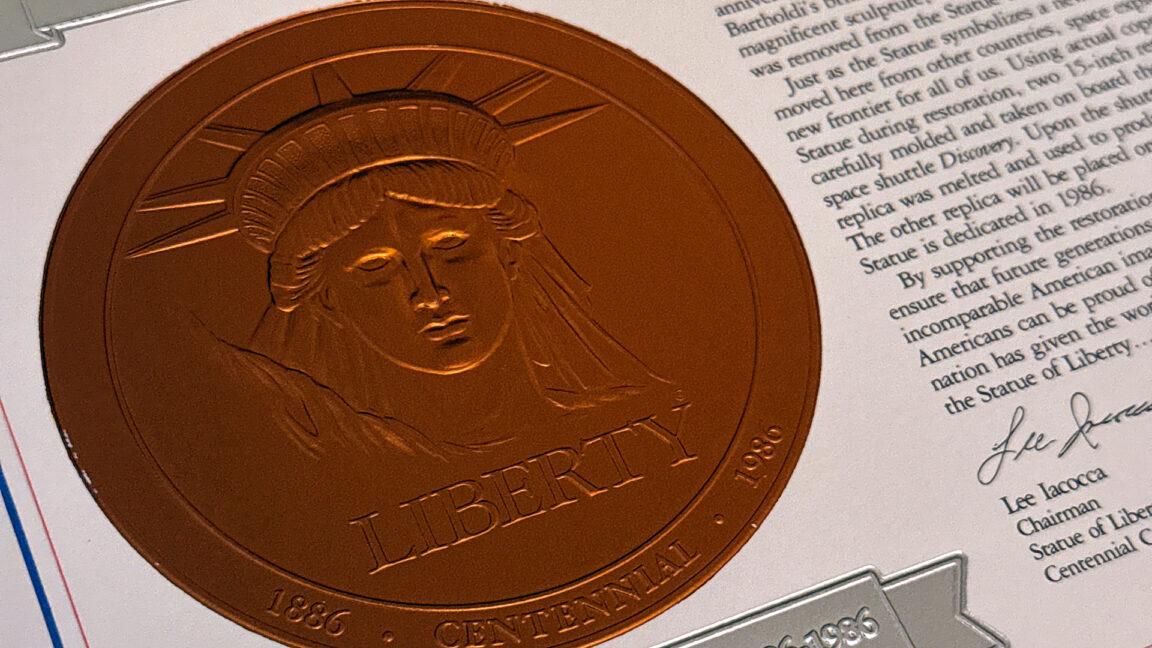
The Statue of Liberty’s story of replicas and materials reaches back to June 17, 1885, when a ship moored in the port of New York carried the monument, a gift from France to the United States to celebrate the centennial of the American Declaration of Independence. The work was entirely constructed in Paris between 1884 and 1885 in the Monceau Park district on Rue de Chazelles, and the 46-meter statue was dismantled and sent piece by piece to America where it was reassembled on Liberty Island and inaugurated on October 28, 1886. Ars Technica adds a technology twist: the space shuttle Discovery launched “two ‘Lady Liberties’” on its fourth flight in April 1985, each statue being “15 inches tall (38.1 centimeters)” and made of copper removed from the full-size statue during restoration.
After the STS-51D mission, one space-flown statue was placed on display while the other was melted down to create copper seals sold to the public by the Statue of Liberty Ellis Island Centennial Commission. The copper dated back to the statue’s original 1875 to 1884 construction, linking the monument’s 19th-century materials to a later era of spaceflight and public sale.