Technology and Science · 20 August, 2026 · 2 min read
NASA Abandons Swift Observatory Rescue After LINK Control Issues Prevent Boost
NASA and Katalyst abandon rescue after LINK attitude control issues prevent capture The plan aimed to boost Swift's orbit to avoid atmospheric reentry but failed
Most outlets align.
6 of 8 outlets skipped it: LINK attitude failure specifics: reaction wheels and thruster issues caused uncontrolled spin.
17outlets compared
Same story, two versions
tap a side to read it in full
Mashable
“ongoing problems with LINK's ‘attitude control’ system — the orientation equipment”Read the original ↗
Ars Technica
“two of the satellite’s three reaction wheels, used for attitude control, stopped working”Read the original ↗
Some outlets add engineering detail; others keep the cause high-level.
Swift rescue called off
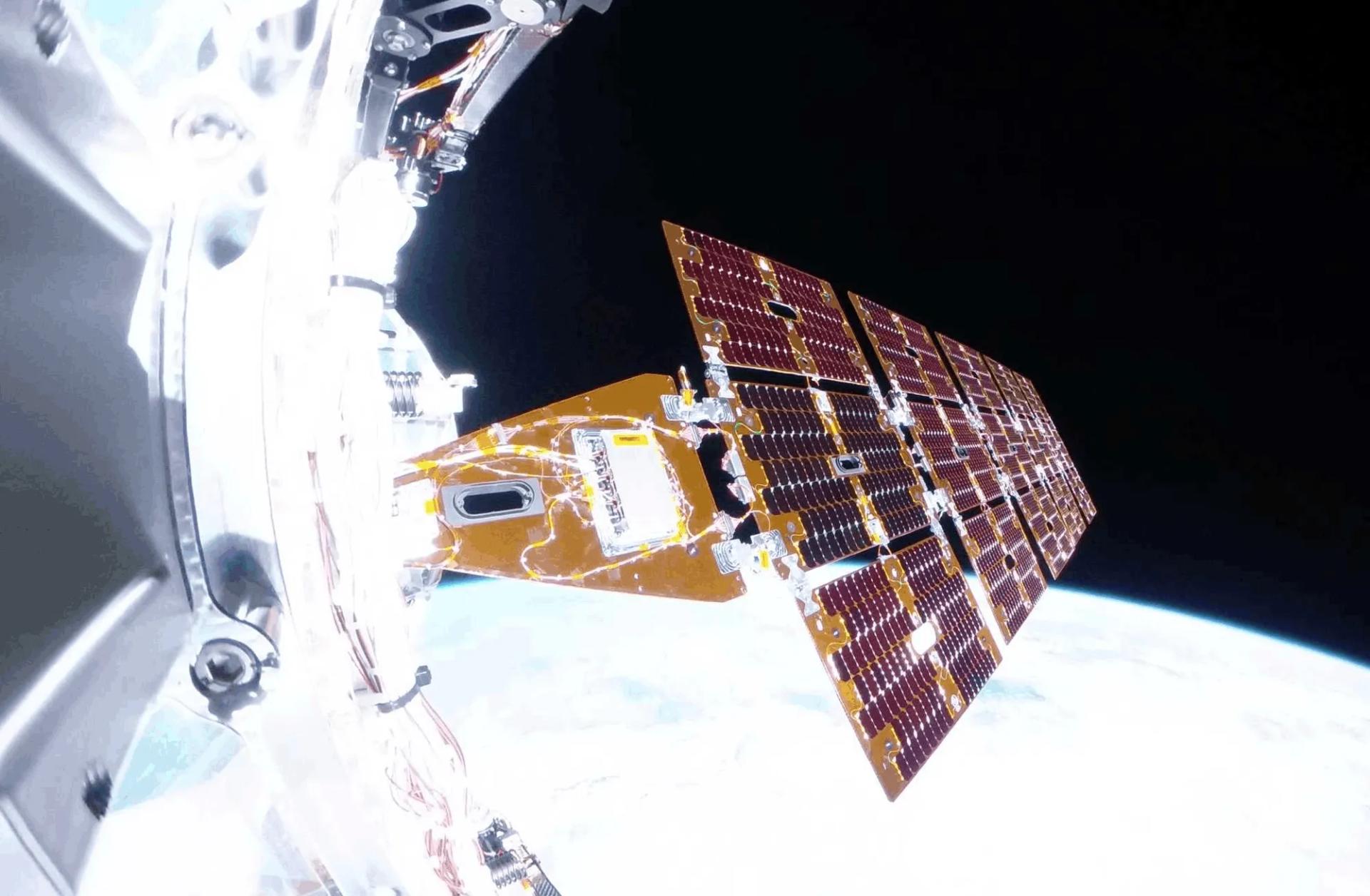
NASA abandoned its plan to rescue the Neil Gehrels Swift Observatory after ongoing attitude control problems prevented the LINK spacecraft from capturing and boosting Swift into a safer orbit. NASA Administrator Jared Isaacman said, "This is not the outcome we were working toward, but it does not change why this mission was worth attempting," as the agency said Swift is likely to re-enter Earth’s atmosphere later this year. The effort had been built around a contract with Katalyst Space Technologies to launch LINK on July 3 and raise Swift’s orbit after intense solar activity sent the telescope ascending toward Earth.
Ars Technica reported that LINK launched on July 3 to fly up to the observatory, capture it with three robotic arms, and boost its orbit high enough to escape a looming reentry. ANASA said the mission will not have the planned orbit-boost ending, but it will still attempt a rendezvous and proximity operations near Swift to gather data for future satellite servicing operations.
What officials and Katalyst said
NASA and Katalyst said the rescue satellite will not capture or boost Swift because of an ongoing attitude control issue, but Katalyst would still make use of LINK’s remaining capacity to demonstrate close-in navigation near Swift. Katalyst said, "While the mission will not have the ending we originally intended, NASA and Katalyst are assessing what milestones remain ahead," and it added that it would continue working to extract technical and operational value from the spacecraft. NASA Administrator Jared Isaacman framed the decision as part of a broader push for satellite servicing capabilities, saying, "NASA should be willing to move quickly and take smart risks when the potential return is worth it, and that is exactly what we did with this mission."
Ars Technica described how the rescue satellite’s attitude control failure emerged in late July, when two of the satellite’s three reaction wheels stopped working and issues with cold gas thrusters followed. AThe same report said the remaining control relied on LINK’s three low-impulse plasma thrusters as it zipped around Earth at nearly 5 miles per second.
Data, timing, and what’s at risk
NASA expects Swift to re-enter Earth’s atmosphere later this year, and the failed rescue attempt leaves the telescope heading toward atmospheric disintegration during re-entry. As of last week, one report said Swift was orbiting at a height of 216 miles, or 347 kilometres, while other coverage described the telescope’s orbit as decaying rapidly after increased solar activity. Chosunbiz said NASA announced on the 19th (local time) that it would not extend the science mission to dock with Swift and raise its orbit because attitude control issues persist with Catalyst Space’s LINK.
NASA said it will collect as much data as possible through the planned rendezvous between LINK and Swift to inform future satellite servicing operations. Ars Technica added that the rescue mission was always risky and that NASA awarded Katalyst a $30 million contract less than a year ago to build and launch LINK to reach Swift before it falls back into Earth’s atmosphere and burns up.A