Technology and Scienceupdated 1h ago2 min read
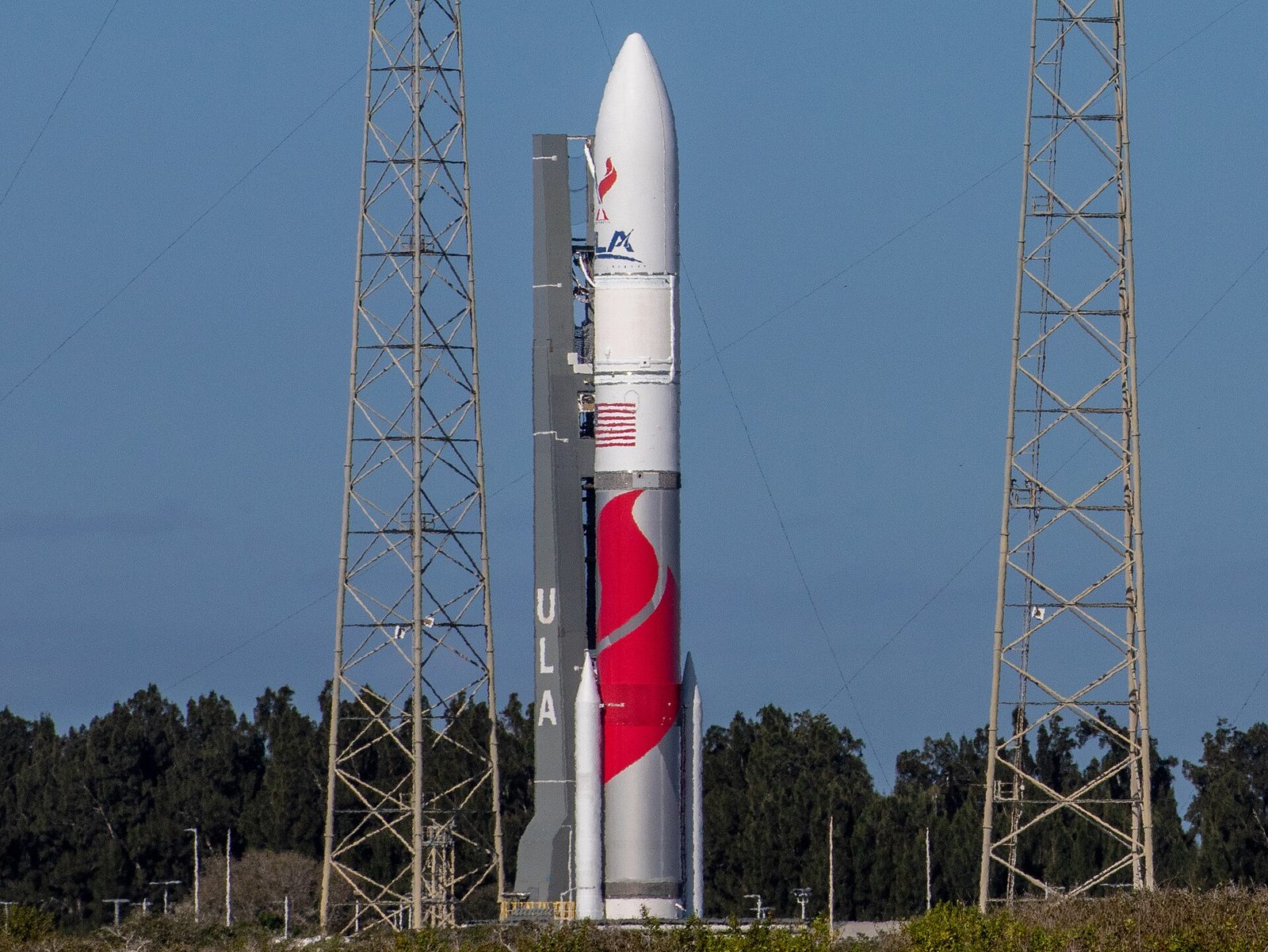
Archive photo · 26 August 2021ULA Links Vulcan Failure to Inadequate Fuel Supply to BE-4 Engines
2 Other1 Local Western1 Western Alternative1 Western MainstreamPhoto: Kim Shiflett / US federal government, Public domain · Cropped for layout
This article is an automated aggregation of coverage from news outlets. Our editorials offer in-depth analysis curated by the NewsCord team.
Inadequate fuel supply to BE-4 engines caused Vulcan launch failure (preliminary). Failure not caused by BE-4 engines' performance.
Save coverage image
5 outlets in this story. Read their headlines below.
Fuel supply blamed
United Launch Alliance said it linked the Vulcan rocket failure during a launch on Sunday to inadequate fuel supply to the BE-4 engines, and it said the company had completed an initial integrated review of flight data from the Leo 1 launch anomaly.
ULA said its preliminary indications pointed to low booster thrust caused by inadequate fuel supply from the vehicle to the BE-4 engines, not from the performance of the engines, while it said work remained to determine cause.
ULA’s findings also aligned with Ars Technica’s earlier reporting that the rocket’s failure was not due to the performance of the vehicle’s main engines, which are provided by Blue Origin.
Florida Today account said the Vulcan loss occurred 10 minutes after liftoff on Sunday, Nov. 15, and it said ULA reported the preliminary indications were of major import to Blue Origin.
The Register framed the same episode as ULA saying Vulcan lacked the oomph to get Amazon satellites to orbit, while ULA’s technical explanation focused on fuel supply rather than engine performance.

Blue Origin not implicated
Blue Origin said it worked alongside ULA to review flight data and support the investigation, and it said the low booster thrust was the result of inadequate fuel supply from the vehicle to the BE-4 engines, not from the performance of the engines. Blue Origin also said it expected Vulcan’s return to flight, while ULA’s preliminary indications said the second stage appeared to have started nominally and the RL10 engines were operating as planned. The May 28 New Glenn explosion originated at a BE-4 engine main oxygen valve, and engineers modified the valve configuration afterward.
Blue Origin confirmed the BE-4 main oxygen valve retrofit is not part of that rocket's anomaly investigation, and the Vulcan second stage was unable to recover from the performance loss resulting in loss of mission. The new information released by ULA confirmed its earlier reporting and said the retrofit was not implicated in the Vulcan accident.
Next steps and stakes
ULA said it was still determining cause, and it said the company’s initial integrated review was based on flight data from the Leo 1 launch anomaly that occurred last Sunday.
Vulcan launched at 12:40 p.m. Sunday from Launch Complex 41 at the Space Force installation, and it was outfitted with six solid rocket boosters for added lift.
The ongoing Federal Aviation Administration investigation was triggered by the loss of mission, and the flight cost 40 Amazon Leo internet satellites.
ULA must determine the cause of the problem involving management of fuel components and the pipelines through which liquid oxygen and methane are delivered to the BE-4 engines, and the Centaur V upper stage did not contribute to the accident.
Blue Origin could press ahead with its return-to-flight mission with New Glenn, which could occur as soon as January, after the preliminary Vulcan investigation largely exonerated the BE-4 engine.