Technology and Science08 February, 20262 min read
Danes Download Boycott Apps After Donald Trump Threatens To Buy Greenland
This article is an automated aggregation of coverage from news outlets. Our editorials offer in-depth analysis curated by the NewsCord team.
Danes surged interest in apps boycotting U.S. goods after Trump's Greenland threat Developer Ian Rosenfeldt reported about 30,000 downloads of his boycott app in three days

9 outlets told this the same way.
Danish consumer protest apps
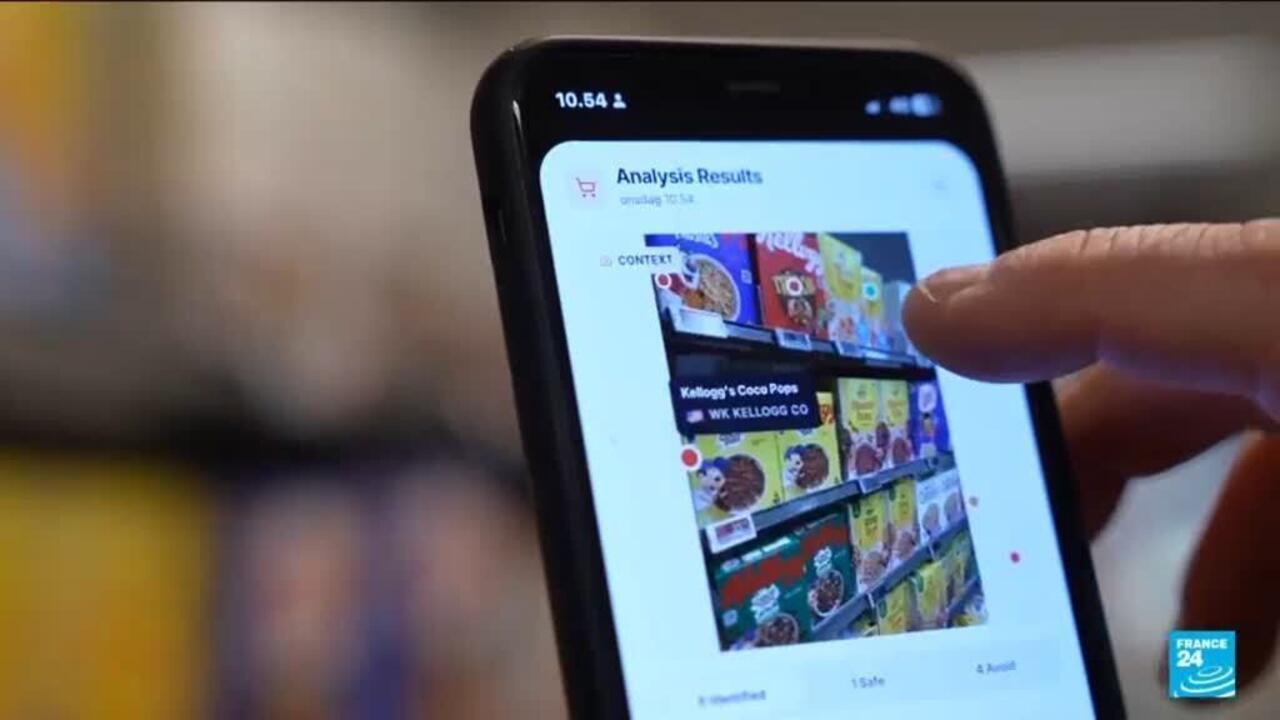
After President Donald Trump's comments about possibly acquiring Greenland, Danes responded by downloading and using mobile apps designed to identify and avoid U.S.-made or U.S.-owned products. Reports say multiple apps circulated, including Rosenfeldt's "Made O'Meter" and a separate "NonUSA" app, and downloads surged around late January and into February as tensions rose. Coverage across outlets ties the surge directly to the Trump-Greenland episode and frames the apps as a tangible form of protest by some Danes.
“After U.S. talks in late January about an Arctic security deal with Denmark and Greenland — which insist their sovereignty is not negotiable — some Danes launched consumer boycotts and apps to avoid U.S. goods.”
Product-origin scanning apps
The apps are described as technology-driven tools that use barcode and image scanning and, in at least one case, artificial intelligence to identify product origins and suggest European alternatives. Rosenfeldt's Made O'Meter reportedly lets users set filters such as "No USA-owned brands" or "Only EU-based brands", and its creator claims accuracy above 95%. Multiple outlets cite specific download and usage figures — from tens of thousands of downloads over days to over 100,000 downloads since launch — highlighting both the technical features and the scale of user interest.
Danish public reactions
Public reaction is portrayed as divided. Some Danes use the apps as a symbolic, personal gesture to avoid well-known U.S. brands. Others openly reject the movement and say they still like America.
“Retiree Morten Nielsen, 68, says people avoid mostly well-known U.S. trademarks as a symbolic, personal gesture even though it’s limited in impact.”
Local voices quoted in coverage include retirees who describe boycotts as symbolic and others who oppose protesting in that way. Outlets report both enthusiasm and skepticism among the public rather than a uniform national backlash.
Effectiveness of consumer boycotts
Economists and analysts cited in the coverage express skepticism about how much practical impact consumer boycotts can have. Estimates suggest only a small fraction of grocery items are U.S.-made; Christina Gravert of the University of Copenhagen estimates 1-3%.
Reporters note much American influence is embedded in technology and distribution channels, including that the boycott apps themselves rely on U.S.-based app stores. Several sources therefore frame the campaigns as largely symbolic unless larger retailers coordinate changes.
Media coverage of app backlash
Across coverage, the story's tone ranges from practical reporting of numbers and app functionality to human-focused accounts of divided sentiment and to opinion-lite reminders of the limits of such protests. Some outlets provide brief roundups placing the apps amid a larger set of headlines, while others follow the developer narrative and user metrics more closely. Taken together, the sources paint a picture of a symbolic, tech-enabled consumer reaction to a high-profile geopolitical remark rather than a sweeping economic boycott.
“The ‘NonUSA’ app reached over 100,000 downloads in early February; its creator Jonas Pipper said many users reported feeling empowered by being able to avoid American products.”