Europe26 February, 20262 min read
Danish Prime Minister Mette Frederiksen Calls Early Election After Trump Revives Claims Over Greenland
This article is an automated aggregation of coverage from news outlets. Our editorials offer in-depth analysis curated by the NewsCord team.
Mette Frederiksen called a snap parliamentary election for March 24. She aimed to capitalize on a surge in support after opposing US designs on Greenland.

6 outlets told this the same way.
Outlets did split on Azerbaijan Bars Hijab in Schools, Sparking Protests in Baku and Arrests →
Danish election announcement
Danish Prime Minister Mette Frederiksen has called an early parliamentary election for March 24.
“Source: Politico — Danish Prime Minister Mette Frederiksen has called early parliamentary elections for March 24, announcing the move during a plenary session and saying she recommended that King Frederik set the date. ... noting ‘although Denmark is currently in the middle of an election campaign, the world will not wait.’”
She cited a diplomatic row with the United States over Greenland and a recent boost in public support for her Social Democrats.
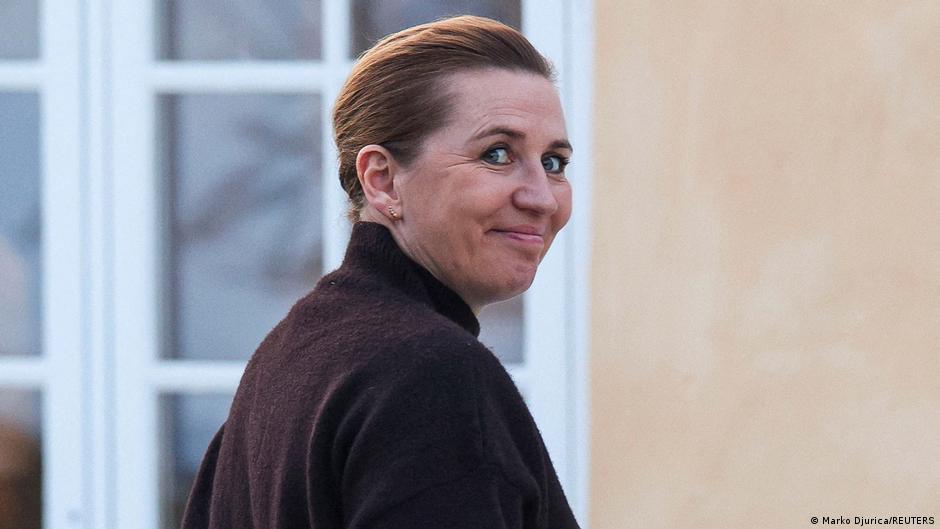
Sources report she announced the move during a plenary session and said she recommended that King Frederik set the date.
The vote had been due by October 31.
Coverage links the announcement directly to tensions after U.S. President Donald Trump revived claims about Greenland.
Frederiksen told lawmakers that her caretaker government will be vigilant during the campaign and said 'although Denmark is currently in the middle of an election campaign, the world will not wait.'
Frederiksen's timing and gains
Multiple sources connect Frederiksen’s timing to a measurable improvement in her party’s standing. MKFM reports polling lifted the Social Democrats from about 18% in December to 22%, making them the highest of any party and reversing earlier setbacks such as losing the Copenhagen mayoralty in 2025.
The South China Morning Post describes the move as Frederiksen seeking a third term and says a diplomatic row "strengthened her image as a steady leader." Politico, as quoted by Букви, notes the vote was previously scheduled for October, implying a decision to act amid shifting political winds.

Denmark election and security
Frederiksen and multiple outlets present the election as decisively tied to security and Denmark's relationship with the United States. MKFM quotes Frederiksen saying the vote will be decisive for Denmark's and Europe's security and records her warning that the Greenland conflict 'is not over yet.'
“Frederiksen, in office since mid-2019, said the vote will be decisive for Denmark’s and Europe’s security, stressing the need to define relations with the US and to rearm. She also warned the Greenland conflict ‘is not over yet’...”
The South China Morning Post reports that Frederiksen said the next government must 'redefine ties with Washington, rearm and safeguard the Kingdom of Denmark.' Букви/Politico likewise ties the move to tensions with Washington over Trump's Greenland remarks.
Coverage of Frederiksen decision
MKFM pairs the timing to clear domestic polling gains and past municipal losses. SCMP situates the election in a broader European debate about alignment with the US (and the possibility of a Trump return). Букви (quoting Politico) foregrounds the immediate diplomatic strain and Frederiksen’s procedural actions.
The Toronto Star snippet included here contains no article text and so represents a coverage gap; it neither confirms nor challenges the narratives in the other outlets. Altogether, the three substantive sources portray a mix of domestic political calculation and international security framing driving Frederiksen’s decision.
