South America10 December, 20252 min read
Daughter Accepts Nobel Peace Prize on Behalf of María Corina Machado, Who Hides After Venezuelan Security Forces Detained Her
María Corina Machado is in hiding; her whereabouts remain unknown Her daughter Ana Corina Sosa accepted the Nobel Peace Prize and read Machado's written speech

15 outlets told this the same way.
Outlets did split on Alexandre de Moraes Orders Eduardo Bolsonaro Arrest, Cancels Passport, Enforces Four-Year Sentence →
Nobel ceremony attendance
María Corina Machado will not attend the Nobel Peace Prize ceremony in Oslo. The Norwegian Nobel Institute and its director said she is not in Norway and her whereabouts are unknown. Her daughter, Ana Corina Sosa Machado, will receive the award and deliver the Nobel lecture on her behalf.
“María Corina Machado will not attend the Nobel Peace Prize ceremony in Oslo on Dec. 11; the Norwegian Nobel Institute says she is not in Norway and her current whereabouts are unknown. Her daughter, Ana Corina Sosa Machado, will receive the prize and deliver the Nobel lecture on her behalf at 13:00 local time.”
The institute and media reports made clear the ceremony would proceed without Machado in person. Family members and regional leaders will be present to accept the prize for her.

Hiding and travel restrictions
Reports across outlets describe Machado as living in hiding after a brief detention on Jan. 9.
Coverage notes she has not been seen publicly for months and that prosecutors warned she could be declared a fugitive if she leaves the country.

Authorities say she is effectively barred from leaving Venezuela, citing criminal investigations and government warnings as the basis for travel restrictions.
Oslo ceremony coverage
Oslo's ceremony proceeded with high-profile attendees and heightened security. Machado's planned press events were abruptly canceled. Reports said King Harald, Queen Sonja and several Latin American leaders were expected to attend.
“King Harald and Queen Sonja and several Latin American leaders, including Argentina’s Javier Milei and Ecuador’s Daniel Noboa, are expected to attend.”
Machado's mother and daughters were present in Oslo. Organisers confirmed the daughter would read Machado's prepared remarks. Media noted a strong diplomatic presence and a security buildup around the event.
Media coverage of Machado
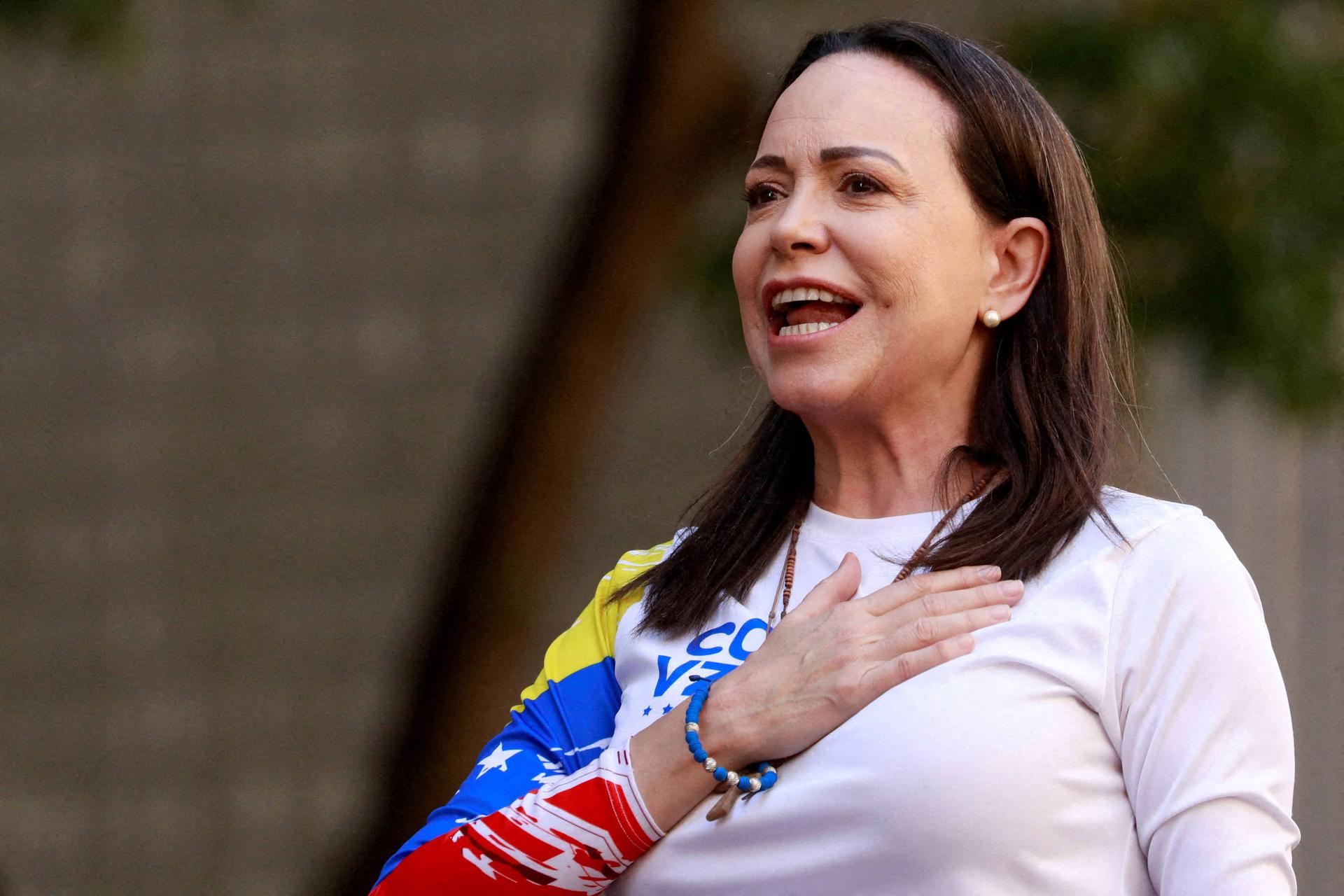
Coverage diverges sharply in tone and political framing. Some outlets stress regime threats and logistical dangers that make travel unrealistic, while others foreground the Venezuelan government's denunciations and the laureate's political alignments. El País and Lapresse.US emphasize death threats and logistical difficulty tied to 'persistent death threats from the Venezuelan regime and its allies'.
Blue News and Geo News highlight government attacks, with Maduro calling her a 'demonic witch' and Diosdado Cabello dismissing the Nobel as an 'auction'. The Guardian and RNZ note Machado's public links to former U.S. president Donald Trump. Critics both praise her pro-democracy work and question her political alliances.
Venezuela political fallout
Observers and rights groups cited in multiple reports framed the situation as part of a broader crackdown on opposition activity and raised concerns about accountability, noting both the immediate legal risks if Machado returns and the larger implications for Venezuela's political future. Commentators called for accountability over the July 28, 2024 vote and noted precedent for laureates being unable to receive the prize in person. Media also flagged that prolonged exile could diminish her domestic political role even as the award gives international validation to the opposition's claims.
“The July 28, 2024 vote was marked by widespread repression, disqualifications and arrests, and a Maduro-loyalist electoral council declared him the winner; U.N. human rights officials and independent groups have criticized the crackdown and called for accountability.”