Full Analysis Summary
Potomac sewage spill
A 72-inch DC Water sewer interceptor collapsed late Monday northwest of Washington, D.C., rupturing and sending millions of gallons of raw sewage into the Potomac River in what authorities call a sanitary sewer overflow.
Newsweek calls the failure the Potomac Interceptor sanitary sewer overflow and reports crews are installing pumps to divert wastewater while racing to contain the spill ahead of a major winter storm.
KBZK also reports the pipe ruptured and shot millions of gallons of sewage up out of the ground and into the Potomac River, and notes the system handles roughly 60 million gallons (230 million liters) per day.
The WTOP snippet supplied with these sources contains only a copyright notice and does not report on the rupture itself.
Coverage Differences
Missed information
WTOP (Western Mainstream) did not provide reporting on the sewer collapse in the supplied snippet and only supplied a copyright/warning notice, while Newsweek (Western Mainstream) and KBZK (Other) give detailed operational and impact descriptions. This is a gap in coverage from the WTOP snippet rather than a differing claim about the event.
Sewage Spill Health Warnings
Authorities and environmental advocates described immediate public-health and environmental hazards.
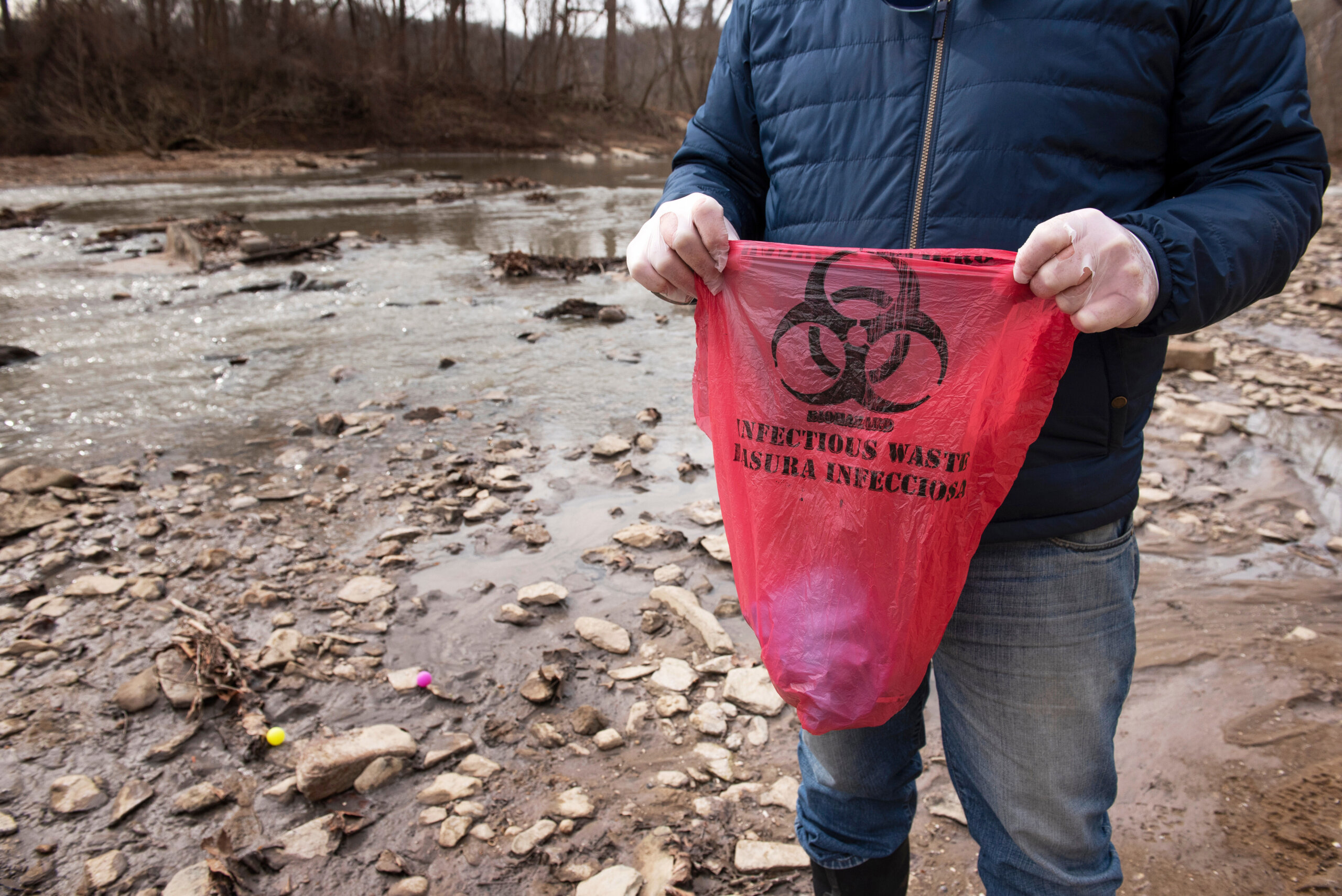
Newsweek reports authorities posted "Danger/Raw Sewage" warnings, urged people to avoid the area and to wash exposed skin, and said volunteers collected samples to test for E. coli and other bacteria.
Newsweek also warned that low river levels have worsened the spill's environmental impact.
KBZK captured local reactions and on-the-ground effects, quoting Potomac Riverkeeper Dean Naujoks saying, "Oh my god, the smell is horrific," and noting officials warned people to avoid the area while pumps are connected.
The WTOP snippet contained only the copyright notice and therefore offered no content on health warnings or environmental sampling.
Coverage Differences
Tone and detail emphasis
Newsweek (Western Mainstream) emphasizes public-health procedures, interagency coordination and environmental monitoring including samples and E. coli testing, while KBZK (Other) foregrounds local sensory reaction and immediate warnings (the “horrific” smell quote). WTOP’s supplied content provides no such reporting and is a procedural copyright notice.
Operational response and oversight
Operational response and oversight were highlighted differently across the sources.
Newsweek reports DC Water is installing pumps to divert wastewater and that the U.S. EPA is coordinating with DC Water, Maryland's environment department and other agencies.
Newsweek also notes the EPA oversees DC Water under a 2015 federal consent decree.
KBZK reports DC Water is hooking up pumps to divert flow around the break so repair crews can fix the damage.
KBZK emphasized the time pressure from an approaching winter storm.
The WTOP snippet does not report on these operational details.
Coverage Differences
Narrative emphasis
Newsweek (Western Mainstream) stresses federal oversight and formal coordination (EPA and consent decree), while KBZK (Other) stresses immediate local operational action and urgency tied to an approaching storm. WTOP (Western Mainstream) provided no operational detail in the supplied content.
Breach response and reporting gaps
Key uncertainties and next steps remain.
Officials are repairing the breach, testing environmental impacts, and monitoring public risk.
Precise volumes, timelines for repair, and long-term impacts are still being determined.
Newsweek reports volunteers collecting samples and active monitoring since the discovery on Jan. 19, 2026, and says low river levels have worsened the spill's impact.
KBZK highlights the system's overall daily capacity of about 60 million gallons and stresses the urgency of repairs ahead of weather.
WTOP's provided content contains no reporting, leaving gaps in coverage of official statements and local context in the dataset.
Coverage Differences
Missed information and uncertainty
Newsweek (Western Mainstream) provides timestamped monitoring and notes worsening conditions due to low river levels, KBZK (Other) offers capacity context and local urgency tied to weather, and WTOP (Western Mainstream) in the provided snippet supplies no substantive reporting — a coverage omission that increases uncertainty when relying on these particular supplied sources.