USA09 January, 20262 min read
Department of Homeland Security Agents Use Tear Gas and Arrest Eight Protesters in Minneapolis
Federal DHS agents deployed tear gas, pepper balls, and chemical irritants against Minneapolis protesters Agents surged into crowds at a federal building, arresting eight protesters during clashes
20 outlets told this the same way.
Outlets did split on Trump Interrupted by Protesters at San Antonio Rally for Ken Paxton →
Minneapolis protests and federal response
Federal immigration agents' presence in Minneapolis intensified after the Jan. 7 shooting of Renee Nicole Good.
“The shooting sparked protests at the scene and outside ICE’s local headquarters, where federal agents used chemical irritants and force; three people were arrested.”
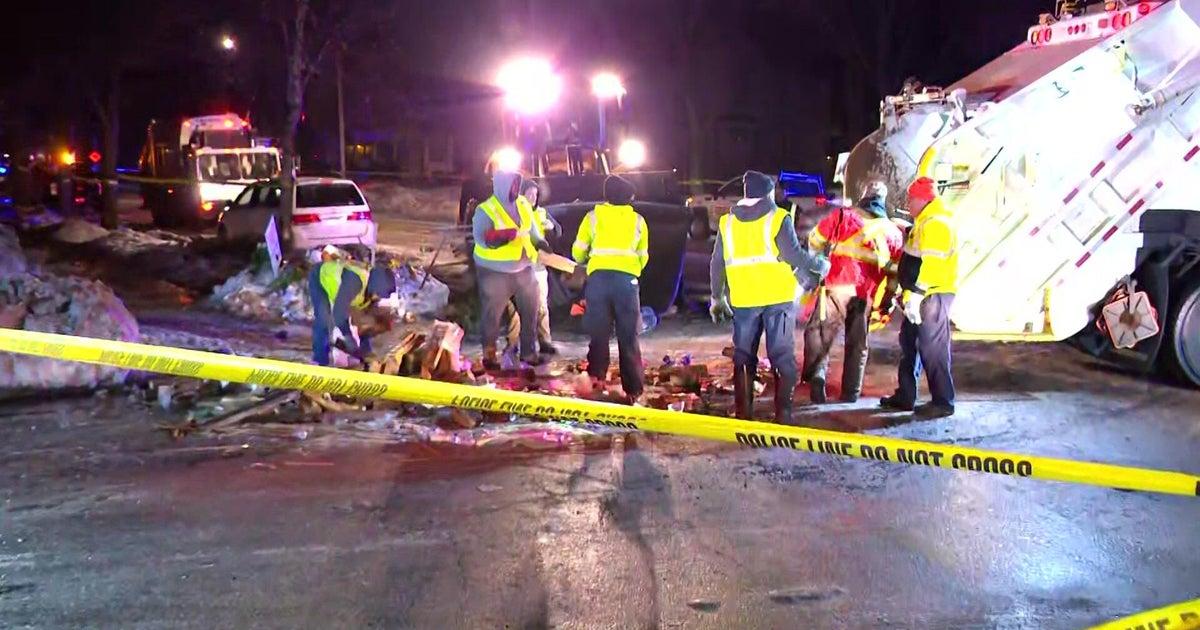
Multiple outlets reported confrontations between protesters and Department of Homeland Security personnel in which officers used chemical irritants.

Reports say agents sprayed an orange eye irritant and deployed tear gas or other irritants near the shooting site as crowds gathered.
Outlets also recorded arrests or detentions amid the unrest, though counts varied across reports.
The scenes prompted visible community anger, marches, and makeshift barricades as residents and students reacted to the killing and the federal response.
Protest tactics and reactions
Demonstrators built barricades, declared 'no ICE' zones, held vigils, and left tributes at the scene. Students staged walkouts in suburban schools.
News outlets described both spontaneous local actions and organized expressions of dissent. Video and on-the-ground reporting recorded people suffering eye irritation, residents warning each other with whistles, and tensions escalating when agents operated in unmarked vehicles or tactical gear.
Federal-local dispute over enforcement
Local and federal officials exchanged statements as legal and investigative processes unfolded. Minnesota state and local officials filed a lawsuit contesting DHS methods after the shooting. Federal spokespeople pushed back, and the Justice Department said there is no basis for a civil rights criminal probe even as the FBI continues its investigation.
“Minnesota state and local officials have filed a lawsuit against the U.S. Department of Homeland Security, contesting the methods used by immigration agents.”
Minnesota's attorney general and other local leaders criticized federal operations, calling some actions an overreach or 'a federal invasion'. DHS defended its enforcement posture.
Leaked DHS files controversy
The protests intersected with an escalating information dispute, as volunteer-run sites and researchers said a whistleblower provided leaked DHS personnel files to a public tracker called ICE List, which its operator linked to outrage after the shooting.
The alleged leak reportedly contains thousands of names and contact details for ICE and Border Patrol staff, and while defenders of the project call it accountability, DHS and other officials warn that publishing identities endangers employees and families and could have legal consequences.
Uncertainty over federal response
Key uncertainties remain: different outlets provide varying arrest counts, investigations are ongoing, and narratives diverge on whether federal action was lawful or an overreach. Reporting shows an active FBI inquiry into the shooting even as state leaders push for local participation and civil remedies, while community members and some outlets portray the federal presence as escalatory. Given these reporting differences, the full legal and factual picture remains in flux while protests and political debate continue.
“A Justice Department official said there is no basis for a criminal civil‑rights probe into the death of Renee Goodis, though the FBI’s investigation is ongoing.”