Full Analysis Summary
DOJ probe of Minnesota leaders
Federal prosecutors have opened a criminal inquiry into Minnesota Gov. Tim Walz and Minneapolis Mayor Jacob Frey to determine whether their public statements and actions during a large federal immigration operation amounted to obstructing federal law enforcement activities.
Multiple outlets report the probe may involve subpoenas and a possible grand jury review.
CBS News reports the Justice Department is investigating Walz and Frey for allegedly obstructing law enforcement activities.
The BBC says prosecutors opened an inquiry under 18 U.S.C. § 372 into efforts to impede federal immigration operations.
Townhall and other outlets summarize that the DOJ has opened an investigation into the two officials.
The Washington Post characterizes the move as a new threshold aimed at vocal critics of the administration.
Reports note the inquiry is at an early stage and that no criminal charges have been filed publicly.
Coverage Differences
Tone / framing
Western mainstream outlets (CBS News, BBC, Washington Post) present the probe as a formal DOJ criminal inquiry under federal statute and emphasize legal steps (investigation, subpoenas, grand‑jury activity), while Western alternative outlets (Townhall) emphasize the partisan angle and media amplification; some international outlets (China Daily) highlight statements alleging the probe is being "weaponized." Each source is reporting elements of the same development but with different emphasis — procedure vs. partisan narrative vs. characterization by the officials under scrutiny.
Minneapolis shooting inquiry
The inquiry follows the Jan. 7 fatal shooting of 37-year-old Renee Good during a federal immigration operation in Minneapolis, an incident that has driven weeks of protests and scrutiny.
CBS News reports WCCO obtained Minneapolis Fire Department records showing Good was shot at least three times (chest, left arm, possible head wound) and that first responders ceased resuscitation about 53 minutes after the shooting.
The BBC describes paramedics finding her with at least three gunshot wounds (and a possible fourth to the head) and notes video showing agents approaching her SUV and an agent firing as the vehicle moved.
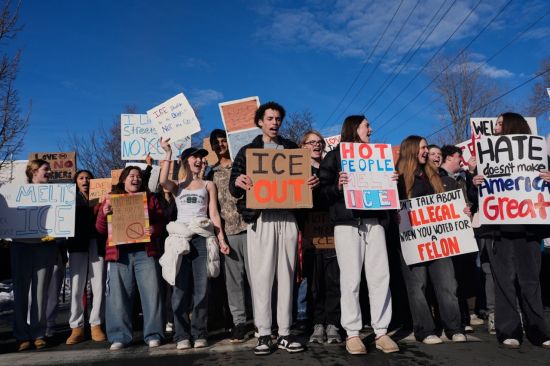
Multiple outlets report the shooting has sparked sustained protests and claims that federal tactics, including the use of tear gas and detentions, escalated community tensions.
Coverage Differences
Facts reported / evidence emphasis
Mainstream news sources (CBS News, BBC) emphasize specific medical and timeline details from official records and video (fire department records, 911 transcripts, shots and resuscitation timing). Other outlets (e.g., KWCH, NTD News) emphasize collateral scenes and community allegations about tear gas, detention of bystanders, and claims of misconduct by federal agents. The distinction is that mainstream pieces foreground documented records and judicial rulings, while some local and alternative sources place more weight on reported community impacts and allegations.
Officials' Rhetoric After Shooting
Elected officials and administration figures traded sharp rhetoric after the shooting and during the ensuing enforcement operation.
Gov. Walz publicly urged residents to document ICE activity and criticized the federal presence.
Mayor Frey at times told ICE to "get the f*ck out of Minneapolis," according to multiple reports.
Deputy Attorney General Todd Blanche described Walz and Frey's comments as bordering on criminality.
The Daily Caller quoted Blanche accusing them of "encouraging violence against law enforcement."
President Trump and administration officials suggested tougher measures, including threats to invoke the Insurrection Act.
The state and city called the DOJ action political intimidation.
Walz called the probe "weaponizing the justice system."
Frey described the inquiry as an intimidation tactic he would not yield to.
Coverage Differences
Narrative emphasis / quotes
Conservative and Western alternative outlets (The Daily Wire, Daily Caller, Daily Caller/dailycaller) emphasize aggressive language from local officials and administration responses (Blanche's charge, Trump’s Insurrection Act comments), while mainstream outlets (CBS, BBC, 9News.au) focus on the procedural aspects of subpoenas and the officials' public denials of being served and quotes framing the probe as intimidation. Sources differ on whether the coverage centers on the officials' alleged misconduct or on claims that the DOJ is retaliating politically.
Investigation and legal context
The legal and institutional context is complex: reporting indicates subpoenas have been prepared or issued, a grand jury may be involved, and a federal judge recently limited certain federal protest tactics in Minneapolis.
The BBC and CBS note the investigation under 18 U.S.C. § 372 and mention grand‑jury subpoenas.
TRT World and Democracy Docket add context about the wider DHS "Operation Metro Surge" deployment of thousands of ICE and CBP personnel and Minnesota AG Keith Ellison’s separate lawsuit alleging constitutional violations.
A federal judge also issued an 83‑page order limiting federal officers' tactics, including banning use of pepper spray and certain detentions of peaceful protesters, per CBS and BBC reporting.
Legal analysts quoted in some outlets (news.meaww) argue obstruction charges would be difficult to prove because public criticism is protected speech unless it meets a high threshold of force or imminent lawless action.
Coverage Differences
Legal interpretation / likelihood of charges
Mainstream reporting (BBC, CBS, TRT World) stresses the formal legal steps—subpoenas, grand‑jury processes and statutory citations—while legal commentary in other outlets (news.meaww) highlights skepticism from former prosecutors that criminal obstruction will be provable where the conduct is public speech. International outlets (TRT World) place the probe within broader political and operational context (Operation Metro Surge), emphasizing scale of the federal deployment.
Media coverage differences
Coverage varies by outlet type, with Western mainstream sources such as CBS, BBC, the Washington Post, and CNN emphasizing legal mechanics, timelines, and evidence like records, video, and judicial orders.
Western alternative and conservative outlets, including Townhall, The Daily Wire, The Daily Caller, and sometimes The Daily Beast, foreground partisan and law-and-order frames.
International outlets such as TRT World and China Daily combine legal detail with geopolitical or governance framing.
Townhall highlights partisan reaction and social-media amplification.
The Washington Post frames the inquiry as a novel step against critics.
The Daily Wire and The Daily Caller emphasize officials' inflammatory language and federal officials' warnings.
These differences affect tone: some outlets present the probe as a routine legal process, while others portray it as political retaliation or a consequence of alleged encouragement of confrontation.
Readers should note that reporting overlaps on core facts but diverges on emphasis, quoted language, and inferred motive.
Coverage Differences
Tone / narrative emphasis across source types
Western mainstream outlets (CBS, BBC, Washington Post) focus on documentation and legal steps; Western alternative outlets (Townhall, The Daily Wire, Daily Caller) stress partisan conflict and highlight quoted inflammatory language from local leaders and administration figures; international outlets (TRT World, China Daily) both report facts and amplify officials' characterizations (e.g., 'weaponizing the justice system'). Each source reports many of the same facts (shooting, DOJ probe, subpoenas) but selects different quotes and contexts to shape reader perception.