USA02 February, 20262 min read
DHS Will Outfit Every Federal Officer in Minneapolis With Body Cameras, Noem Announces
Homeland Security immediately issued body-worn cameras to every DHS officer in Minneapolis, including ICE Noem said the body-camera program will expand nationwide as funding becomes available
19 outlets told this the same way.
Outlets did split on Trump Interrupted by Protesters at San Antonio Rally for Ken Paxton →
DHS body-camera rollout
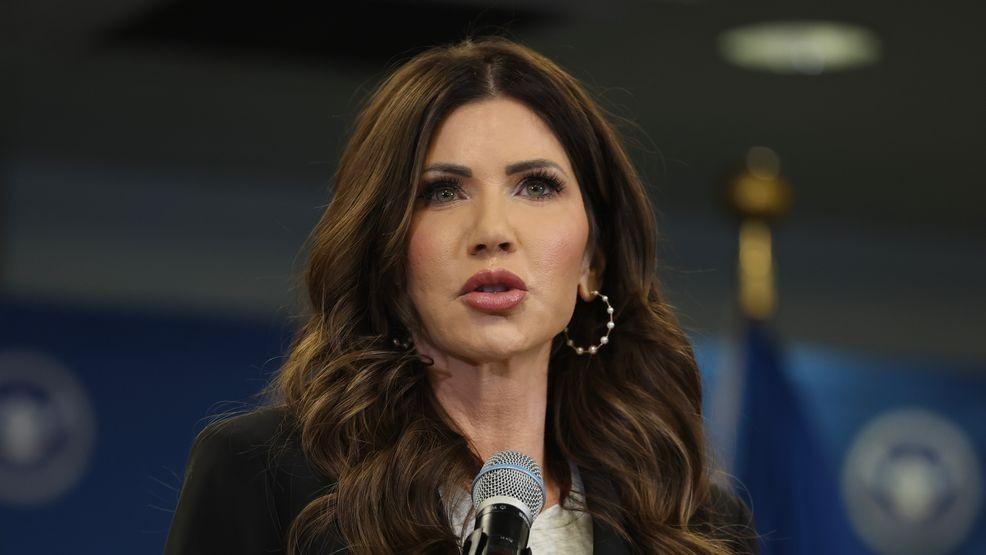
Homeland Security Secretary Kristi Noem announced that every Department of Homeland Security officer on the ground in Minneapolis — including Immigration and Customs Enforcement agents — will be issued body-worn cameras immediately. She said the program will be expanded nationwide as funding allows.
“Homeland Security Secretary Kristi Noem announced on X that every DHS officer on the ground in Minneapolis — including ICE agents — will immediately be issued body-worn cameras.”
Noem posted that the department will "rapidly acquire and deploy body cameras to DHS law enforcement across the country," framing the move as an immediate response to public concern in Minneapolis. Several outlets reported Noem’s announcement as a direct, rapid deployment for Minneapolis with a pledge to extend the program nationally contingent on funding.

Camera pledge after shootings
The announcement followed intense scrutiny after recent fatal shootings in Minneapolis involving federal officers.
Multiple outlets connect the camera pledge directly to local backlash.
AP and PBS describe the move as coming amid intense scrutiny after two U.S. citizens protesting immigration enforcement were shot and killed.
Local reporting names victims and investigatory actions.
ABC7 Los Angeles reports the Hennepin County Medical Examiner ruled the death of 37-year-old nurse Alex Pretti a homicide.
NOTUS reports Homeland Security investigators are reviewing body-camera footage of the Jan. 24 Border Patrol shooting that killed Pretti.
DHS camera rollout plans
Practically, Noem said the rollout in Minneapolis would be immediate while a nationwide expansion depends on available funding. Her announcement — reported as a post on X by several outlets and as delivered at a FEMA news conference by others — pledged to 'rapidly acquire and deploy' cameras across DHS. Coverage consistently repeats the phrase 'as funding allows' or 'as funding becomes available,' underscoring that the national scale-up is conditional and not fully funded yet.
“She announced the body-camera program will be expanded nationwide as funding becomes available, posting ‘We will rapidly acquire and deploy body cameras to DHS law enforcement across the country’ on X.”
Political context of announcement
The announcement landed amid a political backdrop. Multiple outlets note that President Joe Biden ordered federal officers to wear body cameras in 2022, a directive later rescinded by Donald Trump. They also report that Democrats have pushed for broader measures such as cameras, visible identification, and limits on face-obscuring masks.
Some reporting highlights President Trump's public endorsement while also saying he told reporters the decision was Noem's. Other articles frame the step as a response to bipartisan pressure for transparency during immigration enforcement.

Border camera rollout scrutiny
Homeland Security investigators are reviewing footage from at least one recent Border Patrol shooting. Local prosecutors have unsealed indictments tied to related protests. The 'as funding allows' caveat leaves the timeline for a nationwide rollout unclear.
“Homeland Security investigators are reviewing body-camera footage of the Jan. 24 Border Patrol shooting that killed 37-year-old ICU nurse Alex Pretti.”
Coverage ranges from straightforward reports of the pledge to calls for systemic reforms and scrutiny of uneven camera use across agencies. Several analyses note that while cameras can aid transparency, they do not by themselves resolve broader questions about policy, training, and oversight.
