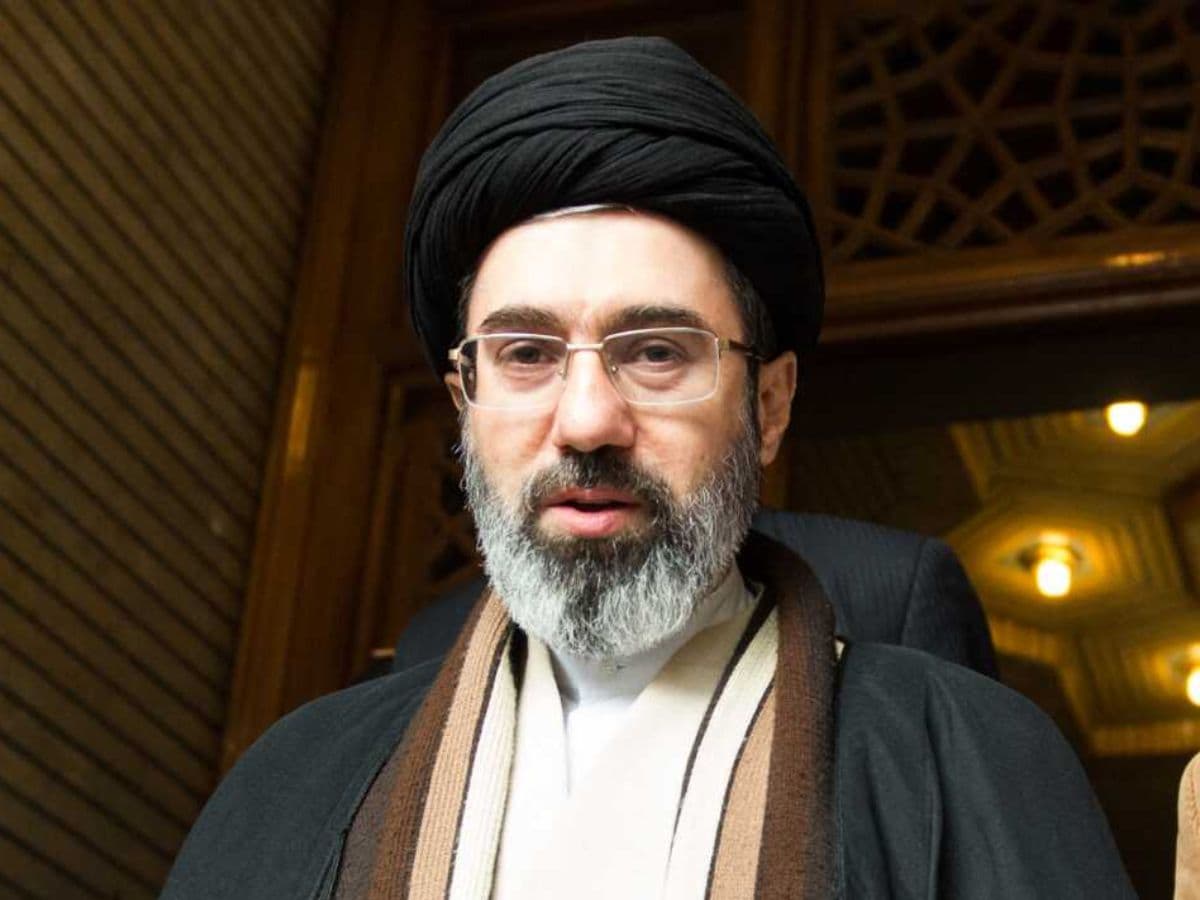
Did Ayatollah Ali Khamenei Oppose Mojtaba Khamenei as Iran’s Supreme Leader? Here’s What His Will Says & What Donald Trump Claims
Key Takeaways
- Mojtaba Khamenei became Iran's Supreme Leader after his father Ayatollah Ali Khamenei's death
- The leadership change occurred amid heightened Middle East tensions and global attention
- Article examines Ali Khamenei's will and Donald Trump's claims about opposition to Mojtaba
Succession and takeover
Mojtaba Khamenei has emerged as Iran’s new Supreme Leader following the death of his father, Ayatollah Ali Khamenei, assuming the most powerful role in the country during a period of heightened tensions in the Middle East.
“Iran’s political landscape has entered a new phase after Mojtaba Khamenei emerged as the country’s new Supreme Leader following the death of his father, Ayatollah Ali Khamenei”
The Supreme Leader holds ultimate authority over the country’s military, judiciary, and key state institutions, placing Mojtaba at the centre of Iran’s political system.
Observers say Mojtaba’s leadership could shape Iran’s domestic and foreign policies for years to come as the country faces international sanctions, regional tensions, and domestic political pressures.
Will controversy
Reports have circulated claiming Ayatollah Ali Khamenei may have opposed his son’s succession, focusing on alleged contents of the late leader’s will that have not been publicly released.
“In Khamenei’s will, he explicitly asked Mojtaba not to be named as successor,” Khosro Isfahani, a research director for the opposition group National Union for Democracy with ties to Iranian intelligence, was quoted as saying by The New York Post, and Isfahani added that Mojtaba has been ‘nothing without his father’s name’.
Iranian authorities have not publicly confirmed the contents of the will, leaving the matter contested and open to interpretation.
Power bases and dissent
Mojtaba, 56, has long remained influential behind the scenes through connections with senior clerics and security institutions despite never holding elected office or publicly campaigning for political power.
“Iran’s political landscape has entered a new phase after Mojtaba Khamenei emerged as the country’s new Supreme Leader following the death of his father, Ayatollah Ali Khamenei”
The Islamic Revolutionary Guard Corps (IRGC) appears to have played a crucial role in his rise, with reports suggesting senior IRGC leaders supported his appointment because they view him as a reliable ally who would continue his father’s policies, and the IRGC has pledged loyalty to the new Supreme Leader.
The decision was reportedly not unanimous within Iran’s leadership circles, with some senior clerics and political figures expressing reservations that elevating the son of a former Supreme Leader could resemble dynastic succession, and insiders said the announcement was delayed for several hours due to internal disagreements.
Reactions and outlook
The leadership change prompted strong international reactions, particularly from US President Donald Trump, who said in a Fox News interview that he is “not happy” with Iran’s selection and warned about future consequences, adding “I don’t believe he can live in peace.”
Trump told Axios that Mojtba taking over as Iran’s new leader of ran is “unacceptable” and expressed a desire for a leader who would “bring harmony and peace to Iran”, and he warned that appointing someone who would perpetuate Khamenei’s policies would inevitably lead the US back to war “in five years”.
Analysts expect Mojtaba to maintain many of his father’s strategic priorities, but they say the coming months will show whether he consolidates authority smoothly or faces further internal and external pressures; before Mojtaba was confirmed, other names discussed as possible successors included Hassan Khomeini, Ali Reza Arafi, Hassan Rouhani, and Mohammad Mehdi Mirbagheri.
More on Iran
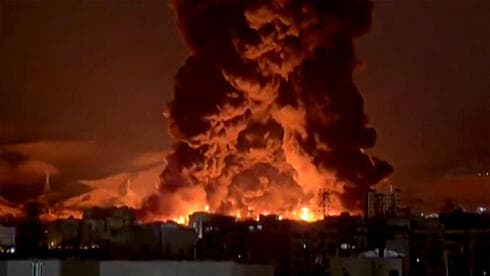
US obliterates military targets on Iran’s Kharg Island, Trump warns
13 sources compared
US Deploys About 2,500 Marines to Middle East After Iran Attacks Gulf Shipping
33 sources compared
FBI Warns of Iranian Drone Plot Based on Unverified Tip; California Says No Credible Threat
10 sources compared

White House Demands ABC Retract Report Claiming Iran Sought To Launch Drone Attacks On California
11 sources compared