Australia20 January, 20262 min read
Dingo Pack Kills 19-Year-Old Canadian Tourist on K'gari Beach
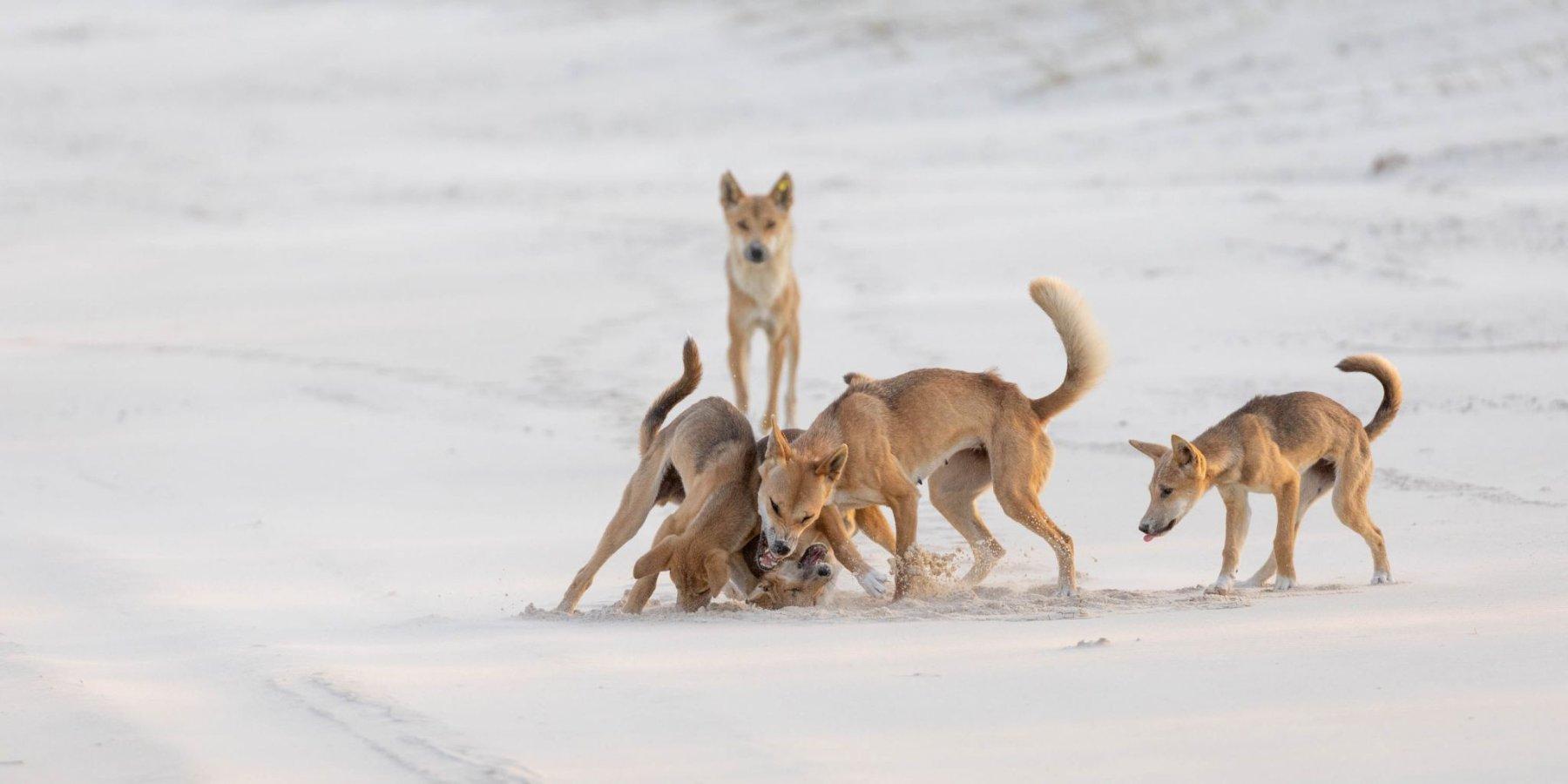
19-year-old Canadian Piper James was found dead on K'gari (Fraser Island) beach Her body was discovered surrounded by a pack of dingoes

29 outlets told this the same way.
Tourist death on K'gari
A 19-year-old Canadian tourist was found dead on Seventy-Five Mile Beach on K'gari (formerly Fraser/Fraser Island) early Monday after telling friends she planned an early swim; two men driving along the beach discovered her body near the Maheno shipwreck with a pack of dingoes surrounding it. Police say the body showed markings consistent with having been touched and interfered with by the dingoes, but investigators have not yet determined whether she drowned or died from animal interaction, and a post-mortem autopsy plus further scientific testing have been scheduled to establish the cause of death. Reports identify the woman as Piper James, who had been living and working on the island for weeks.
“Australian police are investigating the death of a 19-year-old Canadian woman whose body was found Monday on a beach on K’gari (Fraser Island)... discovered around 6:35 a.m. near the Maheno shipwreck and was surrounded and ‘interfered’ with by a pack of about 10 dingoes; it is not yet known whether she drowned or died from a dingo attack.”
Dingoes and death inquiry
Witnesses and investigators described a sizeable pack of dingoes at the scene; reports estimate roughly 10 animals (some outlets give 10–12). Police noted markings on the body and what have been called defensive wounds, language used in multiple reports to indicate possible animal contact. Officials repeatedly cautioned it is too early to conclude the cause of death, noting that drowning while swimming remains a plausible explanation.
Coronial and scientific testing is expected to clarify whether an animal attack occurred. Queensland police have established a crime scene while park rangers and conservation staff stepped up patrols and warnings on the island.
Response to K'Gari death
The discovery prompted immediate operational, political and community responses. Rangers increased patrols and at least one camping zone was temporarily closed. Park authorities posted new warnings, and Queensland and Canadian officials offered consular or investigatory assistance.
“K’gari is known for its wild dingoes and a history of attacks, including a fatal mauling in 2001 and a 2023 beach attack; authorities have increased ranger patrols, temporarily closed one camping zone, and posted new ‘dingo-safe’ warnings urging visitors not to feed dingoes, to walk in groups and to secure food.”
Local leaders described the death as shocking and traumatic for the small K'Gari community. Some have called for a review of dingo-management strategies and tighter controls on visitor interactions with wildlife.
K’gari dingo context
K’gari has a long history that frames how outlets discuss this death. Dingoes are a protected native species on the World Heritage island, with roughly 200 animals estimated to live there, and fatal attacks are rare—the last confirmed dingo fatality on the island dates to 2001.
Reporting notes a spike in serious incidents in recent years (notably 2023) and repeated management tensions, with some experts and outlets attributing rising encounters to greater human presence and tourism while others point to dingoes becoming more emboldened by human contact and access to food. The island’s conservation management strategy and a 2021 review are cited in some sources as still fitting current management needs, but traditional owners and local advocates are urging stronger changes.
Media reporting and uncertainty
At this stage the factual record remains incomplete and police and coronial processes will determine the official cause of death. Media coverage reflects both that uncertainty and divergent emphases. Some outlets foreground observable animal contact.
“Police Inspector Paul Algie said there were markings on her body consistent with having been touched or interfered with by dingoes, but it is too early to determine cause of death — she may have drowned while swimming.”
Others emphasize the ongoing investigation and community impacts, and a subset presses for swift policy change. Readers should note these differences in naming, emphasis and recommended responses as reporting develops and the coroner's findings become available.