Full Analysis Summary
BBC Iran coverage summary
I cannot create a factual article about "Doctors Reveal X‑Ray Showing Israel's Brutal Wounding of Palestinian Civilians" based on the material you provided.
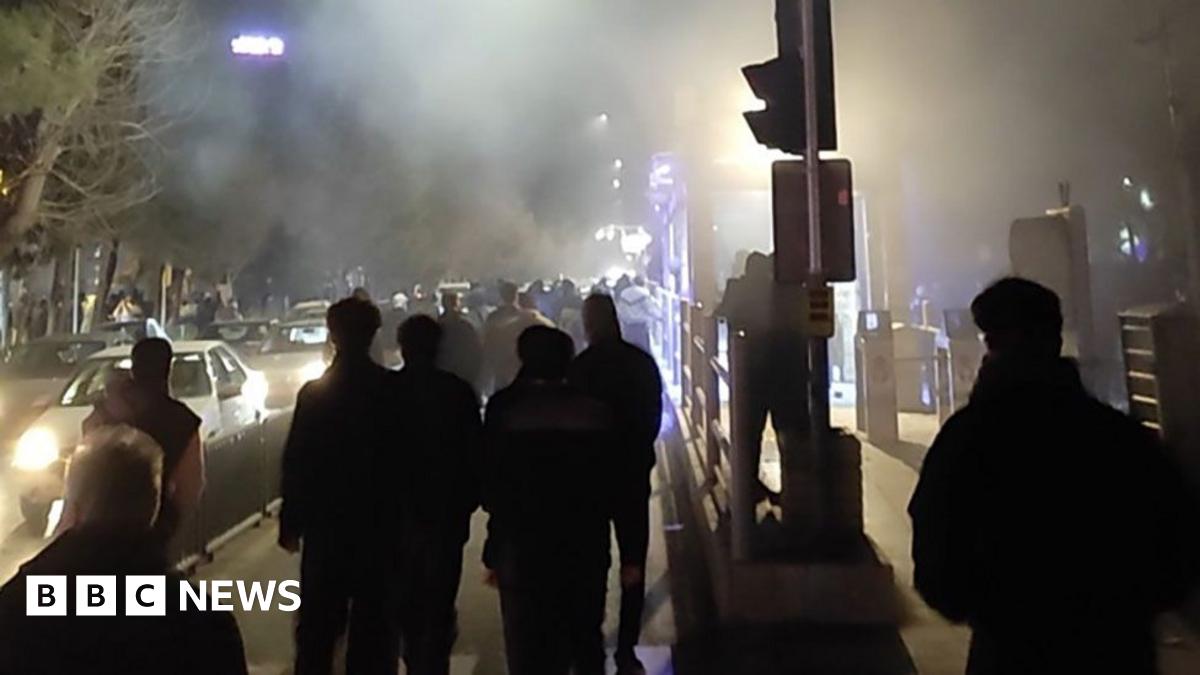
The only source you gave (BBC) covers a different story: a brutal crackdown on nationwide anti‑government protests in Iran with mass casualties and overwhelmed hospitals.
The BBC snippet makes no reference to Israeli forces, Palestinians, or X‑rays being used to show wounds inflicted by Israel.
Producing the requested Israel/Palestine-specific piece would require adding information not present in your sources.
I will instead summarize and analyze what the provided BBC material actually reports about medical staff, wounds, and hospital conditions in Iran.
I will explicitly note that this is not about Israel or Palestinian civilians.
Citations: the BBC article states the crackdown, the limits on reporting, and medical staff accounts that form the basis of this summary.
Coverage Differences
Missing requested topic / Source limitation
The user requested an article about Israeli wounding of Palestinian civilians, but the only provided source (BBC, Western Mainstream) reports on a brutal crackdown in Iran. There are no sources supplied that mention Israel, Palestinians, or X‑rays of victims of Israeli forces. Therefore any comparison to Israel/Palestine would be an assumption beyond the supplied material.
Casualty counts and reporting
The BBC reports that independent monitors HRANA have documented thousands of deaths and serious injuries amid the crackdown.
HRANA says it has confirmed 6,301 deaths, including 5,925 protesters, 112 children, 50 bystanders and 214 government-affiliated people.
HRANA is investigating reports of another 17,091 deaths and also reports at least 11,000 seriously wounded.
The BBC article emphasizes that reporting is constrained by an internet shutdown and restrictions on foreign journalists, which limits the ability to verify and expand casualty counts.
These monitor figures contrast with official Iranian statements that claim more than 3,100 dead and assert that many victims were security personnel or bystanders.
The BBC piece notes HRANA totals, the limits on reporting, and the official Iranian figures as cited information sources.
Coverage Differences
Contradiction / Conflicting counts
The BBC reports both HRANA's independent monitor totals (6,301 confirmed deaths and investigations into many more) and official Iranian figures (authorities say more than 3,100 killed). The BBC presents both figures as reported facts and highlights discrepancies, noting reporting limitations that complicate verification.
Hospital crisis and survivor accounts
Firsthand medical and survivor accounts in the BBC piece portray hospitals and improvised care sites under extreme strain and fear.
Medics described nonstop surgeries and catastrophic gunshot wounds, including facial injuries, amputations, and extreme blood loss.
Surgeon 'Nima' described operating non-stop for days.
Some injured people avoided hospitals for fear of arrest.
Volunteers treated victims in homes where doctors removed birdshot pellets and performed emergency care.
The BBC notes hospital clothing soaked in blood and video and eyewitness reports of bodies piled in hospitals.
Reports also describe snipers on roofs and security raids on medical facilities.
Citations indicate these details come from direct survivor and medic accounts reported in the BBC article.
Coverage Differences
Tone / Emphasis (medical testimony)
Because only the BBC source is available, we can report on the BBC's strong emphasis on harrowing medical testimony (quotes from medics and survivors). Without other sources, we cannot compare whether other outlets present less graphic or more corroborating medical detail.
Surveillance in healthcare settings
The BBC documents patterns of surveillance and intimidation targeting injured people and medical staff.
Hospitals are reportedly under surveillance, with security forces present monitoring medical records.
Medical personnel reportedly avoid recording gunshot wounds for fear of identification and arrest.
Some victims accepted the risk and gave real ID numbers to use insurance despite the danger.
These details portray a climate where seeking care can carry legal or security consequences and shape how and where victims receive treatment.
The BBC cites surveillance, record-keeping fears, and patients' choices about IDs and insurance.
Coverage Differences
Narrative focus / Omission (security presence in hospitals)
The BBC focuses on surveillance inside hospitals and the chilling effect on record‑keeping and care. With no other sources provided, we cannot check whether other outlets corroborate or downplay the presence of security forces in medical facilities; this is a limitation of the available source set.
Eye injuries and operations
The BBC highlights specific injury patterns and specialized consequences.
Farabi Eye Hospital reported roughly 700 severe eye injuries and referred around 200 patients to other facilities.
The health ministry said roughly 13,000 operations have been performed.
Witnesses described being hit by birdshot and removing much of the shot at home after a doctor warned many pellets would remain.
These clinical details, together with the large-scale casualty counts and reporting constraints, underline the human toll and the difficulty of fully documenting the crisis.
The BBC material provided includes detailed figures on eye injuries, operations, birdshot accounts, and referral numbers.
Coverage Differences
Specific clinical detail / Verification limits
The BBC provides clinical specifics (eye injuries numbers, operations performed, birdshot anecdotes) but also stresses verification limits due to internet shutdown and reporting restrictions. Without other sources, we cannot cross‑check these clinical counts or see alternate medical assessments.