Full Analysis Summary
MSF withdrawal in Darfur
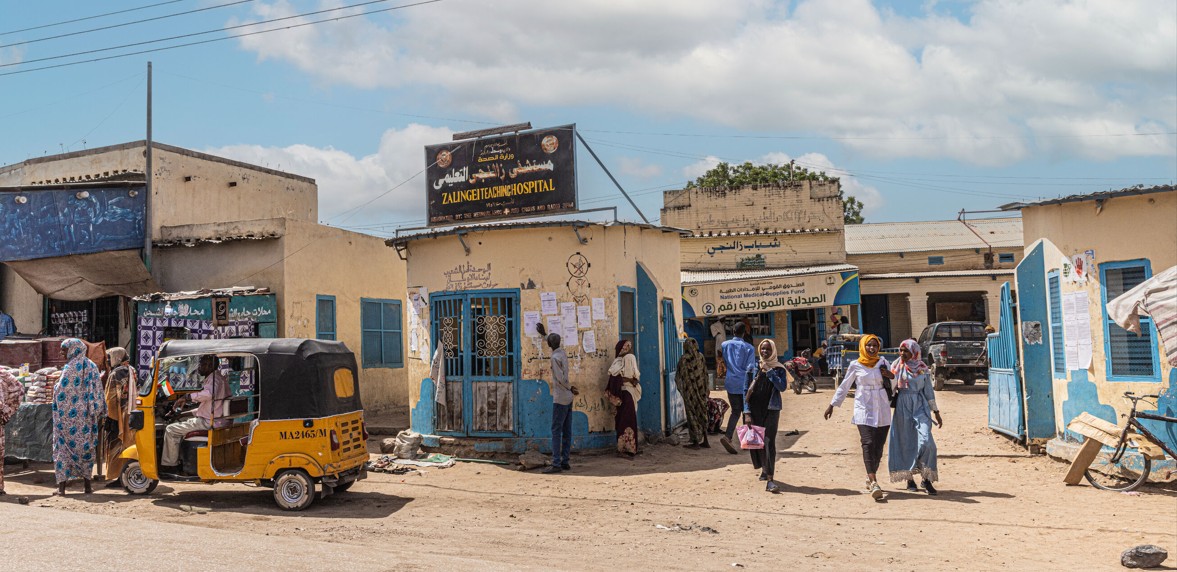
Médecins Sans Frontières (MSF) has withdrawn its staff from Zalingei hospital in Central Darfur for the second time this year after a deadly shooting that killed a Ministry of Health stretcher-bearer and wounded others.
MSF says it pulled teams to protect staff and patients and is demanding that the Rapid Support Forces (RSF) guarantee security before humanitarian activities can resume.
The organisation described attacks on medical facilities as unacceptable.
MSF said it would continue limited support while suspending on-site operations.
Coverage Differences
Tone & Emphasis
All three sources report the withdrawal and the death of a stretcher-bearer but frame the event slightly differently. Anadolu Ajansı (West Asian) underscores 'unsafe conditions' and presents the RSF demand as central, while allAfrica (African) focuses on the immediate casualty and MSF’s refusal to resume until RSF guarantees safety, and Dabanga (Other) similarly reports the death and stresses the protection rationale and calls on RSF to secure health facilities. Each source primarily reports MSF’s statements rather than attributing independent editorial judgment to MSF’s claims.
MSF services suspended in Zalingei
The pullout disrupts a wide range of services MSF had been providing at Zalingei: emergency, surgical, paediatric, obstetric and neonatal care, inpatient services and isolation tents used for measles and cholera responses.
MSF warned the suspension comes amid a large measles outbreak it has been treating since April and said it saw about 850 measles patients during the reporting period.
The organisation reported substantial levels of malnutrition among those cases, heightening risks of fatal complications.
MSF said three staff will remain to liaise with authorities and to supply medicines while on-site activities are halted.
Coverage Differences
Detail & Statistics
Sources concur about the service types disrupted but differ in how they present the malnutrition figures: Anadolu Ajansı reports 850 measles patients with 36% 'severe acute malnutrition', while allAfrica and Dabanga report 850 cases with 310 'acutely malnourished' patients. Dabanga additionally highlights the weekly rise in measles averages from 3 in July to 62 in November, a detail emphasized more by regional outlets than by Anadolu's summary.
MSF operations status
MSF says it has been engaging with authorities since Nov. 18 and with local communities and security agencies to seek guarantees for protection, but that it will not resume full humanitarian operations until safety is assured.
While withdrawing in the immediate aftermath, MSF committed to continue supplying medicines and human resources remotely and to keep a small liaison presence to coordinate with the Ministry of Health and other actors.
Coverage Differences
Reported Process vs. Demand
Anadolu Ajansı (West Asian) states MSF 'has been engaging authorities since Nov. 18 to secure protection' and emphasizes continued supply of medicines and human resources; Dabanga (Other) similarly details engagement 'with the Ministry of Health, local communities and security agencies' since 18 November and the retention of three liaison staff. allAfrica (African) stresses MSF's clear condition that it 'will not resume humanitarian activities until the Rapid Support Forces (RSF) guarantee the safety of staff and patients.' Each source reports MSF’s own statements rather than independent verification.
Sudan conflict and health
The incident in Zalingei sits within the wider Sudan conflict, which Médecins Sans Frontières and other outlets say has deeply affected civilian services.
Anadolu Ajansı frames the pullout in a broader security map and reports that the Rapid Support Forces now control all five Darfur states.
It cites World Health Organization figures that since April 2023 the conflict has killed at least 40,000 people and displaced 12 million.
Regional reporting focuses on immediate health-system strain and a surge in measles and malnutrition cases that Médecins Sans Frontières is trying to address.
Coverage Differences
Contextual Framing
Anadolu Ajansı frames the MSF withdrawal within national-level conflict dynamics and cites WHO casualty and displacement estimates, giving a wider security context. allAfrica and Dabanga focus more narrowly on operational health consequences at Zalingei—services being suspended, measles caseloads and malnutrition—without reproducing the national WHO toll quoted by Anadolu. Each source reports on MSF’s operational impact, but Anadolu adds national conflict statistics.
MSF withdrawal and coverage
MSF's position is consistent: it will not resume full services until security guarantees are provided.
It labels attacks on health facilities unacceptable and will keep a minimal liaison and medicines supply in place.
The three sources differ mainly in emphasis.
Anadolu Ajansı situates the withdrawal in a national-security picture and cites WHO casualty figures, while allAfrica and Dabanga foreground operational disruption, detailed case and malnutrition counts, and the sharp recent rise in weekly measles cases.
Coverage Differences
Summary & Omission
All sources quote MSF’s stance, but Anadolu Ajansı uniquely includes the August grenade incident and national WHO casualty/displacement totals; allAfrica and Dabanga provide more granular operational statistics (e.g., '310 acutely malnourished' and weekly measles rise). Where differences appear, they reflect each outlet’s emphasis rather than explicit contradiction in MSF’s reported claims.