Business03 February, 20263 min read
DOJ Files Reveal Jeffrey Epstein Invested $3 Million in Coinbase, Funded Blockstream and Invited Its Founders to His Island
Jeffrey Epstein invested about $3 million in Coinbase in 2014 via a U.S. Virgin Islands entity. Epstein funded Blockstream and invited founders Adam Back and Austin Hill to his private island.
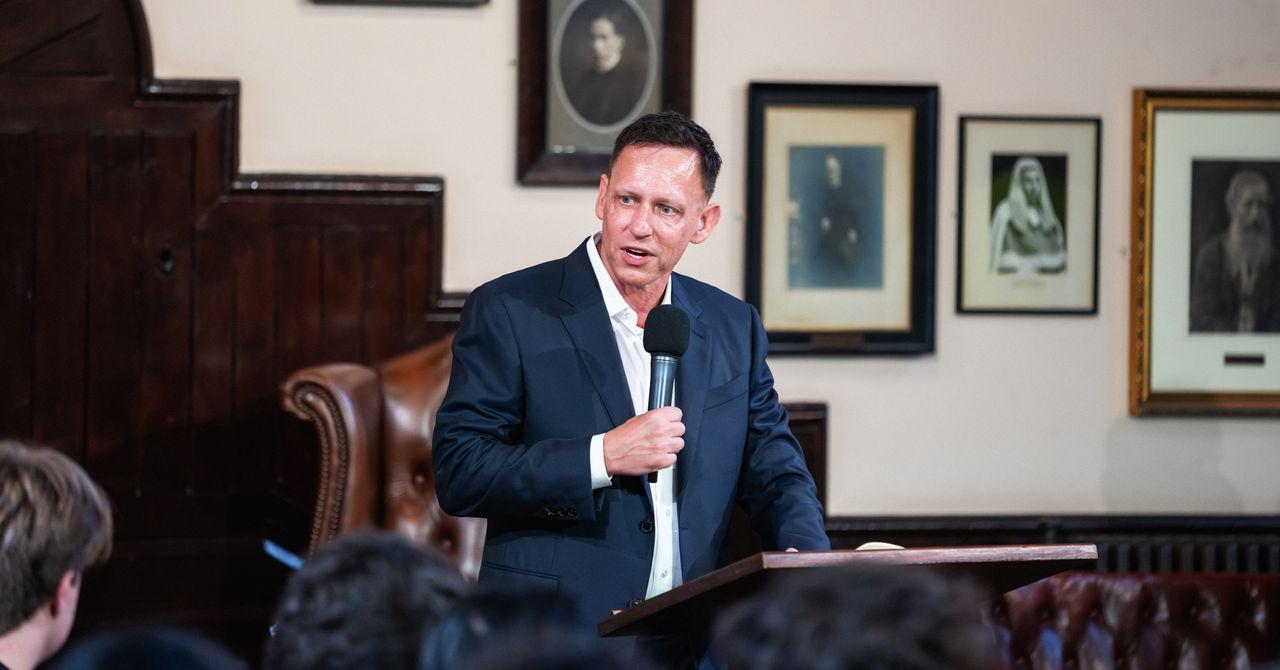
47 outlets told this the same way.
Outlets did split on CATL Starts Trial Production at Debrecen Battery Cell Plant in Hungary →
Epstein's crypto ties
Newly released Department of Justice files show Jeffrey Epstein invested in early cryptocurrency ventures.
“Newly released DOJ documents in the so-called Epstein files show Jeffrey Epstein secretly invested in crypto firms.”
The documents indicate a roughly $3 million purchase of Coinbase equity in 2014 through a U.S. Virgin Islands entity.

They also show participation by Epstein-linked entities in early funding tied to Blockstream and other seed-stage activity.
The papers include communications suggesting that some crypto figures received invitations to Epstein's private island.
Reporting across multiple outlets converges on these core facts and cites similar details.
Outlets such as Crypto.news, Decrypt, and TradingView report similar findings, including the Coinbase purchase and Blockstream seed-round participation.
The Washington Post frames the Coinbase stake as giving Epstein a small role in the rise of what is now a $51 billion public company.
Several outlets link names such as Brock Pierce and Brad Stephens to transactions and introductions referenced in the documents.
Coinbase stake sale details
Documents show Epstein purchased $3 million of Coinbase in 2014 when the company was valued at roughly $400 million. The files indicate he sold half that position in 2018 for about $15 million. TradingView reports a buyer named Stephens paid for 50% of the position on a roughly $2 billion valuation and says Brock Pierce helped facilitate the transaction.
Decrypt likewise reports that Epstein sold half his stake in 2018 for $15 million. These reports portray a modest early bet that later appreciated dramatically as Coinbase grew into a major exchange.
Epstein and Blockstream ties
Documents illuminate Epstein's connection to Blockstream and interactions with its founders and investors. Decrypt reports that Adam Back acknowledged Blockstream was introduced to Epstein through then-MIT Media Lab director Joi Ito during a 2014 seed-round roadshow. Decrypt also quotes an exchange in which an investor asked Epstein what he thought of Adam Back, and Epstein replied 'like him'.
“Adam Back (Blockstream) acknowledged that Blockstream was introduced to Epstein through then‑MIT Media Lab director Joi Ito during Blockstream’s 2014 seed-round roadshow.”
Crypto.news reports Epstein backed Bitcoin company Blockstream in 2014 but sold his position months later over conflicts. Blockstream CEO Adam Back is quoted saying the company has 'no financial ties to Epstein's estate'. TradingView notes Epstein-linked entities participated in Blockstream's seed round via multiple LLCs.
Media framing of Epstein ties
Beyond specific investments, the papers underscore Epstein’s broad reach into wealthy, philanthropic, and tech networks and show some contacts continued after his 2008 conviction. Azat TV stresses that listing names does not prove wrongdoing while also noting some interactions persisted after his 2008 Florida conviction. Alliance magazine highlights how messages and photos with figures like Richard Branson prompted ethical scrutiny of billionaire philanthropy, quoting Branson’s joking message: "As long as you bring your harem!"
WIRED emphasizes intensive Silicon Valley links, noting Peter Thiel’s name appears thousands of times and financial ties such as investments in Valar Ventures. Those differences highlight whether coverage foregrounds reputational risk, philanthropic oversight, or routine scheduling notes.
Public release controversy
The public release and its handling drew criticism in several outlets, creating ambiguity about what the files prove and how disclosures affect victims and ongoing inquiries. AP News reported redactions were reversible or incomplete and exposed sensitive images and data, Joburg ETC framed a clash between transparency and survivor safety and urged stronger safeguards, and NBC News and other outlets recorded survivors' attorneys condemning the release and the DOJ's handling. Many reports cautioned that appearing in the files is not evidence of criminality, highlighting a persistent tension between accountability, privacy, and interpretive caution in the coverage.
“Survivors and their attorneys condemned the Justice Department’s release of the documents, saying the DOJ breached earlier promises and failed to protect victims’ privacy.”