Crime24 December, 20252 min read
DOJ Releases 30,000 Epstein Pages That Include Rape Allegation Against Trump
Justice Department released nearly 30,000 pages of Epstein-related documents, the largest batch disclosed. Files contain multiple references to President Donald Trump, including flight logs and emails.
15 outlets told this the same way.
Epstein records release
The Justice Department released roughly 30,000 pages of records tied to Jeffrey Epstein under the congressionally mandated Epstein Files Transparency Act. The tranche includes photos, emails, court records, internal communications and flight logs, and is the largest disclosure to date in a staged release the DOJ says will continue while preserving legally required victim protections. Officials say the material adds detail about Epstein's contacts, travel records and possible associates, but many items are heavily redacted and prosecutors caution the documents do not by themselves prove wrongdoing.
“The Justice Department released a third set of records — roughly 30,000 pages — related to Jeffrey Epstein after a recent law required the disclosure.”
Allegations involving Donald Trump
Multiple sources report a January 2020 prosecutor email and related flight logs showing Donald Trump listed as a passenger on Jeffrey Epstein’s private jet at least eight times between 1993 and 1996, sometimes on flights that also listed Ghislaine Maxwell or members of Trump’s family. Outlets note that those internal notes and tips do not allege or prove criminal conduct, and the Department of Justice and the White House have pushed back, calling the claims unsubstantiated or "baseless." Several items in the release — including a 2020 unclassified FBI memo — record an allegation that a woman was told Trump invited her to a Mar-a-Lago party "for prostitutes," though the materials are presented as tips or unverified allegations rather than established facts.
Alleged forgeries and leaks
The batch also contains items that the DOJ and the FBI have said are forgeries or otherwise unreliable.
“The release also includes a letter apparently from Epstein to Larry Nassar postmarked Aug. 13, 2019; authorities later tried to authenticate it after it was found returned in a mailroom.”
Multiple outlets report at least one forged document: a purported letter from Jeffrey Epstein to former USA Gymnastics doctor Larry Nassar that referenced Mr. Trump.
DOJ forensics flagged the letter as fake because of its postmark, omissions in the return address, and the fact it was processed after Epstein’s death.
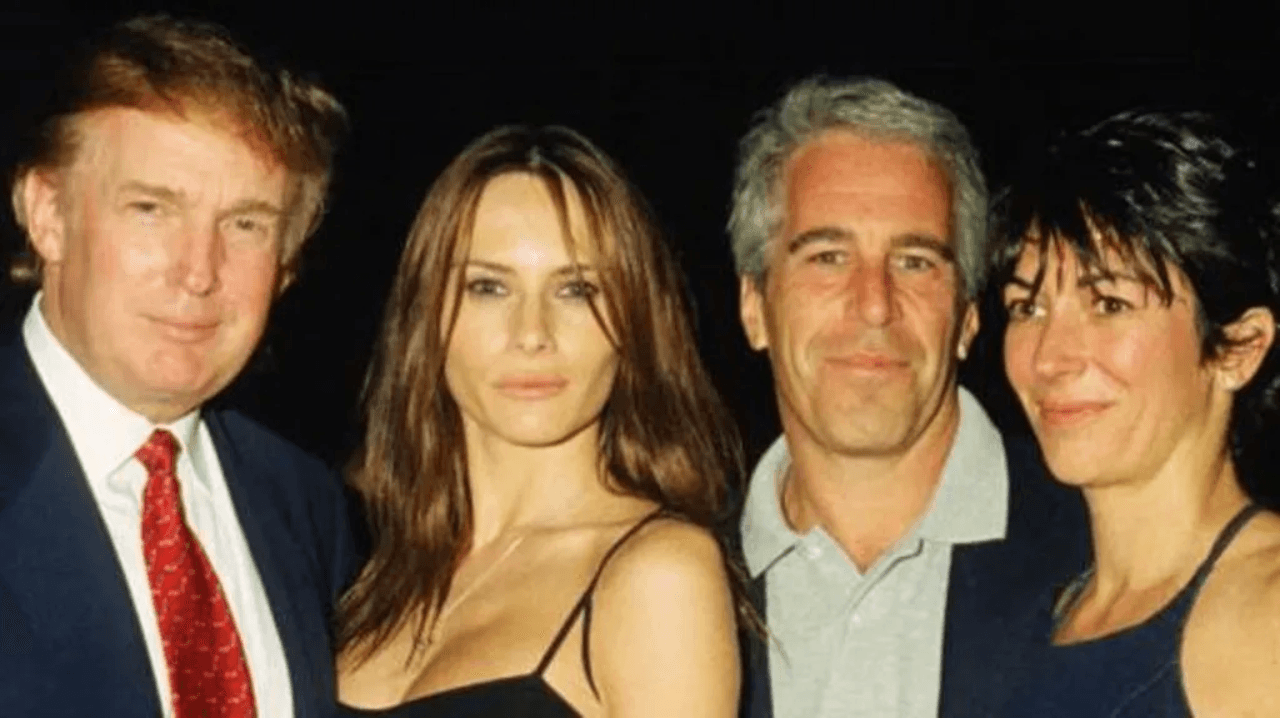
News coverage also highlights photos and devices seized in related probes, with CBS and The Independent noting a Trump‑Maxwell photo flagged on Steve Bannon’s phone.
Reporters warn the release creates risks of misinformation when unverified names and images circulate.
Epstein files redactions
Investigators' files from 2019 show they identified at least 10 alleged Epstein co-conspirators with vague geographic descriptors, and prosecutors prepared memos weighing charges; much of that material remains redacted or unreleased. News reports describe subpoenas, draft memos and internal exchanges referencing '10 co-conspirators,' but say none of those identities were revealed in this tranche.
Epstein and Maxwell remain the only people criminally charged so far. The partial release and heavy redactions have drawn criticism from survivors and lawmakers seeking more transparency.
Reactions to record releases
The releases have produced immediate political and public fallout. Some outlets frame the disclosures as potentially explosive for public figures named in the records, while others stress the DOJ's insistence that mentions are not proof and warn of misinformation risks.
“The releases have provoked political turbulence, including some dissent among Trump supporters, and commentators warn the disclosures could deepen divisions within the Republican Party.”
Congressional leaders and advocates have urged fuller disclosure of the "10 potential co-conspirators," while the DOJ and the White House have rejected that credible evidence would have been withheld. Survivors and privacy advocates say the piecemeal, redacted publication already caused harm and offered incomplete accountability.
