
DOJ Releases Millions of Epstein Files, Repeatedly Mentioning President Donald Trump
Key Takeaways
- DOJ reviewing more Epstein documents for release, including Trump-related items.
- Trump is repeatedly mentioned in Epstein documents released by the DOJ.
- GAO and other watchdogs investigate DOJ handling and publication of Epstein files.
DOJ releases, Trump named
The U.S. Department of Justice resumed disclosures in the Jeffrey Epstein case under the Epstein Archive Transparency Act, and the latest batch of materials again placed President Donald Trump in the center of the public debate over what the government knew and what it released.
“Donald Trump has tried to bury the Epstein case in recent months, but in Washington it remains a hot topic”
Telemundo New York reported that the DOJ released “more than three million pages of documents,” along with “more than 2,000 videos and 180,000 images,” and said the files were published on the department’s website after being held back from an initial disclosure in December.
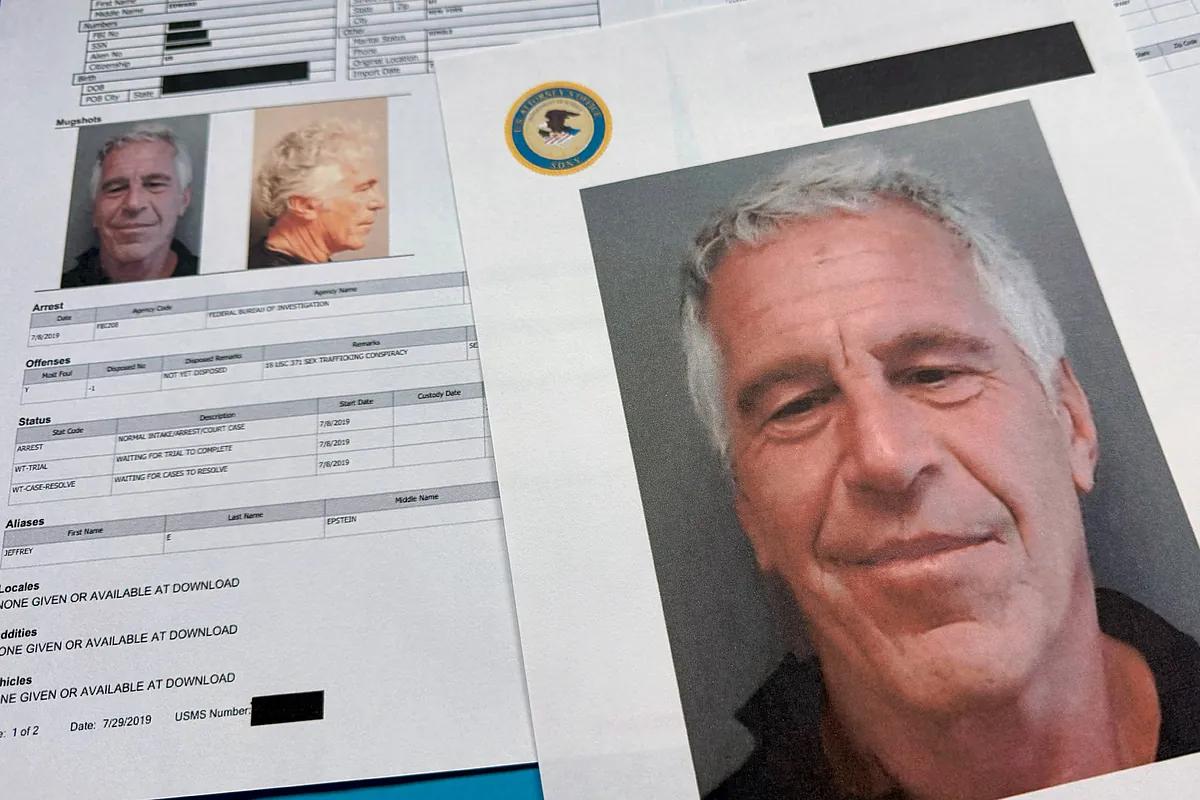
Deputy Attorney General Todd Blanche said, “Today's disclosure marks the end of a very thorough process of identifying and reviewing documents to ensure transparency to the American people and compliance with the law,” while also insisting, “we did not protect the president Trump, we did not protect anyone.”
Impacto Media, meanwhile, said “the name of the United States president, Donald Trump, is repeatedly mentioned in a new batch of documents about the pedophile Jeffrey Epstein,” and described DOJ warnings that some of the newly published documents contain “false and sensationalist accusations” about Trump.
Impacto Media also cited an FBI statement recorded on “October 27, 2020,” from a person who said she worked as a limousine driver in the Dallas area and claimed she drove Trump in 1995 to Fort Worth airport (Texas).
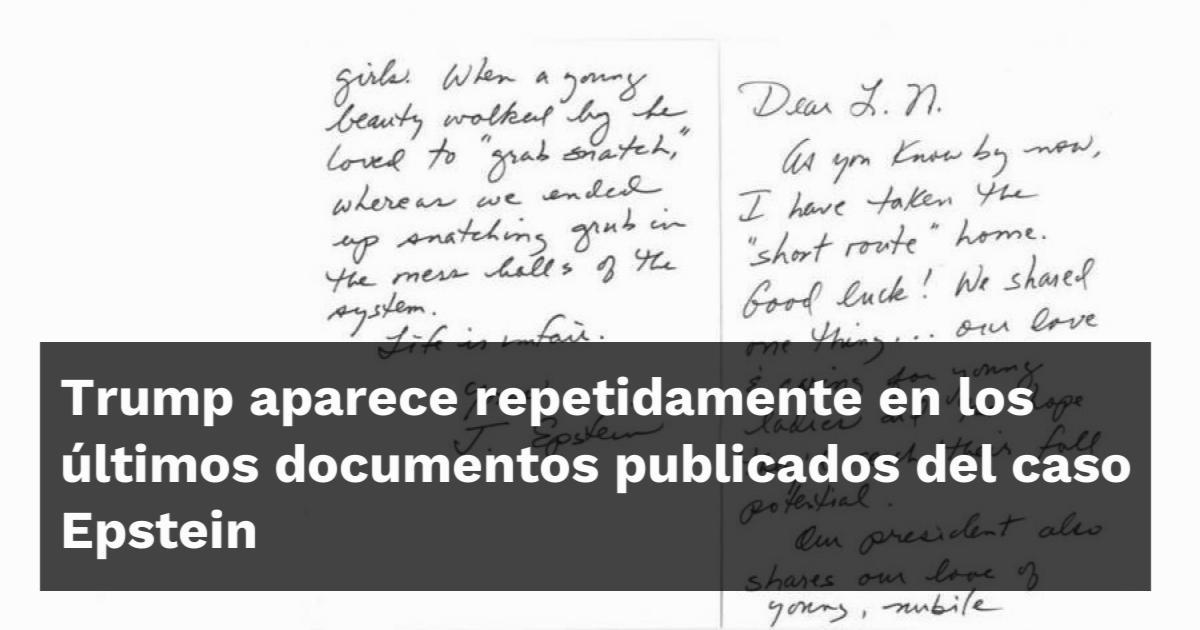
In the same Impacto Media account, the DOJ said a letter in the files that appears signed by Epstein is fake, adding that “the return address does not correspond to the prison where the financier was incarcerated.”
Scale, redactions, and process
The DOJ’s disclosures are being carried out in phases, with the department describing a large review effort to determine what must be redacted and what can be published.
Telemundo New York said the DOJ had “tasked hundreds of lawyers with reviewing the records to determine what needed to be redacted to protect victims' identities,” after missing a “December 19” deadline set by Congress.

It also reported that the number of documents subject to review had risen to “about six million, including duplicates,” and that some materials were withheld because they could “jeopardize any ongoing investigation or expose the identities of personal details about potential victims.”
Le Nouvel Obs reported that on “Wednesday, December 24,” the DOJ announced it was reviewing “more than a million documents” that could be related to the Epstein case for possible release and that it could take “several weeks.”
L’Opinion similarly quoted the DOJ saying, “Our lawyers are working tirelessly to review these documents and make the necessary changes to protect the victims, and we will publish the documents as soon as possible,” and added, “Because of the sheer volume of material, this could take several more weeks.”
Le Monde reported that the DOJ pledged on “Thursday, February 26,” to reexamine documents after accusations that it concealed documents mentioning Trump, and quoted the DOJ saying, “If a document turns out to have been misclassified during the review process, and it meets the criteria of the law, the department will publish it, of course.”
Photo reappears after review
Beyond the volume of records, the DOJ also drew attention for how it handled specific items in the public database, including a photograph involving President Donald Trump.
Negocios reported that the DOJ “re-published an image in the Epstein case documents database after removing it temporarily for review,” and said the photograph “was flagged by the Southern District of New York (SDNY) for potential further action aimed at protecting victims.”
Negocios quoted the DOJ’s explanation that the image was withdrawn “out of an abundance of caution” while its content was reviewed, and then republished “without alteration or redaction.”
The Negocios account described the photograph as showing “President Donald Trump within a set of images found in a desk drawer,” and framed the SDNY’s intervention as a “safety brake” procedure to pause, withdraw, or redact if there is a risk of identification.
Le Figaro described the DOJ’s insistence that “NOTHING has been removed,” saying only “duplicate documents, or those subject to a legal prohibition on publication, or part of an ongoing federal investigation” were not published.
L’Humanité and Le Figaro both quoted Democratic lawmakers calling the situation the “largest government cover-up operation in modern history.”
Accusations of withheld pages
As the DOJ continued publishing large batches, multiple outlets reported that some documents mentioning Trump were not included in the public database, triggering allegations that the department concealed or illegally withheld material.
L’Humanité said investigations by The New York Times, CNN, and NPR concluded that the DOJ “omitted — or deliberately concealed — documents mentioning accusations made against the President of the United States,” and it described NPR’s reporting that “several documents describing accusations against Jeffrey Epstein that mention Donald Trump were also removed from the public database.”
L’Humanité also said NPR journalists determined that “dozens of pages that appear to have been cataloged by the Department of Justice were not made public” and that “about 53 pages are missing from the Epstein public database,” including “more than fifty pages of interviews” and “notes accompanying FBI interviews with a woman who accused Trump of sexual abuse several decades ago, when she was a minor.”
Le Figaro similarly reported that calls for transparency rose after media revealed the government pulled documents mentioning Trump, and it quoted Democratic lawmakers saying, “This is the largest government cover-up operation in modern history,” and “We demand answers,” on X.
Rolling Stone reported that Democratic lawmakers accused the DOJ of “illegally withholding FBI documents related to allegations of sexual abuse of a minor involving President Donald Trump,” and said NPR revealed the DOJ withheld “more than 50 pages of FBI interviews with the accuser.”
In response to the accusations, Le Figaro said the DOJ urged lawmakers to “stop deceiving the public by manufacturing outrage from their anti-Trump radical base,” while maintaining that only duplicates, legal publication bans, or an ongoing federal investigation explained what was not made public.
Political pressure and next steps
The controversy over the Epstein files has become intertwined with political timing and public pressure, with lawmakers and survivors pushing for full disclosure and accountability.
“Donald Trump is once again swept up in the Epstein scandal storm”
Rolling Stone said Democrats sought to raise public awareness about the DOJ’s handling of the files “on the eve of Trump’s State of the Union address, scheduled for Tuesday evening,” and it described Democrats wearing pins calling for the full release of the files.

It reported that Representative Ro Khanna (D-CA) invited Haley Robson, a survivor of Epstein abuses, as a guest at the State of the Union address, and quoted Khanna saying, “We will not back down, we will not rest until we achieve justice for the survivors.”
Rolling Stone also said Khanna and Republican Representative Thomas Massie (R-KY) led the bipartisan effort to force the DOJ to publish the files and would “sit together at the State of the Union address despite their party differences.”
The same outlet quoted Representative Nancy Mace (R-SC) saying she would wear a pin “in honor of Virginia Giuffre, Epstein’s victim,” and it included remarks from Virginia Giuffre’s brother, Sky Roberts, saying, “America is at a crossroads.”
Le Monde reported that the DOJ pledged on “Thursday, February 26,” to reexamine documents and said it would publish documents if they were misclassified and met the criteria of the law, while Telemundo New York quoted Blanche saying, “There is a hunger, or a thirst, for information that I don't think will be satisfied by simply reviewing these documents.”
More on USA

7th Circuit Upholds Illinois Protect Illinois Communities Act Ban on Semiautomatic Guns
12 sources compared

Indiana State Police Trooper Justin Heflin Shot During Pursuit; Suspect Kevin W. Meyers Found Dead
10 sources compared

Donald Trump Fires Election Assistance Commission Members, Leaving No Commissioners
12 sources compared

Eight Accused Of Planning Terror Attack At Casa Blanca UFC Freedom 250 Event
18 sources compared