Crime19 December, 20253 min read
DOJ Releases Redacted Epstein Files After Legal Deadline, Withholds Full Documents
This article is an automated aggregation of coverage from news outlets. Our editorials offer in-depth analysis curated by the NewsCord team.
Justice Department released several hundred thousand Epstein-related documents in an initial batch. DOJ withheld thousands more items, conducting redactions to protect victims’ identities.

32 outlets told this the same way.
Epstein files release update
The Justice Department began publishing a large tranche of heavily reviewed Epstein-related materials after missing the statutory deadline set by the new Epstein Files Transparency Act. The department released several hundred thousand records immediately and said it would produce several hundred thousand more over the coming weeks. The law, signed by President Trump, required DOJ disclosure within 30 days but allows redactions to protect victims.
“Deputy Attorney General Todd Blanche said the DOJ will release ‘several hundred thousand’ records Friday and another several hundred thousand over the next couple of weeks.”
Deputy Attorney General Todd Blanche told media the staggered release was necessary because of the volume and to safeguard survivors. Agencies and courts have already made tens of thousands of pages public in recent months. The first DOJ batch included photos and investigative records, and additional releases were expected to follow as the department continues review and redaction work.

DOJ document release review
DOJ officials said the documents were being reviewed by many attorneys, including the National Security Division. They said the files would be redacted to protect victim identities and ongoing investigations, a process leaders argued required time to avoid exposing survivors or other innocent people. Reports noted the Southern District of New York judge has required the department to verify those protections.
Local outlets warned that the compressed review timetable raised concerns about potential errors. Critics pointed out that many items on the DOJ website were heavily redacted and that limited search functionality and timing raised questions about the usefulness of the initial release.
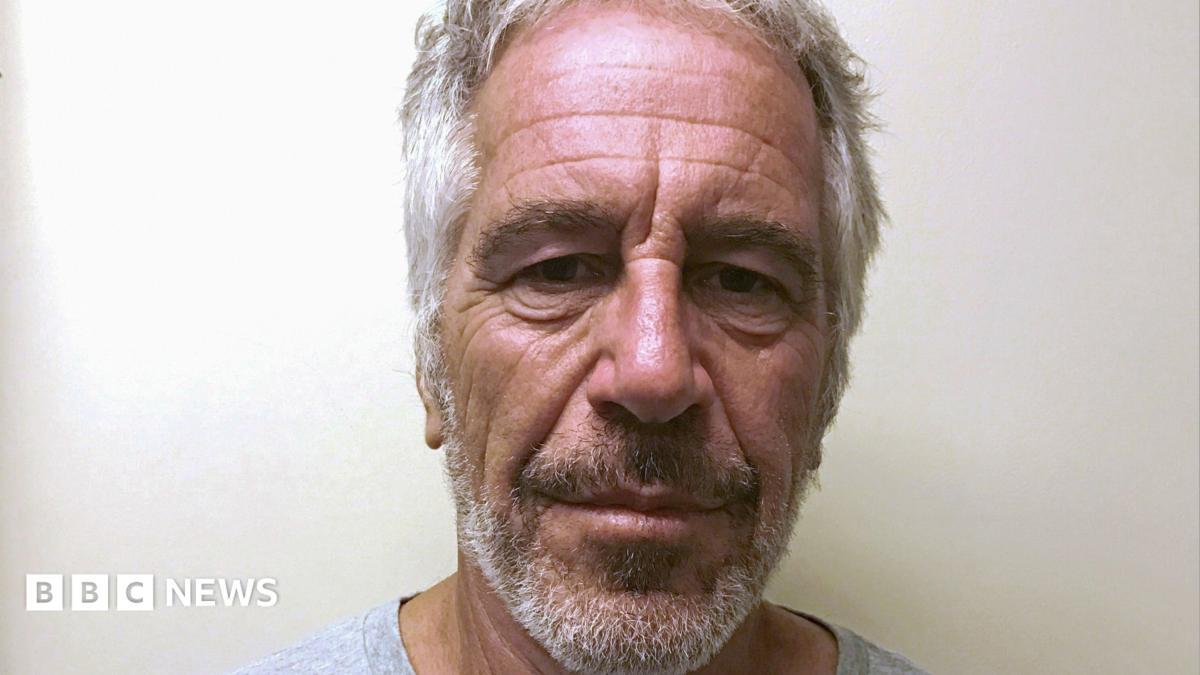
Epstein files disclosure
The disclosure comes amid a complex political backdrop.
“Trump, who had sought to keep the files sealed, signed a Nov. 19 bill forcing disclosure.”
President Trump initially opposed the measure but signed the Epstein Files Transparency Act on Nov. 19, which compelled the DOJ to release most communications and records.
House Democrats and other actors had already published tens of thousands of pages and images from subpoenas and estate seizures.
Some released items referenced public figures, including messages or notes reportedly linked to President Trump in earlier tranches, but outlets repeatedly cautioned that appearing in files does not equate to criminal wrongdoing.
The trove also includes records tied to Epstein's 2019 death in custody and long-running probes dating back to the 2000s.
Reactions to DOJ disclosures
Some House Democrats threatened legal action after the DOJ missed the deadline or produced a partial release, saying they are exploring avenues from subpoenas to court challenges. Other lawmakers warned that staggered, strategic drops could be used for political ends.
Survivors and advocates described disclosures as overdue but urged fuller transparency and careful redactions. Critics noted the law requires the DOJ to provide written justification within a short period when withholding materials, setting the stage for swift oversight fights.
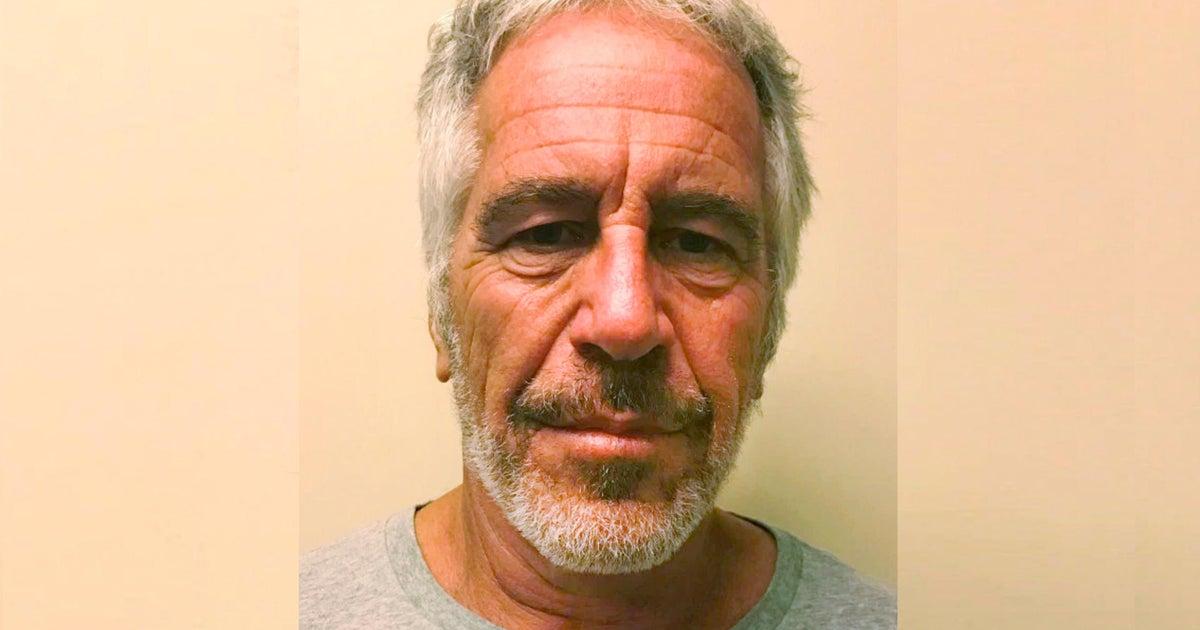

Uncertainty over document releases
Uncertainty remains about how complete future releases will be and whether the public will get the full, unredacted records many demand. Several outlets reminded readers that inclusion of a name in files does not prove guilt and noted prior DOJ briefings that found no basis to prosecute additional people.
“It’s unclear how much will actually be released, and the trove likely won’t include all unclassified records.”
Others flagged that House committees and private litigants have already publicized large swaths of material. They also noted that the DOJ's rolling approach and the required justifications for withheld items mean legal fights and additional disclosures will likely continue into 2025.
