USA23 December, 20253 min read
Donald Trump Defends Bill Clinton After DOJ Releases Epstein Photos, Calls Him 'Big Boy'
This article is an automated aggregation of coverage from news outlets. Our editorials offer in-depth analysis curated by the NewsCord team.
Justice Department released Epstein files including photographs of Bill Clinton Trump defended Bill Clinton, saying he can 'handle' the released Epstein photos
6 outlets told this the same way.
DOJ Epstein file release
The Department of Justice released the first tranche of files from its Jeffrey Epstein probe, including thousands of documents and several photos. Some images reportedly show former president Bill Clinton in situations that drew fresh scrutiny. Republic World reported the release included images that reportedly show Clinton on a private plane with a redacted-faced woman whose arm is around him, and in a pool with Epstein confidant Ghislaine Maxwell.
“Images reportedly show Clinton on a private plane with a redacted-faced woman whose arm is around him, and in a pool with Epstein confidant Ghislaine Maxwell and another redacted person.”
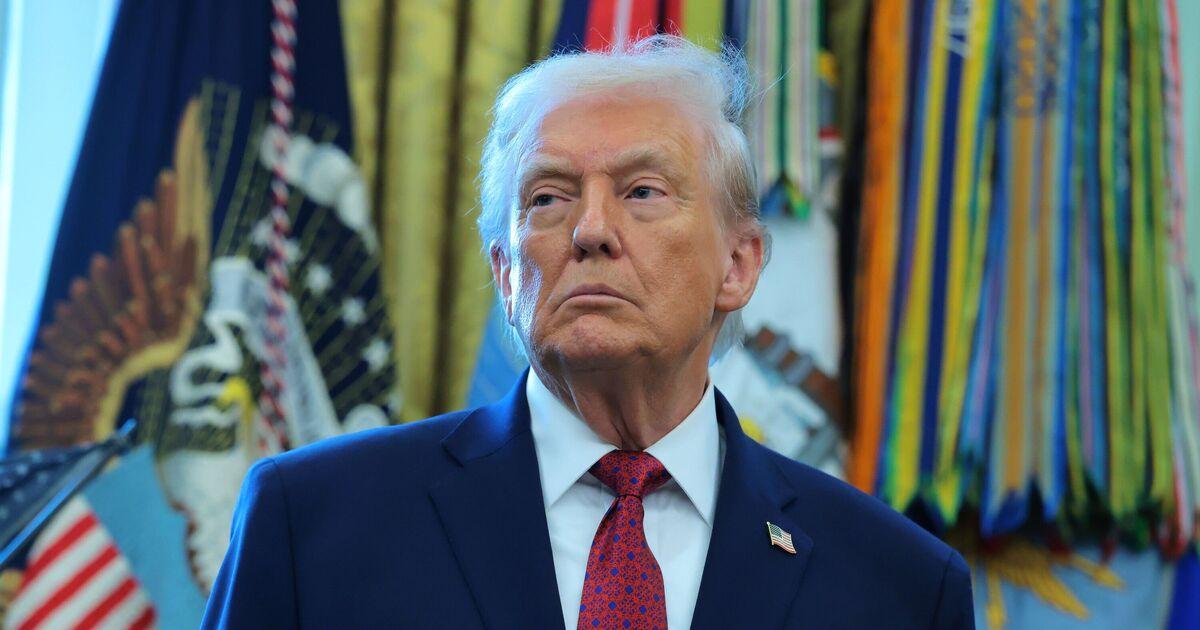
Republic World also said President Donald Trump criticized the release, calling Clinton a 'big boy' who 'can handle it.' The Sydney Morning Herald and The Age described Trump defending Clinton and criticizing the publication of photos tying people to Epstein after the DOJ was compelled to make parts of the case public. Hamariweb noted the release 'ignited a political firestorm,' with furious debate over what was posted and what remained redacted or removed during a 'victim privacy review.'
DOJ release and fallout
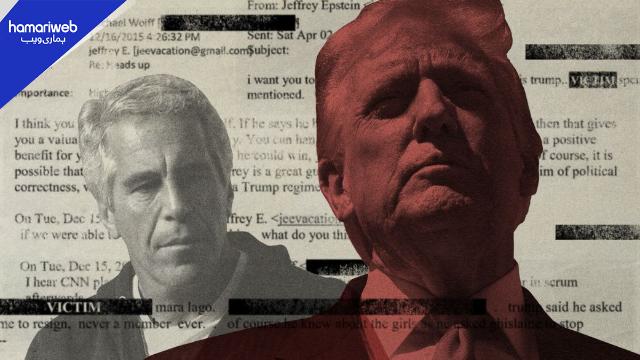
The release’s execution and legal fallout drew sharp criticism and political threats. Hamariweb reported that the DOJ missed a congressional deadline, posted thousands of photos, and left key documents and transcripts heavily redacted. That account said 16 files briefly disappeared from the site, including a photo reportedly showing Epstein with Donald and Melania Trump, before being restored in a 'victim privacy review.'
It said lawmakers are threatening legal action, including contempt proceedings against Attorney General Pam Bondi. The administration argued the redactions were needed to protect about 1,200 victims. The Sydney Morning Herald and The Age noted Democrats' accusations of a cover-up after the initial releases contained little on Trump and referenced threats of contempt proceedings.
Trump on Epstein photo leaks
At Mar-a-Lago, Trump framed the DOJ disclosures as unfair reputational damage and defended Clinton while criticizing media exposure of photos. The Sydney Morning Herald reported Trump said many prominent figures "were friendly" with Epstein years ago and lamented the reputational damage caused by being seen in pictures with him. The Age summarized his line that "many figures — 'mostly Democrats and a couple of bad Republicans' — were friendly with Epstein."
“Trump said many prominent figures ‘were friendly’ with Epstein years ago and lamented the reputational damage caused by being seen in pictures with him.”
Hamariweb captured Trump calling the leaks a "terrible thing" for people who merely attended the same parties and noted his unusually expressed sympathy for Bill Clinton as the material surfaced. Republic World quoted Trump saying he "hated to see the photos" and that Clinton could "handle it."
Mar-a-Lago policy pitch
Trump’s remarks came amid a staged public push. He used the same Mar-a-Lago appearance to pitch a new 'Trump-class' warship and a 'Golden Fleet' shipbuilding plan. Outlets said he presented the plan as a contrast to the DOJ controversy.
The Sydney Morning Herald wrote that Trump described his comments as being used to 'distract from his administration’s accomplishments.' Both The Age and the Sydney Morning Herald noted he unveiled the plan for a new 'Trump-class' warship at the event. Hamariweb added that the dispute over the release has become a 'major political flashpoint as attention turns toward 2026,' signaling wider political stakes beyond the documents themselves.
Media coverage differences
Republic World (Asian) foregrounds specific images and Trump's sympathetic quote about Clinton. Hamariweb (Asian) concentrates on procedural errors, redactions, missing files, legal threats, and concerns about victim privacy.
“Images reportedly show Clinton on a private plane with a redacted-faced woman whose arm is around him, and in a pool with Epstein confidant Ghislaine Maxwell and another redacted person.”
Western mainstream outlets The Sydney Morning Herald and The Age frame Trump's defense as political strategy and allege a cover-up given the limited material on Trump in the initial releases. Each source thus emphasizes different elements — raw imagery and quotes (Republic World), procedural legality and privacy (Hamariweb), and political messaging and context (The Sydney Morning Herald and The Age) — shaping distinct reader takeaways.
