Donald Trump Delays Decision On Potential U.S.-Iran Peace Agreement In White House Talks
Key Takeaways
- Trump has not made a final decision on the U.S.-Iran peace deal.
- Indirect negotiations between Washington and Tehran continue to seek a tentative agreement.
- Strait of Hormuz features centrally, with talks tied to easing the blockade.
Stalled MoU, new demands
President Donald Trump still had not made a decision as of Sunday afternoon on whether he would sign off on a potential peace agreement with Iran after a meeting in the White House Situation Room, with mediators led by Pakistan handling the back-and-forth between Washington and Tehran.
Trump said in a Truth Social post that the deal must see the Strait of Hormuz reopened and that Iran must work with the U.S. to have its highly enriched uranium "DESTROYED."

CBS News reported that the broad strokes of the memorandum include a 60-day cessation of violence and clauses that call for reopening the strait and a framework to reopen negotiations on Iran's nuclear program.
NBC News reported that Trump raised demands on the Strait of Hormuz, Iran’s nuclear program, and the release of Iranian assets frozen abroad, and that Iran called the U.S. demands "excessive."
Tehran rejects U.S. trust
Iranian leaders portrayed the talks as stalled and distrustful, with Mohsen Rezaei telling Mehr News, "As anticipated, the President of America is betraying diplomacy for the third time."
Iran’s Foreign Ministry spokesperson Esmail Baghaei told state broadcaster IRINN, "A final understanding has not yet been reached," and said nuclear issues were not being discussed in detail at this stage.

The Independent reported that a senior official accused Trump of "betraying diplomacy for the third time" while Mohsen Rezaei blamed the White House for failure to reach a peace deal over the continuing naval blockade and what he called excessive demands.
CNN Arabic reported that Parliament Speaker Mohammad Bagher Qalibaf said any potential agreement with Washington would not pass without guaranteeing 'the rights of the Iranian people in full,' and that Iranian negotiators 'do not trust either the words of the enemy or his promises.'
What’s at stake next
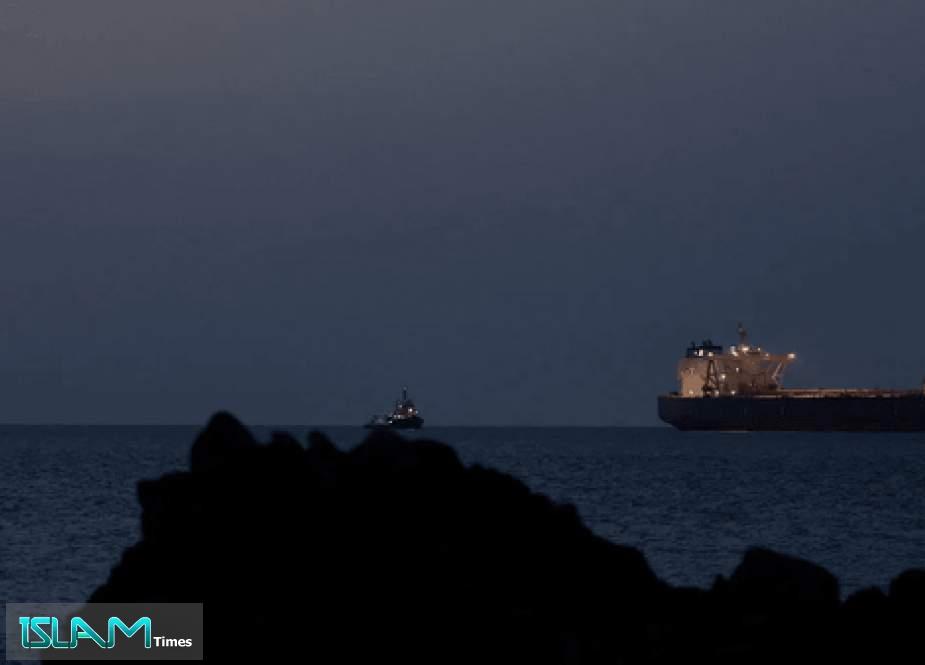
As the MoU work continued, the U.S. military enforced a naval blockade by firing a Hellfire missile into the engine of the Gambian-flagged cargo vessel in the Gulf of Oman, after U.S. Central Command said the vessel was allegedly trying to break through the blockade of Iranian ports.
CNN reported that the memorandum of understanding is still, at best, a work in progress, with Trump’s demands tied to reopening the Strait of Hormuz and the unfreezing of Iranian assets held overseas.
CNN Arabic said Trump stated that "The Strait of Hormuz must be opened immediately, and without tolls," and that Iran would be responsible for removing mines from the sea lane.
NBC News reported that Defense Secretary Pete Hegseth said Trump was "patient" and wanted to make a "great deal" ensuring Iran doesn’t get a nuclear weapon, while also saying the U.S. was ready to restart attacks on Iran if a deal cannot be reached.
More on Iran
Trump Still Decides on U.S.-Iran Peace Agreement After Edits on Strait of Hormuz
10 sources compared

Iran President Masoud Pezeshkian Submits Resignation Letter Citing IRGC Control, Report
12 sources compared

Trump Demands Tougher Iran Deal Language, Presses Nuclear and Strait of Hormuz Changes
14 sources compared

US Congress Expands US-Israel Military Integration Through Section 224 Defense Bill
21 sources compared