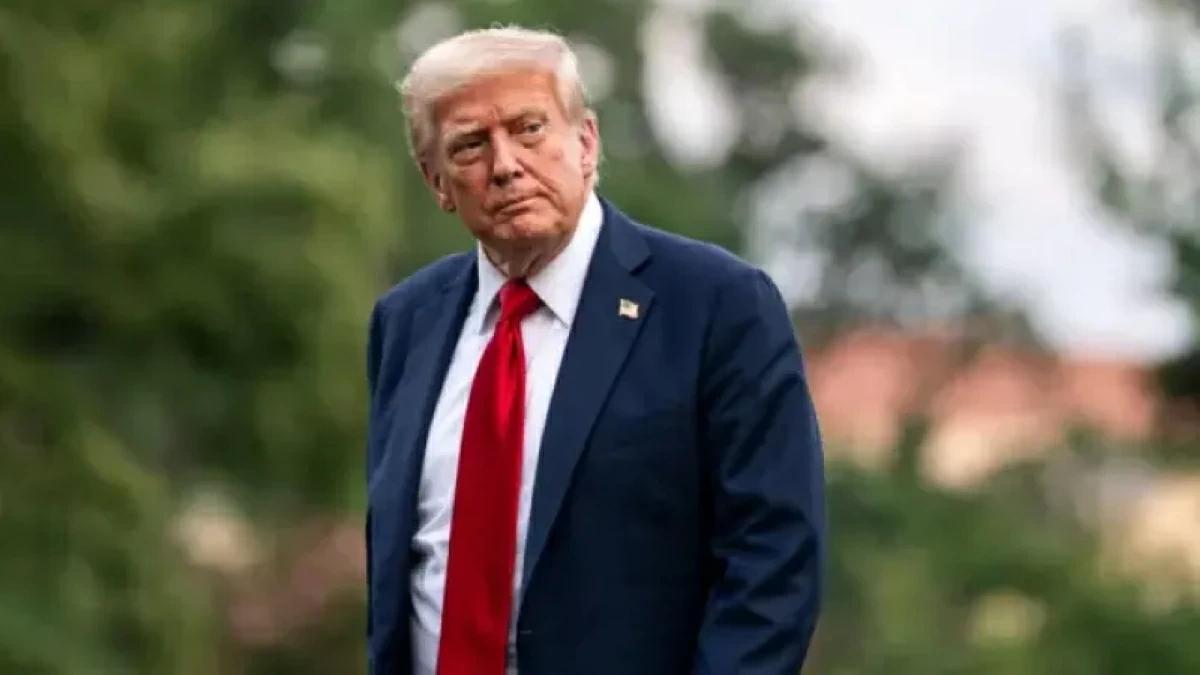
Donald Trump Demands Saudi Arabia, Qatar, and Others Join Abraham Accords in Iran Deal
Key Takeaways
- Trump says the Iran deal should include additional countries joining the Abraham Accords.
- Saudi Arabia and Qatar were named as examples to join.
- He framed this as mandatory for those states to participate.
Trump ties Iran deal
U.S. President Donald Trump said Monday that any agreement with Iran should include a requirement that additional countries join the Abraham Accords, a set of U.S.-brokered agreements aimed at normalizing relations with Israel.
In a Truth Social post, Trump wrote, "It should start with the immediate signing by Saudi Arabia and Qatar, and everybody else should follow suit."

Trump also said negotiations with the Islamic Republic of Iran were "proceeding nicely" and warned that the outcome would be "a Great Deal for all or, no Deal at all — Back to the Battlefront and shooting, but bigger and stronger than ever before — And nobody wants that!"
The ABC reported that the demand followed a phone call between Trump and leaders and senior officials from Saudi Arabia, the United Arab Emirates, Qatar, Pakistan, Türkiye, Egypt, Jordan and Bahrain over the weekend as talks continued through mediators Pakistan.
NBC News reported that Trump pointed to Saudi Arabia and Qatar as countries that should "immediately" sign on, followed by Pakistan, Turkey, Egypt and Jordan, while Bahrain and the United Arab Emirates became the first countries to join in 2020.
Silence and conditions
Axios reported that during the Saturday conference call, there was "silence" when Trump raised the issue of normalizing ties with Israel, and a U.S. official said, "There was silence on the line, and Trump joked and asked if they are still there."
The Times of Israel said Trump insisted on Monday that six Muslim-majority countries join the Abraham Accords ahead of any U.S.-Iran deal, specifying Saudi Arabia, Qatar, Pakistan, Turkey, Egypt, and Jordan.

In the same reporting, the Times of Israel noted that it was not clear why Egypt and Jordan would be required to sign because both have had peace treaties with Israel since 1979 and 1994.
NBC News said Iran’s foreign ministry spokesperson Esmaeil Baghaei told reporters that Iran would not take tolls for passage through the Strait of Hormuz, but added that it was "normal for services provided to require a price."
NBC News also reported that Netanyahu said on Sunday he and Trump agreed any final agreement with Iran must remove the nuclear threat posed by Tehran, including dismantling Iran's nuclear enrichment facilities and removing enriched nuclear material from its territory.
Strait of Hormuz and next steps
The ABC reported that after Iranian state media began to chip away at Trump’s insistence the Strait of Hormuz would reopen without any restrictions, Trump struck a more cautious tone and the ABC asked Iran’s foreign ministry spokesperson Esmaeil Baghaei about whether tolls would be charged.
Baghaei said, "We do not collect tolls … in my opinion, one should be careful in the choice of words," and he added that costs for navigational services and measures to protect the environment "must be collected" but should not be described as tolls or duties.
CBC reported that the U.S. military carried out strikes in southern Iran Monday against targets including boats attempting to lay mines and missile launch sites, which U.S. Central Command described as defensive actions designed "to protect our troops from threats posed by Iranian forces."
CBC also reported that Netanyahu said on Monday night, "We are at war with Hezbollah, and we will intensify our strikes," after Trump linked a permanent ceasefire to the Abraham Accords.
In parallel, the ABC said rescue and diplomatic efforts continued as Trump’s Truth Social post followed negotiations between the U.S. and Iran through mediators Pakistan, with Trump saying negotiations were "proceeding nicely" while Iran’s spokesperson said no one could say an agreement was imminent.
More on Iran
U.S. Conducts Self-Defense Strikes in Southern Iran as Iran-US Talks Continue in Qatar
12 sources compared
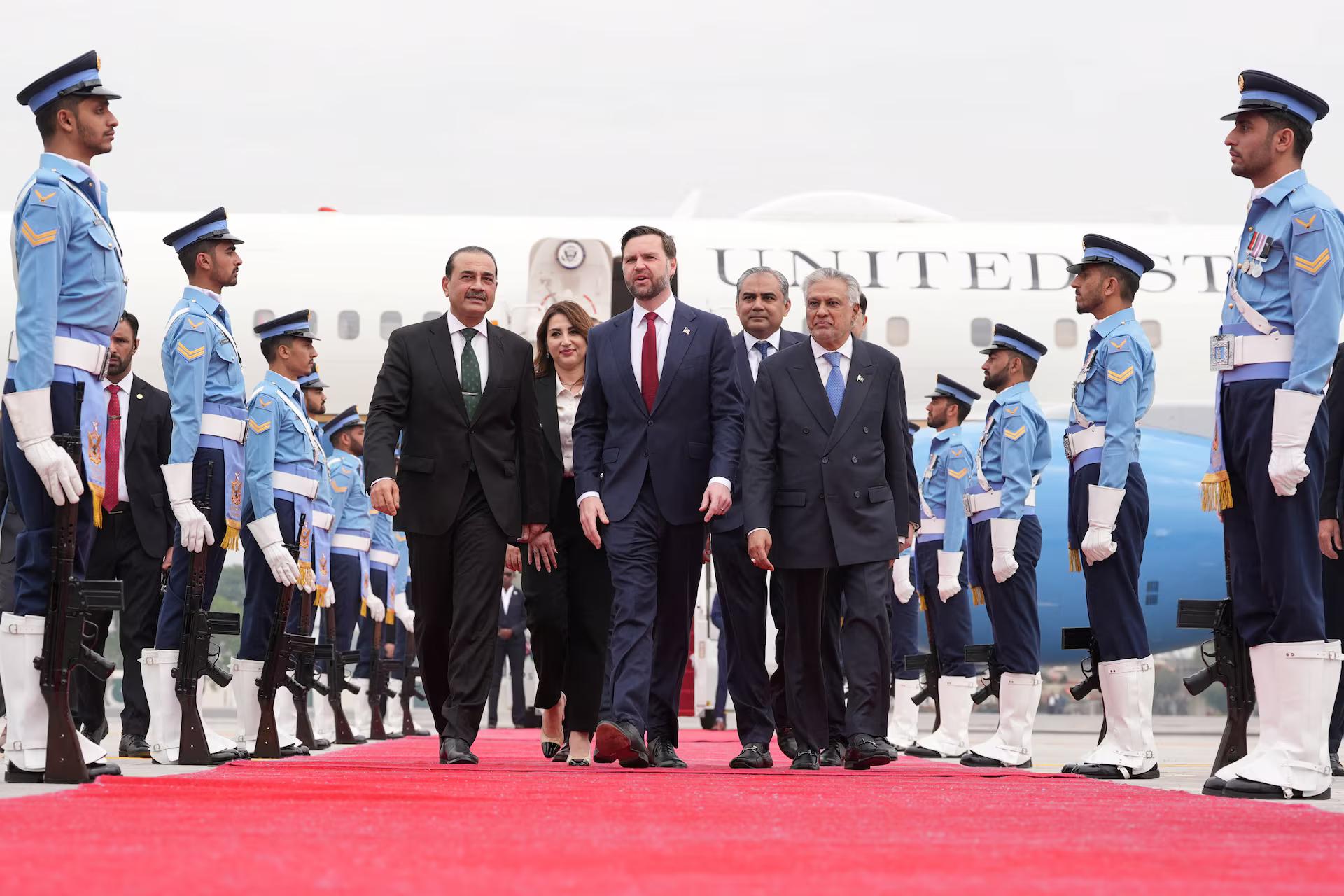
Iranian Officials Continue Talks in Qatar as Trump Demands Abraham Accords and Rejects Uranium Deal
13 sources compared

Trump Halts Planned Attack on Iran After Qatar, Saudi, UAE Request Delay
13 sources compared
Iran’s Top Negotiators Arrive in Qatar as Trump Signals Mixed Iran Deal Prospects
13 sources compared