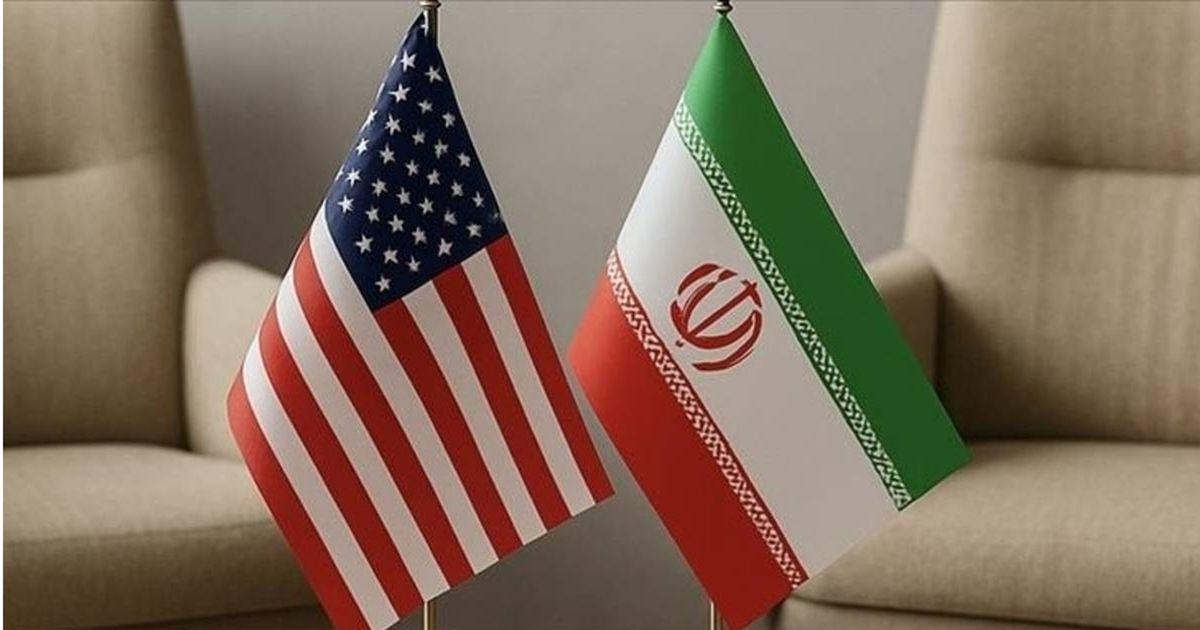
Donald Trump Extends U.S. Blockade of Iranian Ports, Driving Brent and WTI Oil Prices Higher
Key Takeaways
- Trump prepared to extend the U.S. naval blockade of Iranian ports.
- Brent near $117 and WTI around $105 amid blockade fears.
- Iran's proposal to reopen Hormuz failed to reassure traders.
Extended blockade fears
Oil prices jumped as reports said the United States would extend its blockade of Iranian ports, with Brent crude rising to levels described as near the highest since the Iran war began.
“Global crude oil prices are rising due to concerns over supply disruptions in West Asia and uncertainty surrounding US policy towards Iran”
The Guardian reported that “oil and gas prices are pushing higher amid worries that the US blockage of Iran may drag on for months,” and said Brent crude was “up 5% at almost $117 a barrel, close to the highest level set since the Iran war began ($119.50 a barrel).”

The BBC said oil prices “soared following reports that the US is preparing for an 'extended' blockade of Iran,” adding that “Brent crude rose to over $117 (£86.71) a barrel on Wednesday afternoon.”
CNBC similarly reported that “Oil prices jumped more than 5% Wednesday” on a report that President Donald Trump was prepared to keep the U.S. Navy blockade in place for an extended period.
The Pashto News and Current Affairs Channel said the rally gained pace after “Donald Trump directed his team to prepare for a longer blockade of Iran,” and that “Brent crude for June delivery climbed to $111.78 per barrel, extending its winning streak.”
In the same coverage, West Texas Intermediate moved higher as “US West Texas Intermediate crude reached $100.50 per barrel,” according to the Pashto News and Current Affairs Channel.
Across the reports, the Strait of Hormuz was repeatedly described as the key chokepoint, with the BBC noting it had been “effectively closed for weeks due to the conflict” and the Pashto News and Current Affairs Channel saying restrictions around the strait had “disrupted flows in one of the world’s most critical energy corridors.”
How the standoff escalated
The reports tied the market reaction to a broader escalation around the Strait of Hormuz and the U.S. blockade of Iranian ports, describing a conflict that had already been underway for weeks.
The BBC said the “key Strait of Hormuz has been effectively closed for weeks due to the conflict,” and it linked the disruption to “US and Israeli strikes that began on 28 February.”

It added that “Iran has severely restricted shipping through the strait — which usually carries about a fifth of the world's supply of oil and liquid natural gas — in response to US and Israeli strikes,” and said Tehran warned that “any vessel that approaches the strait would be targeted.”
The BBC then described the U.S. response: “The US then announced that its forces would intercept or turn back vessels travelling to or from Iran's ports.”
The Pashto News and Current Affairs Channel framed the blockade as a pressure tactic, saying the move “aims to tighten pressure on Iran’s economy by restricting shipping to and from its ports,” while also noting that “Iran has limited shipping through the Strait of Hormuz, while the US continues to block Iranian ports.”
Al Jazeera reported that oil prices were rising even after Iran proposed reopening the strait, and it said Tehran’s threats had reduced traffic “to a trickle over the past two months.”
Al Jazeera also provided a specific measure of traffic reduction, saying “Only eight vessels crossed the strait on Sunday, down from 19 transits the previous day,” and it contrasted that with “an average of 129 vessels passed the strait each day” before the war began.
In the same Al Jazeera account, the disruption was quantified beyond shipping counts, with a Goldman Sachs estimate that “the blockade and attacks on regional energy infrastructure have reduced global oil production by 14.5 million barrels per day.”
Trump, Tehran, and markets
The coverage placed President Donald Trump at the center of the blockade extension narrative, while Iranian officials were described as insisting the blockade would not stop their ability to disrupt traffic.
“Oil price jumps above $117 after reports of 'extended' Iran blockade Oil prices have soared following reports that the US is preparing for an 'extended' blockade of Iran”
The BBC said the meeting at the White House involved Chevron, reporting that “US oil giant Chevron met President Donald Trump at the White House on Tuesday to discuss how to limit the fallout from the conflict on American consumers,” and it added that “Oil traders appear to have taken the meeting as a sign the effective closure of the Strait of Hormuz will continue for a prolonged period of time.”
CNBC said Trump had decided “to continue the blockade of Iran rather than resume bombing or walk away from the conflict,” and it reported that “Trump threatened Iran again on Wednesday in a Truth Social post, saying the country "better get smart soon!" and accusing Tehran's leadership of failing to "get their act together."”
The Guardian similarly reported that “Energy prices rose following reports that U.S. President Donald Trump met with top officials from energy companies on Tuesday,” and it said the talks centered on “U.S. oil production, oil futures, shipping and natural gas.”
The BBC also described Iran’s position, saying “Iran has said it will continue to disrupt traffic travelling through the Strait of Hormuz in response to the US blockade,” and it quoted Tehran’s warning that “any vessel that approaches the strait would be targeted.”
On the economic side, the BBC said Iran’s inflation had risen to “53.7%,” and it reported that “Around two million Iranians have lost their jobs, directly or indirectly, as a result of the war, the Iranian government had said last week.”
It also reported that Trump urged Iran to sign a deal, saying on Wednesday he urged Iran to “get smart soon” and sign a deal “following days of deadlock in efforts to end the conflict.”
Al Jazeera added another layer by reporting that Iran’s foreign minister, Abbas Araghchi, shared proposals to reopen the strait with Pakistan, while noting “The US has not commented publicly on the Iranian proposal.”
Divergent market framing
While the core story across outlets was the prospect of an extended U.S. blockade, the reports framed the implications differently, from near-term price levels to longer-run supply forecasts.
The BBC anchored its narrative in the immediate jump, saying “Brent crude rose to over $117 (£86.71) a barrel on Wednesday afternoon,” and it described the market’s interpretation of the White House meeting as a sign the strait’s closure would persist.
The Guardian emphasized the macro-financial spillover, saying the oil and gas jump “threatens to push up inflation” and noting that “the yield, or interest rate, on two-year UK gilts has hit its highest level since laste March, up 13 basis points (0.13 percentage points) at 4.58% today.”
CNBC focused on the policy choice, reporting that Trump had decided “to continue the blockade of Iran rather than resume bombing or walk away from the conflict,” and it tied the decision to negotiations that “have stalled in recent days.”
In contrast, ING’s analysis framed the disruption as a timeline problem, saying “Eight weeks have now passed since US and Israeli strikes on Iran,” and it described “around 14m b/d of oil supply” as disrupted after considering diversions.
ING also laid out a base case for when flows might resume, stating it was “now assuming that oil flows through the Strait of Hormuz will slowly start resuming in May and June,” and it projected “ICE Brent averaging $104/bbl ($96 previously) over 2Q26.”
The same ING piece also laid out scenarios, warning that “a near full closure of the Strait of Hormuz persisting through May” would likely see “Brent finding a floor above $100/bbl for the remainder of the year.”
Al Jazeera’s framing leaned on shipping counts and the failure of Iran’s proposal, saying Tehran’s offer “failed to assuage traders’ concerns” and that “Only eight vessels crossed the strait on Sunday.”
Even within the alternative outlets, the framing diverged: Bitcoin World claimed “WTI price forecast now inches closer” to $100 and asserted “Iran currently exports approximately 1.5 million barrels per day (bpd),” while MEXC said WTI hovered around “$97.00 per barrel” and described the reports as “fresh reports” that the U.S. plans to extend its naval blockade.
What comes next
The sources described immediate market sensitivity to enforcement and longer-term risks to supply, with multiple reports pointing to inventories, shipping delays, and the possibility of sustained disruption.
The Pashto News and Current Affairs Channel said “falling US inventories” supported the price rise, stating “crude stocks dropped for a second straight week,” and it added that “Gasoline and distillate supplies also declined, adding to concerns about tightening availability.”

The BBC warned that the impact in the UK had been “largely limited to higher petrol and diesel prices,” but it quoted Lindsay James saying “every day that passes without a resumption of supply sees the risk of physical shortages and steeper price rises on a range of goods increasing.”
ING’s analysis suggested the disruption could persist into later quarters, saying its base case assumed flows would resume “in May and June” but “remain below pre-war levels for most of the year,” while also projecting that “Low inventories and the need to restock” would keep “oil prices” “relatively well supported for the foreseeable future.”
Al Jazeera warned that even if a deal ended the war, “it will likely take months for energy flows to return to normal,” citing “the backlog of unloaded oil and gas, damage to infrastructure and the need to clear the waterway of Iranian mines.”
Another outlet described the blockade’s operational effects through shipping movements, with Oilprice.com reporting that “the blockade against ships entering or exiting Iranian ports continues” and that “U.S. forces have redirected 34 vessels,” while also saying satellite and maritime intelligence showed “at least six Iranian tankers” loitering near Chabahar.
The same Oilprice.com account said Vortexa data indicated “some 160 million barrels of Iranian crude were on water as of April 21,” including “130 million barrels that were already outside the U.S. blockade area,” and it concluded that this was “sufficient to supply about 2.5 months of typical Chinese import needs.”
Looking at consequences beyond energy, the Guardian’s business live coverage linked higher energy prices to inflation pressure and UK borrowing costs, while the BBC tied Iran’s economic strain to “rapidly rising prices, falling currency value” and “prospects of the oil exports grinding to a halt.”
Across the reporting, the next step repeatedly returned to whether the U.S. would extend the blockade and whether Iran would reopen the strait, with Al Jazeera noting Iran’s proposal to reopen the strait “in exchange for deferring nuclear negotiations” and the BBC reporting that Trump urged Iran to sign a deal “following days of deadlock in efforts to end the conflict.”
More on Iran
Oil Prices Climb as Iran Proposes Reopening Strait of Hormuz With U.S. Nuclear Talks Deferred
13 sources compared

Sir Christian Turner Says U.S. Only Special Relationship Is Probably Israel
14 sources compared

U.S. Intelligence Agencies Assess How Iran Would Respond If Trump Declares Victory
13 sources compared
Trump Administration Rejects Iran Proposal To End War, Reopen Strait of Hormuz Without Nuclear Program
11 sources compared