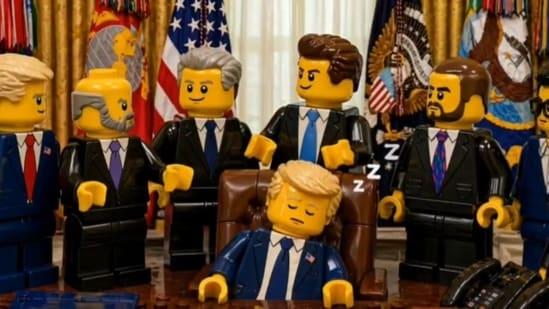
U.S. Intelligence Agencies Assess How Iran Would Respond If Trump Declares Victory
Key Takeaways
- US intelligence analyzes Iran's potential reaction to a unilateral victory declaration by Trump.
- Assessment requested by the White House to gauge implications of ending the war.
- Two-month conflict with thousands killed, driving White House concerns about costs.
Victory declaration exit debate
U.S. intelligence agencies are assessing how Iran would respond if President Donald Trump were to declare a unilateral victory in the two-month-old war, as the White House weighs scaling back the conflict amid rising political costs.
“At the request of the White House, US intelligence is assessing the consequences of a possible unilateral US declaration to end the war with Iran”
Reuters reported that the analysis is being conducted at the request of senior government officials, with two U.S. officials and another person familiar with the matter describing the work.
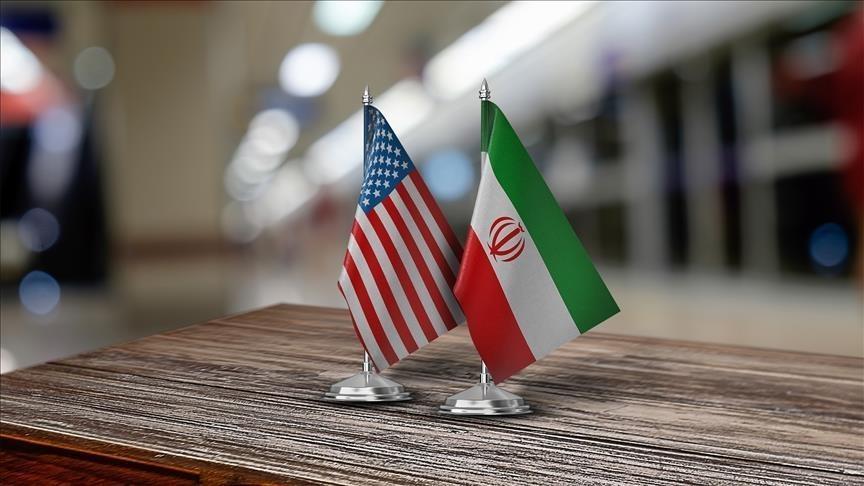
The goal is to understand the implications of a possible U.S. withdrawal from the conflict, and multiple outlets tie the review to fears that ending the war could carry political consequences for Republicans.
The scenario described across reports is that Tehran would likely treat a U.S. withdrawal after a victory declaration as its own triumph, while a victory declaration paired with a heavy troop presence would be viewed as a negotiating tactic rather than an end to the war.
Reuters also reported that “if Trump declares victory and US forces withdraw from the region, Iran is likely to view that as its own victory.”
In the alternative scenario, Reuters quoted a source saying, “If Trump instead said the US had won but maintained a heavy troop presence, Iran would likely see it as a negotiating tactic, but not one that would necessarily lead to the end of the war.”
The review is described as ongoing and not yet tied to a final decision, even as Trump could “easily ramp back up military operations,” according to CBC’s account of the same Reuters-sourced reporting.
Domestic politics and polling
The intelligence review is explicitly linked to domestic political pressure on the Trump administration to end what Reuters describes as a war that has become a political liability.
Multiple outlets say advisers fear the conflict could lead to heavy losses for Trump’s Republicans in the late-autumn congressional elections, and they connect that concern to the timing of the midterm elections scheduled for November.
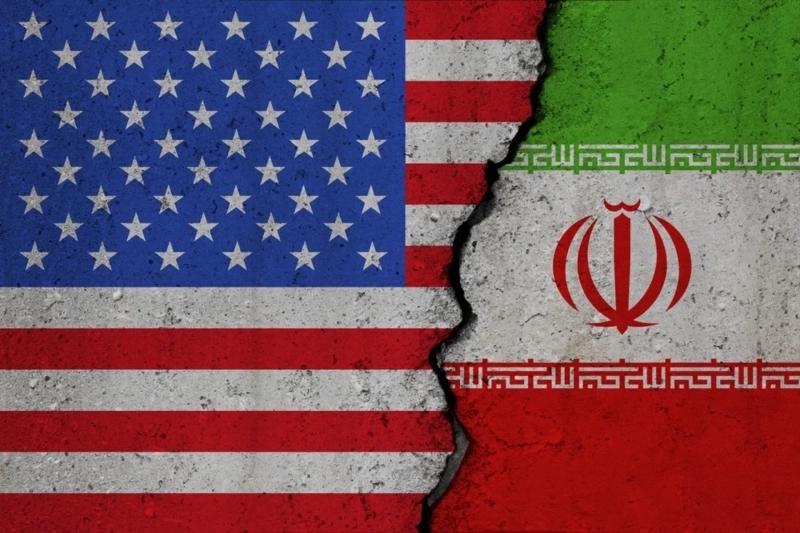
Middle East Monitor frames the pressure as “mounting political pressure to end the ongoing war with Iran,” describing it as a heavy burden on the White House.
Reuters/Ipsos polling is cited in several reports, including a figure that only 26 percent of respondents said the operation was worth the cost and only 25 percent said it had made the United States safer.
CBC repeats the same numbers, stating, “Only 26 per cent of respondents in a Reuters/Ipsos poll released last week said the military campaign has been worth the costs, and only 25 per cent said it has made the U.S. safer.”
The political pressure is described as “enormous” by a White House official in Reuters-based reporting, and Report.az likewise quotes the same characterization.
The outlets also describe the war as unpopular with Americans, with VOI.id and other Reuters-derived accounts emphasizing that the conflict has lasted two months and become a political burden for the White House.
CIA and White House responses
While the intelligence community is said to be analyzing Iran’s likely response, the CIA publicly distanced itself from the reported assessment.
Reuters reported that the CIA said it was not aware of the reported assessment, and Caliber.Az and other outlets attribute the same point to Liz Lyons, director of the agency’s office of public affairs.
Caliber.Az quotes Lyons saying, “CIA is not familiar with the intelligence community's reported assessment,” and it adds that the CIA declined further comment.
The Office of the Director of National Intelligence is also described as declining to comment in multiple outlets, including Caliber.Az and CBC.
On the White House side, Anna Kelly is quoted emphasizing that the president would not be rushed into a bad deal and that Iran cannot possess a nuclear weapon.
CBC quotes Kelly saying, “The president will only enter into an agreement that puts U.S. national security first, and he has been clear that Iran can never possess a nuclear weapon,” and it also includes the line that the U.S. would “not be rushed into making a bad deal.”
The reporting also notes that Trump canceled a planned trip by special envoy Steve Witkoff and adviser Jared Kushner to meet Iranian officials in Pakistan, telling reporters it would take “too much time” and that “if Iran wanted to talk 'all they have to do is call.'”
Blockade, Strait of Hormuz, and costs
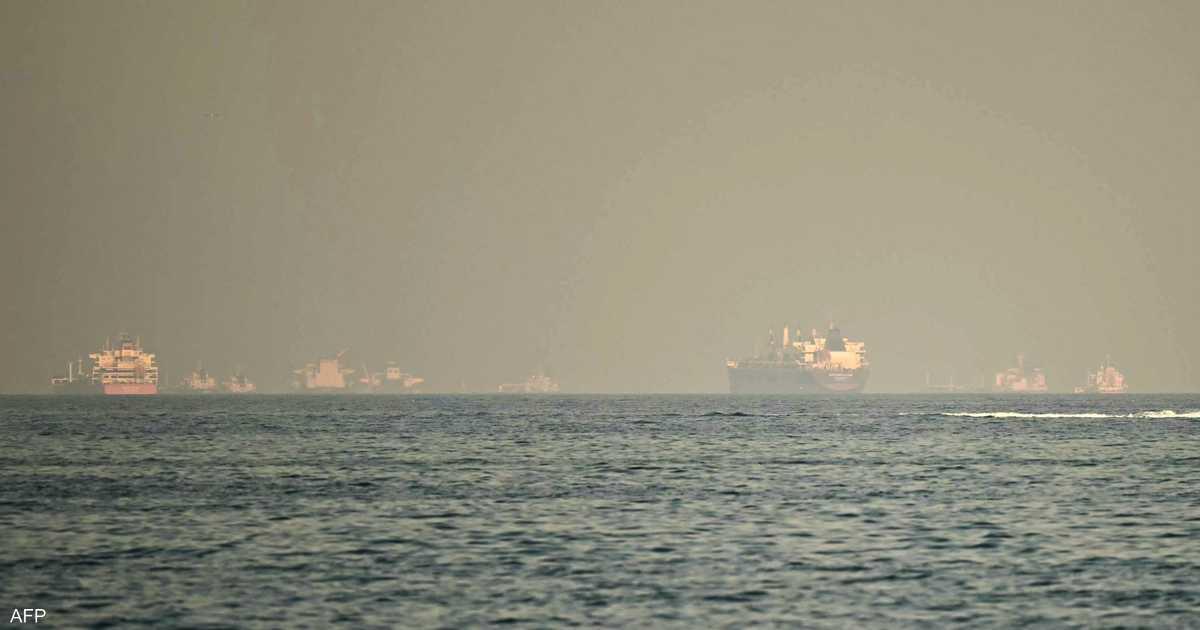
The political debate over declaring victory is intertwined with the war’s economic effects and the status of the Strait of Hormuz.
Reuters and other outlets describe the blockade of the Strait of Hormuz as driving energy prices sharply higher, and they quantify the global crude share as “about 20 percent of world crude oil” transported through the strait.
Reuters also states that even “20 days after the ceasefire proclaimed by Trump,” diplomatic efforts had not yet been able to reopen the strait completely.
CBC similarly says that “Twenty days after Trump declared a ceasefire, a flurry of diplomacy has failed to fully open the economically vital Strait of Hormuz,” and it adds that Tehran closed it by attacking ships and laying mines in the narrow waterway.
The outlets connect the disruption to gasoline prices, with Reuters noting that an end to the blockade and a reduction of U.S. troops could lower gasoline prices in the United States again.
Bloomingbit provides a specific figure for U.S. retail gasoline prices, stating that “Average US retail gasoline prices rose to $4.18 a gallon, the highest since August 2022.”
The reporting also notes that Iran has used the ceasefire to dig up buried weapons, drones, and rocket launchers, raising tactical hurdles to resuming the war, as Reuters describes.
Escalation options and future risks
Even as the administration weighs de-escalation and possible withdrawal, the reporting emphasizes that military options remain on the table, including renewed airstrikes against Iran’s military and political leaders.
“The Iran war is extremely unpopular among Americans”
Reuters says “Military options also remain on the table, according to Reuters, including renewed airstrikes against the Iranian leadership,” and it also describes that a ground offensive is considered less likely than a few weeks ago.

CBC similarly states that “Various military options remain formally on the table, with renewed airstrikes on Iran's military and political leaders among them,” while adding that “the most ambitious of those options — such as a ground invasion of the Iranian mainland — appear less likely than they did a few weeks ago.”
The reporting also highlights a risk that a rapid drawdown could allow Iran to rebuild its nuclear and missile capabilities, potentially increasing long-term risks to U.S. allies in the region, as Caliber.Az describes.
Caliber.Az says intelligence assessments warn that “a rapid drawdown could allow Iran to rebuild its nuclear and missile capabilities,” and it frames this as a long-term risk.
Reuters also adds that Iran has used the ceasefire that began on April 8 to dig up buried weapons, drones, and rocket launchers, making the tactical hurdles to resuming the war higher than at the start of the ceasefire.
In parallel, Reuters reports that Trump is preparing a longer blockade of Iran, with the Wall Street Journal reporting that Trump instructed advisers to pursue a long-term blockade by blocking shipping to and from Iran’s ports.
More on Iran
Oil Prices Climb as Iran Proposes Reopening Strait of Hormuz With U.S. Nuclear Talks Deferred
13 sources compared

Sir Christian Turner Says U.S. Only Special Relationship Is Probably Israel
14 sources compared
Trump Administration Rejects Iran Proposal To End War, Reopen Strait of Hormuz Without Nuclear Program
11 sources compared
Donald Trump Extends U.S. Blockade of Iranian Ports, Driving Brent and WTI Oil Prices Higher
32 sources compared