Other30 November, 20252 min read
Donald Trump Interferes in Honduran Election as His Backed Candidate Leads Poll
Donald Trump publicly endorsed conservative candidate Nasry Asfura Nasry Asfura holds a narrow lead in preliminary results and opinion polls
10 outlets told this the same way.
Honduras election early returns
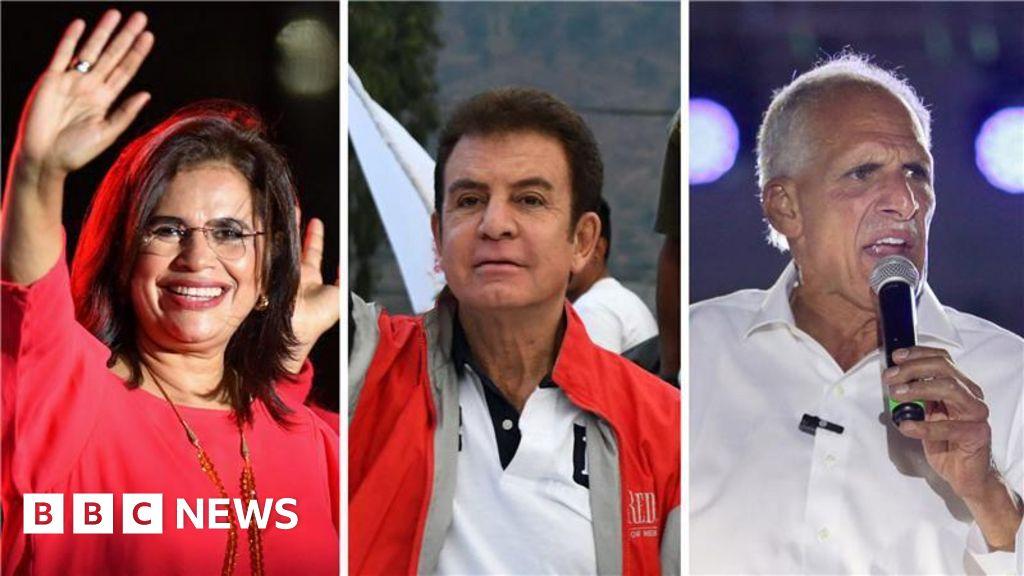
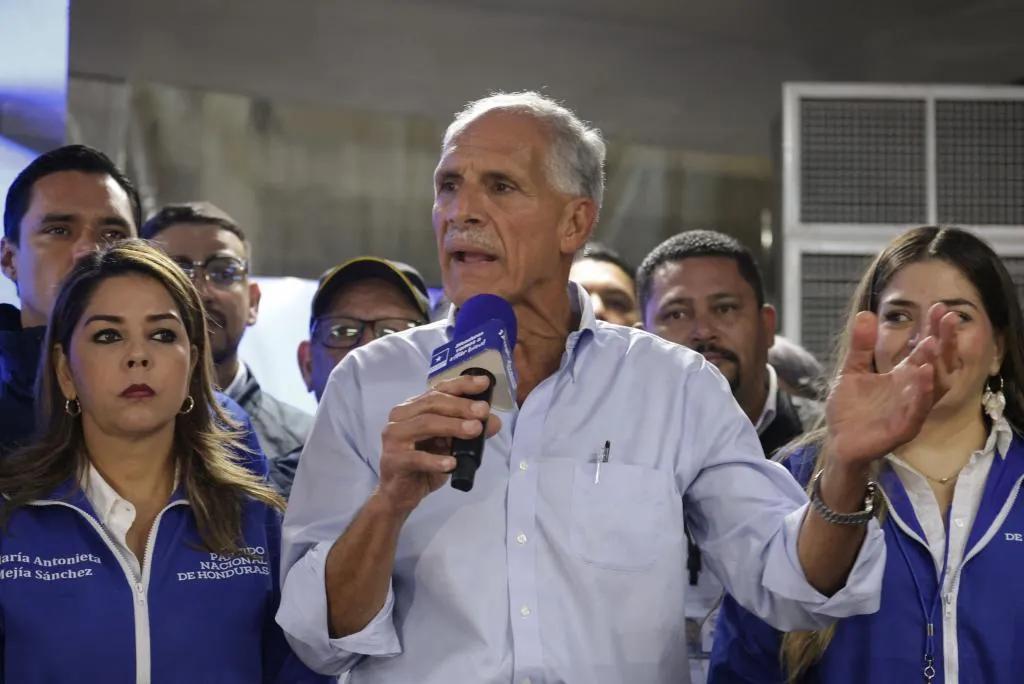
Honduras' presidential election opened with a narrow, tense margin. Early returns showed conservative National Party candidate Nasry 'Tito' Asfura leading with roughly 40-41% while Salvador Nasralla trailed at about 39%.
“Early counts in Honduras’ presidential vote show conservative National Party candidate Nasry ‘Tito’ Asfura with 40.54% of the vote, Salvador Nasralla (Liberal Party) with 38.99%, and Rixi Moncada (LIBRE, democratic socialist) with 19.49%.”
Leftist Libre candidate Rixi Moncada was near 19-20%, making the race tightly contested and still subject to change as ballots continued to be tallied. The close result left the final outcome uncertain and heightened scrutiny of the counting process across the country, with analysts noting a likely shift to the right if Asfura maintains his lead.

Trump's Honduran involvement
Donald Trump’s public involvement was a focal point of coverage: multiple outlets reported that Trump openly endorsed Asfura, threatened to cut U.S. aid if his preferred candidate lost, and even said he would pardon former president Juan Orlando Hernández, who is serving a sentence in the U.S. for drug trafficking.
Those actions intensified debates about foreign interference and the limits of presidential influence on another country’s democratic process.
Election integrity concerns
Coverage emphasized worries about electoral integrity and the risk of post-vote unrest. France 24 and DW reported pre-election fraud claims, delayed results and mutual accusations that raised fears of unrest.
“Moncada saying she may not accept official results.”
Libre’s Moncada warned she might not accept official results, while electoral authorities urged calm. The BBC and The Straits Times highlighted domestic concerns over politicized security forces and broader international attention to the process and its potential fallout.
Honduran reactions to endorsement
Reactions inside Honduras were split. France 24 said Trump's interventions split Hondurans between hopes for improved U.S. ties and resentment at foreign interference. The BBC quoted Xiomara Moncada (LIBRE) calling Trump's endorsement 'totally interventionist'.
Asfura publicly denied ties to Hernández. Coverage highlighted that Trump's promises of pardons and aid complicated domestic perceptions of legitimacy and justice.
U.S. influence on Honduras
Observers noted broader geopolitical implications, reporting that the U.S., as both a major aid donor and a political actor, could shape Honduras' future policy and governance. The BBC provided concrete figures on U.S. aid levels and the cuts under discussion.
“The article notes US aid to Honduras—more than $193m last fiscal year and over $102m so far this year—and reports $167m in cuts to economic and governance aid earmarked for 2024–25.”
Multiple sources framed former President Trump's threats to withhold funds as leverage that could influence outcomes and policy alignment. Critics argued that using such leverage risked undermining Honduran sovereignty and debates over justice.
&w=1920&q=75)