Donald Trump Keeps U.S. Naval Blockade On Iran Vessels In Strait Of Hormuz
Key Takeaways
- Blockade of Iranian vessels in the Strait of Hormuz remains in full force.
- Trump says negotiations are largely negotiated and not rushed toward reopening Hormuz.
- Strait of Hormuz would be reopened as part of a largely negotiated Iran deal.
Trump keeps blockade
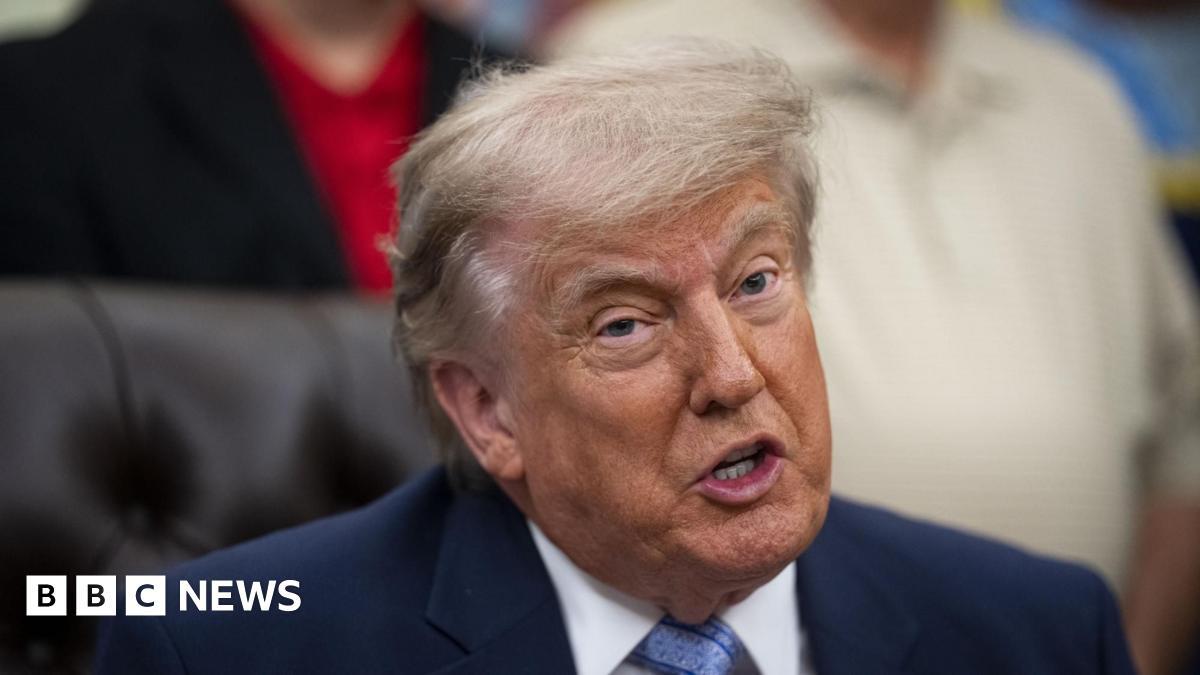
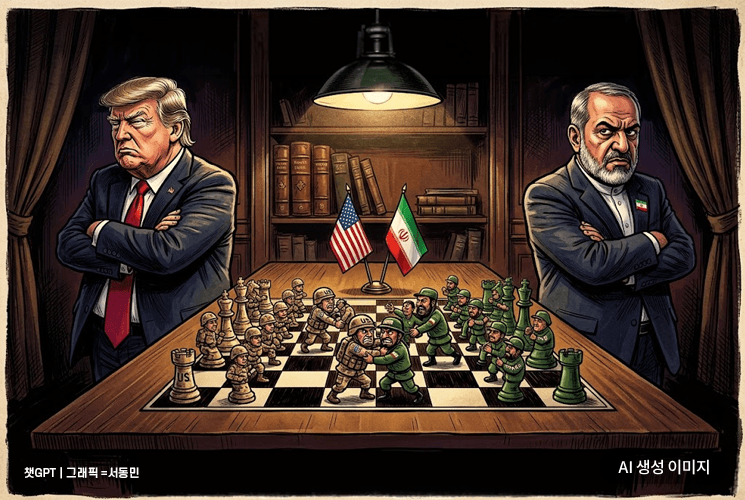
U.S. President Donald Trump said the United States will not rush into a nuclear agreement with Iran and that the strict U.S. naval blockade on Iranian vessels in the Strait of Hormuz will "remain in full force and effect until an agreement is reached, certified, and signed."
In a Truth Social post, Trump said he had instructed American negotiators "not to rush into a deal" and argued that "time is on our side," as Washington and Tehran discuss a possible framework to end tensions tied to Iran’s nuclear programme and maritime access routes.
Iranian officials confirmed talks are progressing toward a draft understanding, with Foreign Ministry spokesman Esmaeil Baqaei describing it as "a memorandum of understanding… a framework agreement composed of 14 clauses."
The emerging framework described by U.S. officials includes, in exchange for lifting the naval blockade, Iran’s agreement "in principle" to reopen the Strait of Hormuz and dispose of its highly enriched uranium stockpile, while deeper disputes are slated for later negotiations.
Allies, lawmakers, and Iran
As Trump cooled expectations of an immediate breakthrough, CBS News reported that a senior Trump administration official said the U.S. and Iran are working toward a finalized agreement and that the Iranians have in principle agreed to a deal that would include the disposal of highly enriched uranium.
Trump told CBS News that negotiations are ongoing and said he had told representatives "not to rush into a deal" and that "time is on our side," while the same CBS report said the latest proposal included reopening the Strait of Hormuz and unfreezing some Iranian assets held in foreign banks.
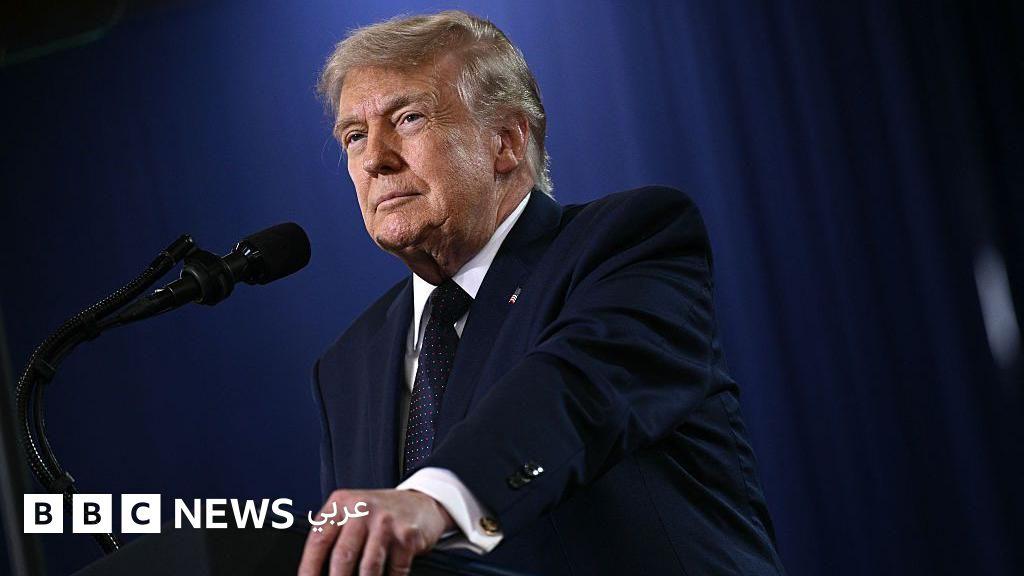
Israeli Prime Minister Benjamin Netanyahu said in a post on X that any final agreement "must eliminate the nuclear danger" posed by Tehran, adding that it means dismantling Iran’s nuclear enrichment sites and removing its enriched nuclear material from its territory.
Republican Sen. Lindsey Graham urged Trump to "Stick to your guns" in Iran negotiations and said the U.S. should press Middle East allies to join the Abraham Accords as part of the talks, while Democratic Sen. Chris Van Hollen criticized the emerging deal as sounding like "we will go back to opening the Strait of Hormuz" with Iran retaining more control over the straits.
What’s at stake next
The dispute over maritime access and sanctions relief remains central as the U.S. blockade continues, with The Hill reporting that Centcom said it redirected more than 100 commercial vessels as part of the naval blockade and called it a "milestone" as tensions persist in the region.
Centcom said the operation allowed "zero trade into and out of Iranian ports" and that it has squeezed Iran economically, while the same report said the Defense Department estimated the blockade has cost Iran about $4.8 billion in oil revenue.
The Hill also described how the Strait of Hormuz became the focal point after Iranian officials blocked the waterway and threatened to charge tolls, and it said the back-and-forth over opening and closing the strait has caused energy and gas prices to soar.
Even if an agreement is reached, the sources warned that it would not immediately end the broader energy crisis, with the Strait of Hormuz normally channeling one-fifth of global oil and liquefied natural gas shipments and Abu Dhabi National Oil Company warning last week that full shipping volumes will not return until early 2027 due to disruptions caused by the conflict.
More on Iran
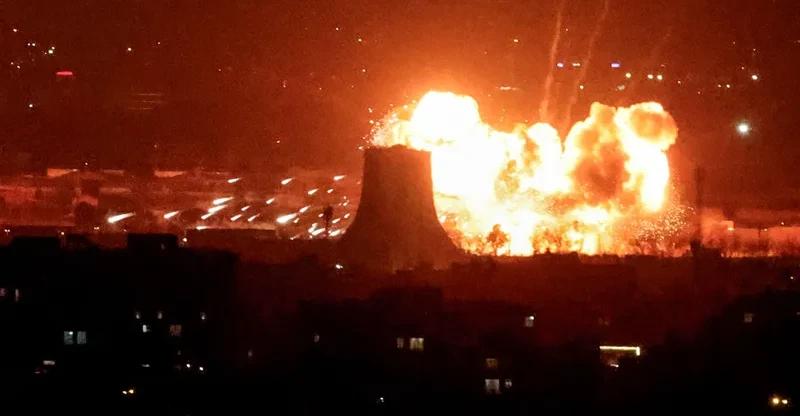
United States Launches New Airstrikes on Iran as Iranian Fire Targets Bahrain, Kuwait, Qatar
12 sources compared

US Central Command Strikes Iran, Explosions Reported in Bandar Abbas, Sirik, Konarak, and Chabahar
19 sources compared
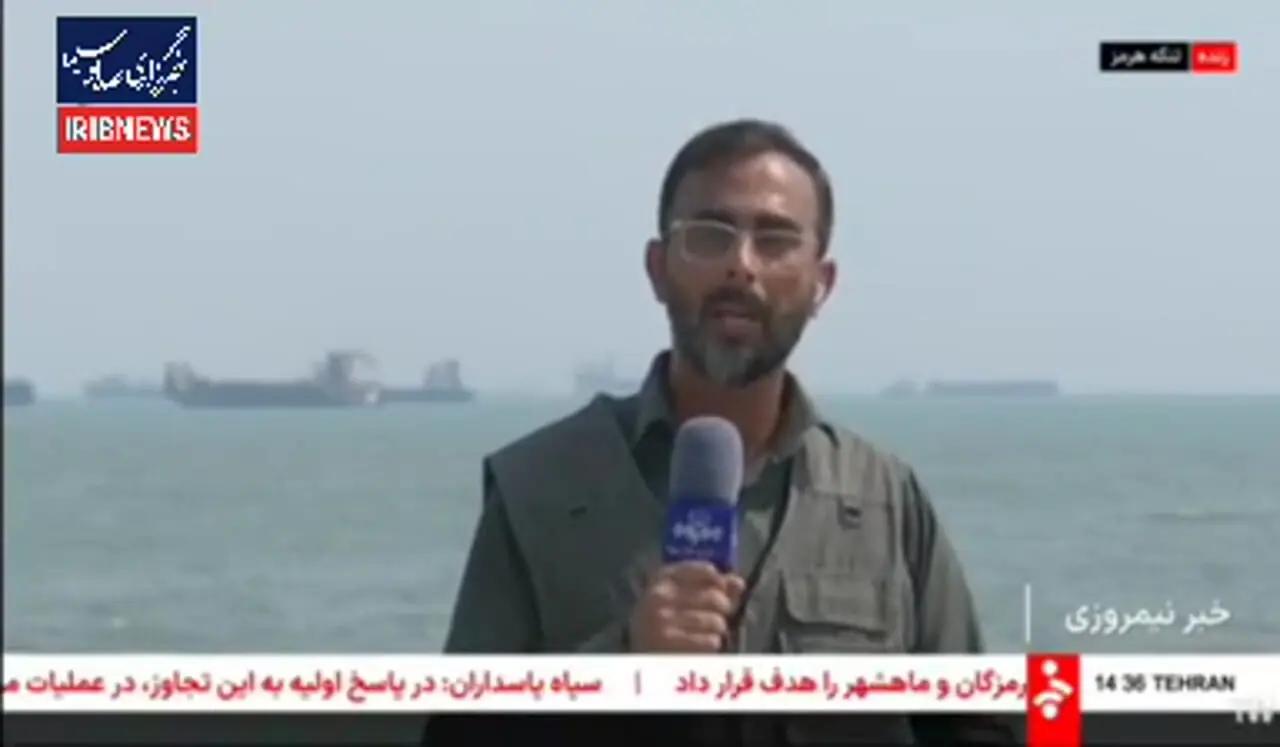
U.S. Launches New Strikes On Iran After Trump Says Ceasefire Is Over
66 sources compared
U.S. Carries Out Second Consecutive Airstrikes on Iran After Trump Ends Ceasefire
12 sources compared