USA15 July, 20262 min read
Donald Trump Meets Iraqi Prime Minister Ali al-Zaidi to Expand Oil Partnership and Confine Weapons
This article is an automated aggregation of coverage from news outlets. Our editorials offer in-depth analysis curated by the NewsCord team.
Weapons confined to the Iraqi state and an oil and economic partnership with the US. Discussed expanding economic cooperation and American companies' involvement in Iraq's energy and oil sectors.
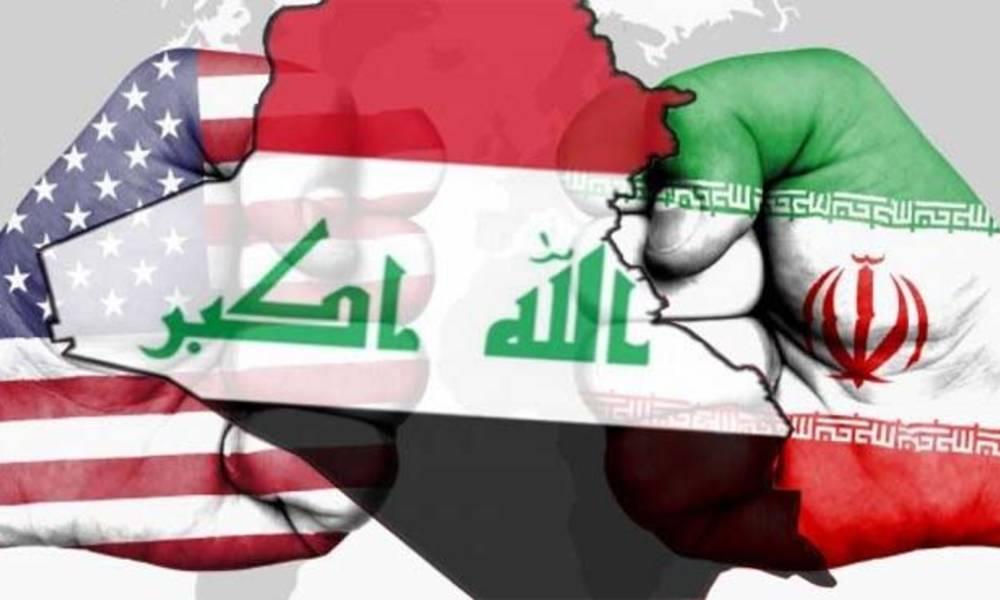
Trump, al-Zaydi meet
U.S. President Donald Trump met Iraqi Prime Minister Ali al-Zaidi at the White House on Tuesday to announce a move toward a new phase in U.S.–Iraq relations built on an economic and investment partnership rather than a military presence, alongside the Iraqi government’s commitment to confine weapons to the state after September 30.
Al-Zaydi said, "after September 30 no entity will be allowed to carry weapons outside the state's framework," and he added that Iraqi security forces will be able to protect the country after the end of the international coalition's mission.

Trump praised al-Zaydi as a "great warrior" and a "great friend of the United States," and he said the United States will announce next week a major oil partnership with Iraq.
The meeting also centered on energy, investment, and the future of bilateral relations, with Trump saying US oil companies will expand their presence in Iraq 'to unprecedented levels.'
From security to investment
PUKmedia reported that the U.S. President's Special Envoy to Iraq, Tom Barrack, said the meeting between Trump and al-Zaidi represents a turning point, and he argued that "the future of the American-Iraqi relationship lies in investment, trade, and economic opportunities, not security alone."
In a separate account, SANA said al-Zaydi told reporters that his visit is to announce a strategic partnership and build strong economic relations, adding that with the end of the American military presence in Iraq within the international coalition, Iraq looks to activate the economic partnership through investments and companies.

SANA also quoted al-Zaydi saying that American companies will enter the Iraqi market, while the Iraqi Prime Minister's Office said the talks reviewed viewpoints and approaches related to security and intelligence cooperation.
The same SANA report said al-Zaydi affirmed that security forces are capable of protecting Iraqi territory and that there is no need for any armed factions after September 30 of the coming year.
Iran blamed, ties entangled
In the background to the Trump–al-Zaidi push for a new phase, the Council on Foreign Relations described how the United States and Iran reached a memorandum of understanding to end the war in the Middle East, while saying the ceasefire appears on the verge of collapse as both sides trade strikes over alleged violations.
The Council on Foreign Relations also said that while attending the NATO summit on July 8, President Trump believed the interim truce had ended, threatened further attacks, and suggested the U.S. Navy could reinstate its blockade of Iranian ports.
A West Asian analysis from وكالـة الصحافة المستقلة argued that Iraq’s situation has lost the ability to disentangle the knot between the United States and Iran after Iran intervened in every part and place of Iraqi soil, in every ministry.
That same analysis said, "The Americans left Iraq to Iran to intervene as they pleased," and it described the war that Trump declared on Iran as an attempt to push Iran out of Iraq that met Iran with obstacles, missiles, drones and military threats.