
Donald Trump Raises EU Car And Truck Tariffs To 25% Next Week
Key Takeaways
- Trump announces 25% tariffs on EU cars and trucks to take effect next week.
- Justification: EU not complying with the fully agreed trade deal.
- EU responds with pushback and keeps options open for measures.
Trump escalates EU auto tariffs
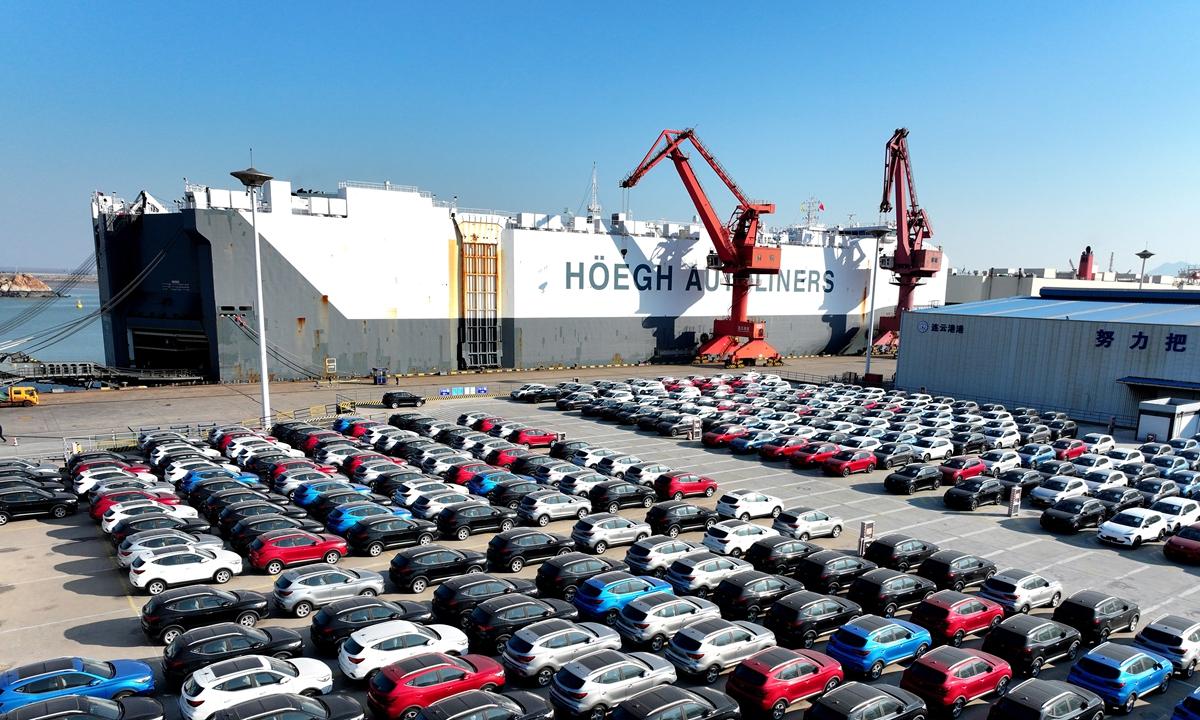
President Donald Trump said he will increase tariffs charged to the European Union for cars and trucks to 25% next week, escalating trade tensions with Brussels.
In a Truth Social post on Friday, Trump wrote: "Based on the fact the European Union is not complying with our fully agreed to Trade Deal, next week I will be increasing Tariffs charged to the European Union for Cars and Trucks coming into the United States" and added: "The Tariff will be increased to 25%."

Trump also said in the same post that it is "fully understood and agreed that, if they produce Cars and Trucks in U.S.A. Plants, there will be NO TARIFF."
The BBC reported that Trump accused the EU of "not complying with our fully agreed to trade deal" but did not explain how, while the European Commission responded: "We will keep our options open to protect EU interests".
CNBC similarly reported that Trump did not say what authority he would use to raise the levies, even as it quoted his Truth Social language about the EU not complying.
The Guardian described the move as Trump "tearing up part of the tariff deal" struck with EU leaders at his golf course in Scotland last summer, and said he announced the increase from 15% to 25% from next week.
Multiple outlets tied the escalation to the same core claim—EU noncompliance with the agreed trade deal—while also noting that the tariff increase would apply to vehicles imported into the United States from the EU and would exempt vehicles made in the US by EU companies.
Legal fights and stalled talks
The tariff escalation landed in a context of legal and procedural disputes over earlier parts of Trump’s tariff agenda and the EU-US framework deal.
The BBC said Trump’s "Liberation Day" tariffs had been ruled illegal by the Supreme Court, with firms that paid up now seeking refunds after a Supreme Court decision, while also noting that the tariffs affecting cars fall under a different legal process and are not impacted by that ruling.
CNBC reported that the Supreme Court ruled in February that a large part of Trump’s tariff agenda was illegal, describing a 6-3 majority that said the law underpinning those import duties "does not authorize the President to impose tariffs."
CNBC also said Trump responded after the Supreme Court ruling by signing an executive order imposing a new 10% "global tariff" rate with a 150-day time limit under Section 122 of the Trade Act of 1974, and then said he would increase the global rate to 15%.
The Guardian said the Turnberry deal agreed a 15% tariff on imports from the EU on most goods, including cars, and described how the EU and German car manufacturers influenced the outcome so that cars were included in the 15% baseline all-inclusive tariff rate.
The Guardian also said 50% tariffs on steel continued and that, as a quid pro quo, the EU agreed to buy $750bn of energy from the US and make $600bn investment in the US.
Supply Chain Dive described that last summer the US and the bloc came to terms on a framework agreement that capped duties on most EU imports, including cars, at 15%, and said Trump did not indicate how the new tariff would interact with other provisions of the pact.
EU and US trade officials respond
European officials and lawmakers responded sharply to Trump’s tariff move, framing it as unreliable and unacceptable while insisting the EU is following the deal.
“Trump announces 25% tariff on cars, trucks from EU The president said the European Union was "not complying" with trade deal”
The BBC quoted the European Commission’s response that it would "keep our options open to protect EU interests" and said the Commission was seeking "clarity" from the US around its commitments, while also stating the EU was adhering to its commitments.
CNBC reported that a European Commission spokesperson said the bloc was keeping the U.S. administration up to date and quoted: "We maintain close contact with our counterparts, including as we also seek clarity on US commitments" and "We remain fully committed to a predictable, mutually beneficial transatlantic relationship."
CNBC also included a White House official statement that the EU has "failed to make substantial progress on their agreed-upon commitments" and said the President reserves the right to adjust tariff rates if partners fail to abide by commitments.
Bernd Lange, chair of the European Parliament’s international trade committee, told the BBC that Trump’s statement demonstrated "just how unreliable the US" is as a trading partner and said: "President Trump's behaviour is unacceptable."
The Guardian and Sky News both carried Lange’s warning that the move showed the US was "unreliable" and that "This latest move demonstrates just how unreliable the US side is," with Sky News adding Lange’s line that "This latest move demonstrates just how unreliable the US side is."
POLITICO.eu added that Lange accused the U.S. of "breaking its commitments" and said the EU parliament was drafting legislation with a goal to finalize in June.
How outlets frame the same escalation
Across outlets, the same tariff announcement is framed through different emphases: legal authority, deal compliance, and the EU’s response strategy.
The BBC focused on Trump’s claim that the EU was not complying and on the Commission’s insistence on commitments, while also placing the move in the broader arc of Supreme Court rulings and the earlier “Liberation Day” tariffs.

CNBC foregrounded the question of authority, stating Trump did not say what authority he would use, and it detailed the Supreme Court’s 6-3 ruling that the IEEPA-based approach did not authorize the President to impose tariffs.
The Guardian emphasized Trump’s decision to "tear up part of the tariff deal" and described the diplomatic fallout, saying the EU is likely to launch an intense diplomatic campaign to bring the deal back from the brink.
Sky News similarly highlighted EU condemnation, quoting Lange’s characterization of the move as showing the US was "unreliable" and calling Trump’s behavior "unacceptable," while also reporting that Trump told reporters the higher tariff would force European car makers to move production to the US more swiftly.
ABC News added a different angle by discussing tariff authority, saying it appears the administration will use Section 232, which authorizes the secretary of commerce to find goods imported in a manner that threatens U.S. national security, and it quoted Trump’s social media claim that plants "will be opening soon" and that "over 100 Billion dollars" is being invested.
Supply Chain Dive framed the move as a 25% tariff starting next week and described the framework agreement that capped duties at 15%, while also noting that Trump did not indicate how the new tariff would be implemented or interact with other provisions.
What happens next for trade and industry
The sources describe immediate next steps and potential consequences for the transatlantic trade relationship and for companies tied to the auto supply chain.
The European Commission said it would keep options open to protect EU interests, and the BBC reported the Commission was seeking "clarity" from the US around its commitments while stating the EU was adhering to its commitments.
POLITICO.eu said EU governments were divided over whether to pursue additional safeguards, as demanded by the European Parliament, and it reported that a majority of countries resisted a French-led push to revisit the deal, delaying an agreement on a way forward.
Supply Chain Dive said the European Parliament approved key provisions of the agreement in March while attaching safeguards, including a strengthened suspension clause that would allow the bloc to suspend the agreement if the U.S. levies tariffs above the 15% cap set for EU goods.
The Guardian said the EU is likely to launch an intense diplomatic campaign to bring the deal back from the brink, and it described that the EU parliament’s international trade committee chair Bernd Lange said the move was unacceptable and that the EU would respond with clarity and firmness.
In the US, ABC News reported that Trump’s announcement was tied to Section 232 and to a claim that American automobile production capabilities would expand, including Trump’s assertion that "over 100 Billion dollars" is being invested and that plants "will be opening soon."
Sky News reported market reactions, saying shares of Ford Motor fell 2% after Trump’s announcement, with Stellantis down 1.7% and General Motors down 1.5%.
More on USA
Trump Pulls Casey Means Nomination, Names Nicole Saphier Surgeon General Replacement
19 sources compared
Trump Says Iran Hostilities Have Terminated as Germany Anticipates 5,000 Troop Withdrawal
21 sources compared

Spirit Airlines Begins Orderly Wind-Down After White House Rescue Deal Fails
32 sources compared

U.S. Rebuilds Logistics Supply Chain After Ceasefire, Boosts CENTCOM Airlift From Ramstein
12 sources compared