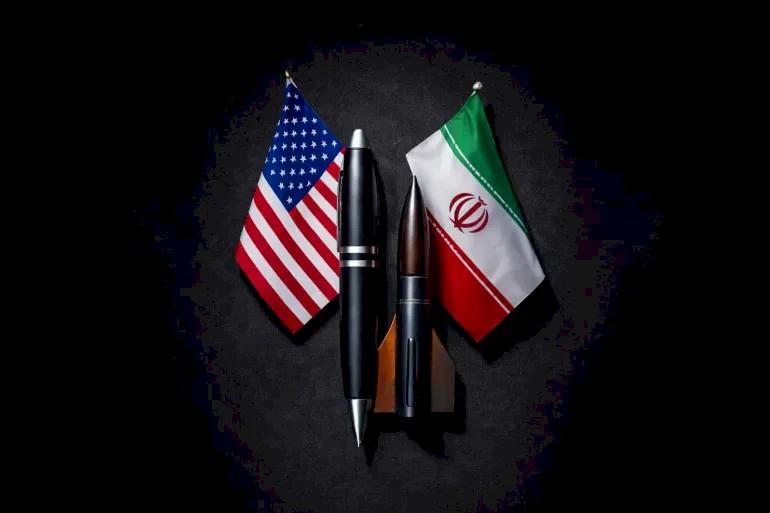
Donald Trump Says US-Iran Deal Largely Negotiated, Reopening Strait of Hormuz
Key Takeaways
- Trump says the US-Iran deal is largely negotiated, including reopening the Strait of Hormuz.
- Tehran agrees to dispose of highly enriched uranium as part of the deal.
- Deal has not been signed yet; final terms await further negotiations.
Hormuz and nuclear terms
US President Donald Trump said an agreement with Iran has been "largely negotiated" and that details will be announced soon, with the deal including reopening the Strait of Hormuz.
“United States President Donald Trump says a possible agreement between Washington and Tehran to end months of war is now “largely negotiated”, raising hopes that tensions in the region could ease after a flurry of diplomatic overtures involving multiple countries”
Trump also said the agreement would be "subject to finalisation" between the United States of America, the Islamic Republic of Iran, and the various other Countries, as listed, while insisting any agreement would "absolutely" prevent Iran from obtaining a nuclear weapon.

An Iranian foreign ministry spokesman, Esmail Baghaei, told state television that US and Iranian positions had been converging in the last week but warned that did not mean agreements would be reached on key issues and accused the Americans of "contradictory statements".
Baghaei described Iran’s intention as reaching an agreement "in the form of a framework, consisting of 14 points" and said further talks could be held within 30 to 60 days before a final agreement can be reached.
The BBC also reported that the US has blockaded Iranian ports since 13 April in response to Tehran’s policing of traffic in the Strait of Hormuz, and that Centcom said it had redirected 100 vessels, disabled four and allowed 26 humanitarian aid ships to pass since the blockade began.
Two narratives over the deal
Al Jazeera described two competing media narratives, with American media presenting a phased framework that opens the Strait of Hormuz, eases the energy crisis, and puts Iran on a path to nuclear negotiations within a defined deadline.
In the American narrative, Axios cited a US official saying Washington and Tehran are nearing a temporary understanding of 60 days, including an extension of the ceasefire, reopening the Strait of Hormuz, resuming Iran's oil exports, and beginning negotiations on the nuclear program later.

Al Jazeera said Iranian media presents the understanding as an initial agreement to end the war and lift the maritime blockade, denying any inclusion of an executive nuclear pledge or Iranian acceptance of surrendering uranium stockpiles or disabling facilities.
The same Al Jazeera report said Fars News Agency published that what some American media and officials are promoting about Iran accepting nuclear pledges has no basis, and that the draft potential agreement does not include any clause on Iranian nuclear pledges.
In the BBC account of the broader context, the ceasefire was struck after Iran leveraged its control over the Strait of Hormuz to effectively close the vital waterway, through which around 20% of the world's oil and natural gas flows.
Frozen funds and blockade
i24NEWS said Tehran links negotiations with Washington to the release of its funds, estimating that between 100 and 120 billion dollars are held abroad amid disputes hindering a final agreement.
“US official says Washington, Tehran reach preliminary deal to reopen Strait of Hormuz: Reports Deal would see Iran dispose of highly enriched uranium in exchange for easing maritime restrictions, with nuclear, sanctions issues subject to further negotiations, US media reports say Fatma Zehra Solmaz 24 May 2026•Update: 24 May 2026 ISTANBU The US and Iran have agreed in principle to a deal that would reopen the Strait of Hormuz, in exchange for Tehran's commitment to dispose of its highly enriched uranium, a US official said, according to a report by The New York Times on Sunday”
i24NEWS reported that an Iranian condition in the first phase of the understanding is that Tehran will not agree to any understanding with the United States unless it includes the release of a specific portion of its frozen funds during the first phase.
The BBC reported that the US has blockaded Iranian ports since 13 April, and Centcom said it had been "highly effective" in "allowing zero trade into and out of Iranian ports, which has squeezed Iran economically".
In a separate BBC account of Iranian messaging, Baghaei told state television that further talks could be held within 30 to 60 days and ultimately a final agreement can be reached, while warning that convergence does not guarantee agreement on key issues.
Al Jazeera added that major disagreements remain, especially over the status of the Strait of Hormuz, Iran’s nuclear programme and conflicts involving Tehran-backed groups in Lebanon, even as Trump said the agreement was "largely negotiated".
More on Iran
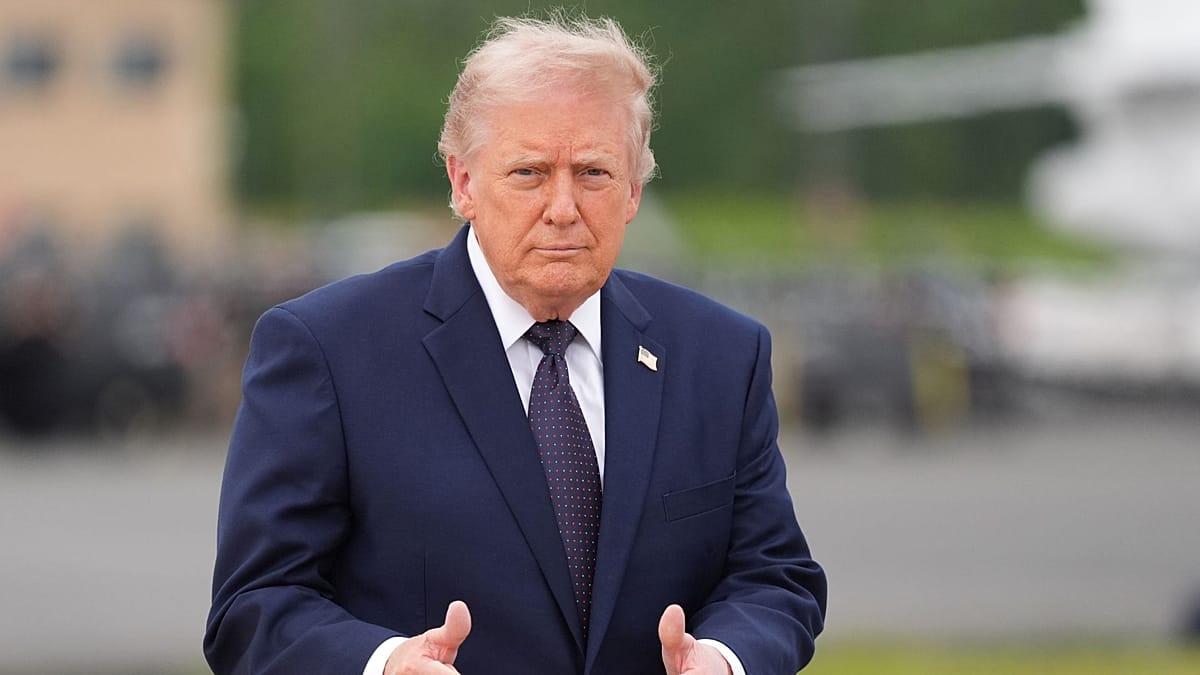
Donald Trump Says U.S. Iran Framework Extends Ceasefire 60 Days, Reopens Strait of Hormuz
21 sources compared

Donald Trump Tells U.S. Negotiators Not To Rush Iran Deal On 60-Day Ceasefire
38 sources compared
Trump Says US-Iran Deal Is Largely Negotiated, Framework Gives 60 Days
21 sources compared
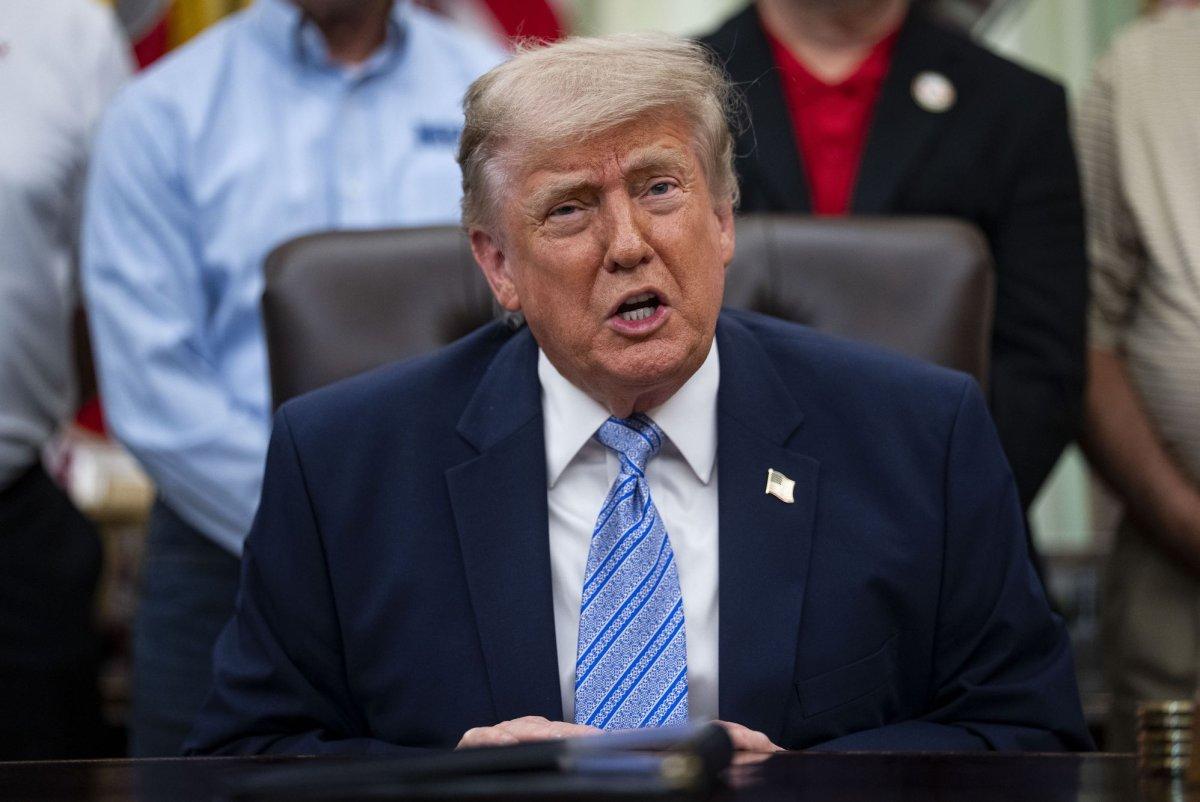
Donald Trump Says U.S. and Iran Have Largely Negotiated Deal to Reopen Strait of Hormuz
24 sources compared