
Israel-Lebanon Ceasefire Begins as Trump Says Israel Is Prohibited From Bombing Lebanon
Key Takeaways
- A 10-day Israel-Lebanon ceasefire takes effect.
- Thousands of Lebanese civilians return home as the truce holds.
- Iran says Strait of Hormuz open to shipping during the ceasefire.
Ceasefire takes hold
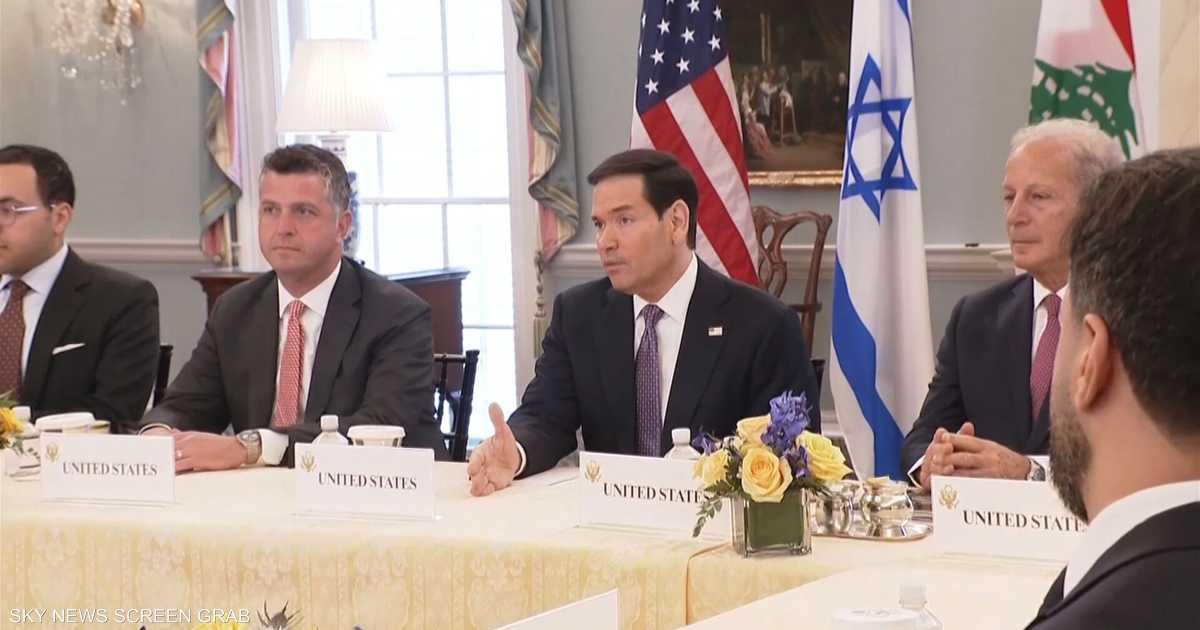
A 10-day ceasefire between Israel and Lebanon took effect as fighting between Israeli forces and Hezbollah went into a pause, with President Donald Trump announcing that the leaders of Israel and Lebanon had agreed to the truce.
NBC News reported that the ceasefire began as fighting raged between Israel and Tehran-backed militant group Hezbollah, and it framed the agreement as a U.S.-brokered step in a wider conflict.
The New York Times described thousands of Lebanese displaced by weeks of fighting filling the main highway to southern Lebanon on Friday in hopes of returning to their homes as the 10-day cease-fire in Israel’s military campaign against Hezbollah went into effect.
The New York Times also said the truce could remove an obstacle in U.S.-Iran peace talks, linking the Lebanon ceasefire to negotiations involving Iran.
Trump issued a stern warning to Israel on social media, saying, “Israel will not be bombing Lebanon any longer. They are PROHIBITED from doing so by the U.S.A. Enough is enough!!!”.
The New York Times reported that Israeli forces continued to occupy southern Lebanon and had warned residents not to return there, even as the ceasefire began.
In parallel, Reuters and France 24 reported that an Israeli drone strike killed one person in south Lebanon on Friday, the first full day of truce, with Lebanon’s state-run National News Agency saying a motorcyclist was killed in the town of Kunin in the Bint Jbeil district after being targeted by an enemy drone.
Hormuz opens, blockade stays
As the Lebanon ceasefire began, Iran declared the Strait of Hormuz “completely open” for the remainder of the ceasefire, and multiple outlets tied the maritime shift to the same diplomatic moment.
France 24 reported that Iranian Foreign Minister Abbas Araghchi said on social media Friday that the Strait of Hormuz will be “completely open” to commercial vessels for the remainder of the ceasefire, and it said U.S. President Donald Trump welcomed the move.

CNBC likewise quoted Araghchi saying, “In line with the ceasefire in Lebanon, the passage for all commercial vessels through Strait of Hormuz is declared completely open for the remaining period of ceasefire,” while adding that vessels must transit through a “coordinated route” announced by Iran’s maritime authorities.
Yet the blockade question remained unresolved in the reporting: France 24 said Trump claimed Iran had agreed to never close Hormuz again, while also saying a U.S. naval advisory warned that the mine threat in parts of the strait was not fully understood.
The Guardian reported that Trump posted that “Israel will not be bombing Lebanon any longer” while also saying the U.S. naval blockade of Iran would remain in place, and it quoted Trump reminding followers that “This deal is not tied, in any way, to Lebanon.”
CNN described the same tension by saying Iran announced the vital trade chokepoint open to all commercial vessels for the remainder of the ceasefire, while Trump said a U.S. naval blockade will continue until a deal with Iran is “100% complete.”
Reuters and France 24 also included a U.S. navy advisory, quoting it as saying, “Status of TSS mine threat is not fully understood. Consider avoidance of that area,” and it explained that the TSS refers to the Traffic Separation Scheme adopted in 1968.
Voices on the truce
The ceasefire’s political and military meaning was contested in the reporting, with Israeli and Hezbollah-linked voices emphasizing different conditions.
NBC News said Prime Minister Benjamin Netanyahu told reporters that Israel had not agreed to withdraw from southern Lebanon, a key demand of Hezbollah, and it said Netanyahu insisted that Hezbollah, the Iran-backed militant group, must be dismantled.
France 24 reported that Hezbollah lawmakers expressed “cautious commitment” to a ceasefire with Israel but said it must ensure that all Israeli hostilities stop and must limit the Israeli military’s “freedom of movement” in Lebanon, while also criticizing the Lebanese government for taking the country into an “extremely dangerous phase” by accepting direct negotiations with Israel.
The New York Times reported that Hezbollah avoided mention of the 10-day cease-fire while appearing to be adhering to it, and it said Hezbollah’s statement sidestepped any direct reference to the cease-fire while offering little indication that they would violate it.
The New York Times also reported that the State Department’s memo said Israel would retain its right “to take all necessary measures in self-defense” but would not carry out “offensive operations” against Lebanese targets.
Reuters and France 24 described how Israel reserves the right to continue targeting Hezbollah to prevent “planned, imminent or ongoing attacks,” and it said Israeli troops will continue to occupy a 10-kilometre “security zone” in southern Lebanon.
On the international side, NBC News said U.N. Secretary-General António Guterres welcomed the announcement of a ceasefire between Israel and Lebanon, praising the U.S. for helping secure the agreement and urging full respect for the ceasefire and compliance with international law at all times.
Competing frames and claims
The reporting also diverged in how it framed Trump’s role and the linkage between Hormuz and Lebanon, especially through the lens of his social media posts.
France 24 described Trump welcoming Iran’s reopening of Hormuz Strait for the rest of the ceasefire, while also reporting that Trump claimed Iran had agreed to “never” close Hormuz Strait again and that the U.S. would recover enriched uranium from Iran.

The Guardian, by contrast, emphasized Trump’s claim that the U.S. had “prohibited” Israel from bombing Lebanon, quoting his post that “Israel will not be bombing Lebanon any longer” and that “They are PROHIBITED from doing so by the U.S.A.”
The Guardian also highlighted the maritime verification angle by quoting the International Chamber of Shipping’s Thomas Kazakos saying the announcements about reopening offered “a cautious measure of reassurance to the global maritime community,” while also stressing uncertainty about what it means in practice.
CNN’s framing focused on negotiations and the mechanics of the ceasefire, saying officials were hoping a broader deal could be finalized as early as this weekend and that the Trump administration was considering unfreezing $20 billion in Iranian assets, while also describing the Lebanon ceasefire as “holding.”
CNN also reported that Iran’s ambassador to Islamabad, Reza Amiri Moghadam, praised efforts from all sides towards “giving diplomacy a chance,” and it quoted him on X.
Meanwhile, DW and France 24 both described the immediate continuation of violence despite the ceasefire, with DW saying an Israeli strike killed one person in southern Lebanon on Friday after the ceasefire came into effect and quoting Lebanon’s National News Agency about the motorcyclist in Kunin.
What happens next
The sources portray the ceasefire and Hormuz reopening as steps that could shape the next phase of U.S.-Iran talks, while also leaving multiple enforcement and compliance questions unresolved.
NBC News said U.N. Secretary-General António Guterres welcomed the ceasefire and hoped it would “pave the way for negotiations towards a long-term solution to the conflict,” while urging everyone to fully respect the ceasefire and comply with international law at all times.

The New York Times reported that the State Department’s memo said Israel would not carry out “offensive operations” against Lebanese targets, and it said the Lebanese government, with international support, is expected to take “meaningful steps” to prevent Hezbollah from attacking Israeli targets, even as it noted that the Lebanese government does not control Hezbollah.
France 24 reported that Hezbollah lawmakers said the ceasefire must ensure that all Israeli hostilities stop and must limit the Israeli military’s “freedom of movement” in Lebanon, while also criticizing the Lebanese government for accepting direct negotiations with Israel.
On the maritime side, CNN said officials were hoping a broader deal to end the war could be finalized as early as this weekend, and it described the Trump administration considering unfreezing $20 billion in Iranian assets as part of ongoing talks.
CNBC reported that negotiations between Vice President JD Vance and Ghalibaf last weekend in Pakistan failed to produce an agreement to permanently end the U.S. war with Iran, and it said Trump said U.S. and Iranian negotiators could meet again this weekend in Pakistan for a second round of talks.
Xinhua’s Malaysia Sun report added that Pakistani Prime Minister Shehbaz Sharif welcomed the ceasefire announcement and said it would pave the way for sustainable peace, while also quoting that Iranian parliamentary leader Mohammad Bagher Ghalibaf said a Lebanon truce matters to Iran as much as its own ceasefire.
More on Lebanon
Israel-Lebanon 10-Day Ceasefire Takes Effect as Hezbollah Fighting Pauses
19 sources compared

Trump Announces 10-Day Israel-Lebanon Ceasefire Starting Thursday at 5 P.M. ET
30 sources compared
Hezbollah Rockets And Drones Strike Metula, Nahariya, Haifa Naval Base, And Ma'alot Tarshiha
10 sources compared

Israel And Lebanon Begin 10-Day Ceasefire As Trump Announces U.S.-Brokered Deal
16 sources compared