Donald Trump Seeks Stricter Iran Nuclear Deal While Retaining Military Options, Morgan Ortagus Says
Key Takeaways
- IRGC Javani says Trump faces two paths: bad or worse on Iran.
- US misjudged Iran’s strength; Iran stronger, and US faces decline.
- Ortagus: Trump seeks diplomatic Iran deal but retains military options if talks fail.
Trump seeks stricter Iran deal
Morgan Ortagus, former deputy special envoy to the US president for Middle East affairs, said on Saturday that US President Donald Trump is still seeking a diplomatic agreement with Iran while retaining military options if negotiations fail.
“A high-ranking commander of the Islamic Revolution Guards Corps (IRGC) says US President Donald Trump has no good option with regard to Iran and has to choose between a “bad” or “worse” path”
Ortagus told Fox News Live that Trump is entering talks from a position of strength following the recent U.S. military operation targeting Iran’s nuclear program, and she said, "President Trump always has the option to return to the military option if he cannot reach the agreement he needs with the regime."
The article says Axios reported Trump called for stricter terms for a potential framework agreement with Iran and sent a revised version to Tehran for review, including a 60-day period for negotiations on Iran’s nuclear commitments and the lifting of US sanctions.
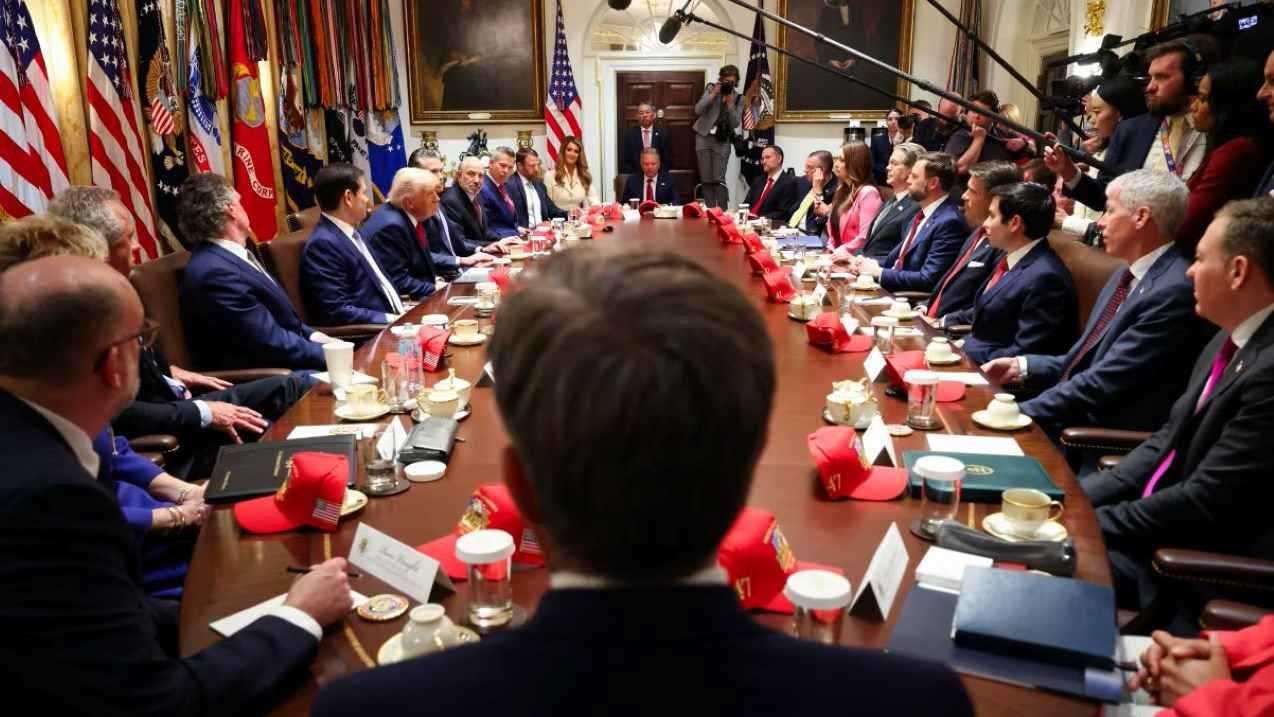
Axios also reported that during a White House Situation Room meeting on Friday, Trump asked his team to review sections relating to Iran’s nuclear program and nuclear materials, and the current text includes Tehran’s commitment not to pursue nuclear weapons.
The same source says Trump’s request included "more details on how the US would obtain these materials and when," and it also says the White House denied Iranian state media claims of receiving billions of dollars in frozen assets.
IRGC frames choices as defeat
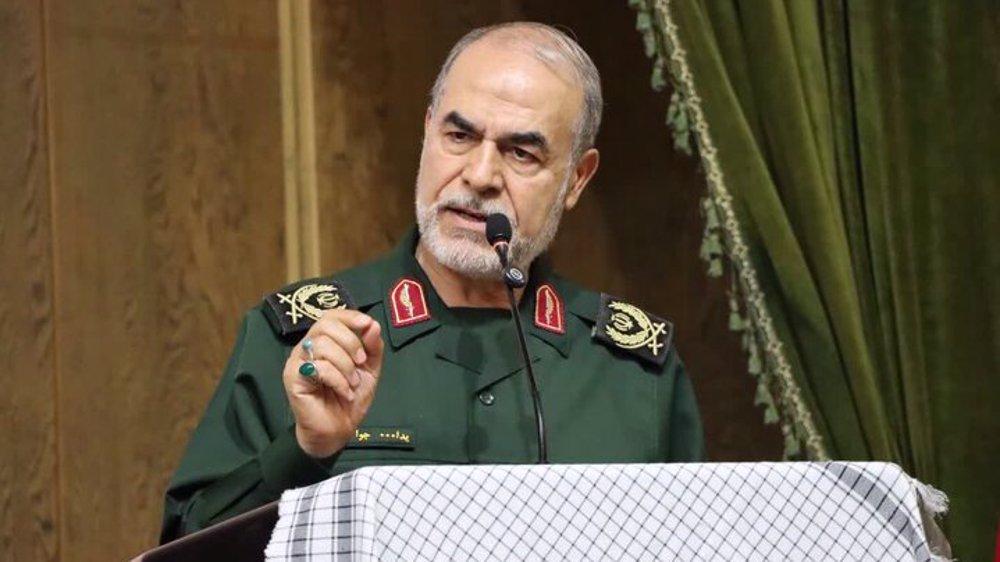
In a separate account, IRGC Deputy for Political Affairs Yadollah Javani told IRNA on Saturday night that Iran’s enemies made a strategic miscalculation in assessing Iran’s capabilities and resolve, arguing that Tehran has emerged in a stronger position while the United States faces decline and failure.
Javani said the United States must choose between accepting the conditions and rights of the Iranian people or continuing the war, adding, "the bad way" and "the worse way."

PressTV similarly quotes Javani saying, "Trump, whose defeat in the war has become evident to anyone, now faces two paths forward: the bad path or the worse path," and it says he argued Washington and the Tel Aviv regime launched a large-scale and unprovoked onslaught against Iran.
The PressTV account says that on February 28, following the assassination of Iran’s late Leader of the Islamic Revolution Ayatollah Seyyed Ali Khamenei and several high-ranking military commanders, the United States and Israel initiated a large-scale and unprovoked war of aggression against Iran.
It also states that Iranian Armed Forces executed 100 waves of counterattacks over 40 days, and it says a Pakistani-mediated two-week ceasefire was brokered on April 8.
Ceasefire talks hinge on blockade
PressTV says that after 21 hours of intense talks on April 11 and 12 in Islamabad, the Iranian delegation returned to Tehran without an agreement, citing deep mistrust regarding Washington’s willingness to honor its commitments.
“A top Islamic Revolution Guards Corps (IRGC) commander says Iran’s enemies made a strategic miscalculation in assessing Iran’s capabilities and resolve, arguing that Tehran has emerged in a stronger position while the United States faces decline and failure”
The same account says Iran proposed a ten-point plan seeking US troop withdrawal and the lifting of sanctions, and it adds that any return to ceasefire negotiations depends on the lifting of the US naval blockade of the Strait of Hormuz.
PressTV reports that Trump announced a naval blockade aimed at intercepting vessels that had paid tolls to Iran, and it says officials have argued that the continued blockade constitutes a violation of the truce.
In the Reuters-related diplomatic context described by the first article, Ortagus said Trump hopes to reach an agreement by the end of the week, while a senior US administration official said Washington is prepared to wait until Trump meets his demands.
Ortagus also said any future agreement must ensure the Islamic Republic does not acquire nuclear weapons and address the regime’s support for proxy groups throughout the region, including Hezbollah, as the negotiations continue.
More on Iran
Trump Still Decides on U.S.-Iran Peace Agreement After Edits on Strait of Hormuz
10 sources compared

Iran President Masoud Pezeshkian Submits Resignation Letter Citing IRGC Control, Report
12 sources compared

Trump Demands Tougher Iran Deal Language, Presses Nuclear and Strait of Hormuz Changes
14 sources compared

US Congress Expands US-Israel Military Integration Through Section 224 Defense Bill
21 sources compared